This guide covers the most common travel scams worldwide — how they work, where they operate, and exactly how to avoid them — plus the mindset that makes the difference between a traveler who gets scammed and one who doesn't.
The traveler who feels social pressure to engage, to explain, to soften the refusal, is providing the extended interaction that escalation techniques depend on. The clean no is the protection.
Transport and Currency Scams
The taxi meter scam — a driver who "forgets" to run the meter or quotes an inflated price at the destination — is defeated by using Grab, Uber, or a local equivalent wherever available, or agreeing the price explicitly before entering any vehicle without one. The "closed attraction" redirect, where a driver claims your destination is closed and offers a commission-paying alternative, should be verified directly with your hotel before ever changing course. For currency exchange, bank ATMs almost always beat street changers, and covering the keypad with your free hand defeats camera-based PIN capture even when a skimmer is present.
Street Scams and the Unwanted Gift
The friendship-bracelet or rosemary-sprig scam exploits reciprocity — an item placed on your wrist or in your hand before you've agreed to accept it, followed by aggressive demands for payment. The prevention is entirely pre-emptive: step back the moment hands move toward you and decline clearly before contact is made. Distraction pickpocketing pairs a manufactured incident (spilled substance, a "petition," a dropped item) with an accomplice who works your pocket during the interaction — becoming consciously aware of your valuables the instant any unexpected social approach begins is the practical defense.
The Sophisticated Long Cons
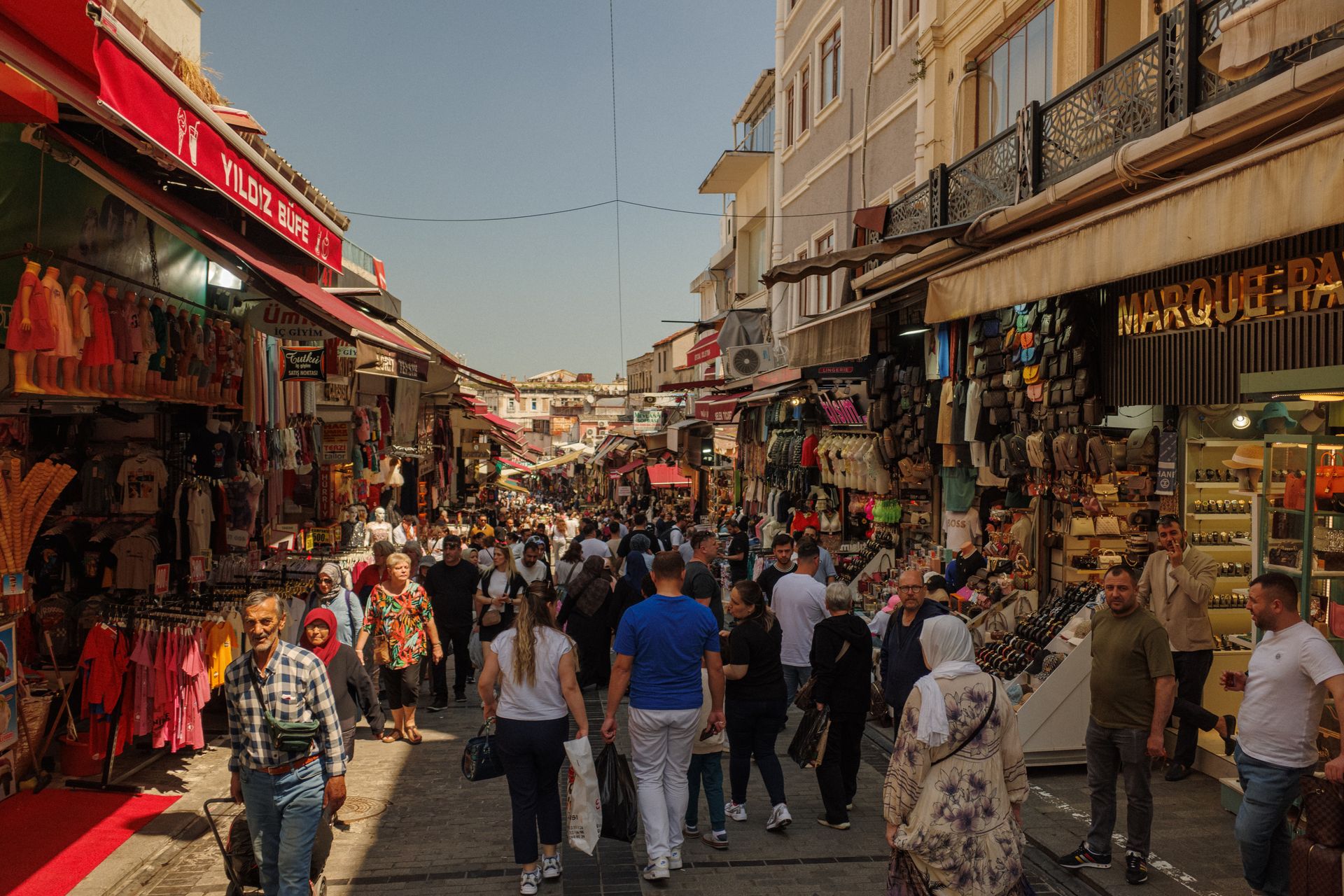
The tea-house invitation in Istanbul, Cairo, and Marrakech starts with an apparently genuine, educated local and extended interesting conversation, ending in a $50-200 bill for a few cups of tea at a venue with security ensuring settlement — decline unsolicited invitations to unfamiliar venues regardless of how genuine the person seems. The fake plainclothes police officer demanding a wallet "counterfeit check" is a well-documented scam in Prague, Budapest, Barcelona, and Bogotá; legitimate officers don't demand street wallet inspections, and offering to accompany them to the nearest police station reliably ends the interaction if it's a scam.
Accommodation and Restaurant Scams
Drivers who claim your booked hotel is "closed" or "fully booked" and redirect you to a commission-paying alternative should be dismissed immediately — call the hotel directly using the number on your booking confirmation. Fake booking websites mimic legitimate platforms closely enough to collect payment for reservations that don't exist, so always verify the URL and avoid unusual payment requests like bank transfer or crypto. At restaurants, check prices before being seated, since the menu displayed outside sometimes differs from the one presented once you're settled in.
More Street Scams to Recognize
The "found" gold ring — actually brass, "discovered" on the ground beside you — leads to a payment demand for the finder's generosity; simply keep walking. Costumed photo-op characters at famous landmarks often demand $20-50 after a photo is taken, so always ask "how much?" before the camera comes out. The gem or handicraft "investment" pitch — a friendly local claiming certain goods resell for 3-10x back home — is always fabricated, regardless of how convincing the certificates look.
Digital-Era Scams
Fake WiFi hotspots with plausible names intercept unencrypted traffic — a VPN on any public network, or simply using mobile data instead, closes this gap. SIM swap attacks, where an attacker transfers your number to a new SIM to intercept SMS two-factor codes, are defeated by using authenticator apps instead of SMS wherever possible and placing a carrier lock PIN on your account before travel.
Building Anti-Scam Habits
Research approximate taxi fares, meal costs, and attraction entry fees before arriving in any new city — price intelligence is the most powerful protection against overcharging of every kind. Any unsolicited approach in a tourist area warrants a half-second assessment before engagement, not paranoia but rational calibration. For any paid transaction with an informal vendor, agree the price aloud and in advance, and keep every receipt.
If You Do Get Scammed
Cancel and replace any compromised card immediately by calling your bank's emergency line, and pursue a credit card chargeback for fraudulent purchases where possible. File a police report even if recovery seems unlikely — tourist police units in major cities are often faster to act on these reports, and the report itself supports any later insurance claim. For serious incidents, contact your embassy or consulate.
Final Thoughts
The scam rate in any destination is low; the rate of genuine hospitality and curiosity is high. Apply the unsolicited-help protocol, know approximate local prices, and practice the confident no — while remaining genuinely open to the organic human interaction that most encounters actually represent.