Tea is the world's most consumed beverage after water, and its specific ritual forms reveal something essential about the cultures that developed them. The Japanese tea ceremony's choreographed silence is a complete philosophical system; the Moroccan mint tea's three-glass ritual is a specific communication about the relationship between host and guest. This guide covers the destinations where tea's cultural depth is most directly accessible to travelers.
Tea is not merely a beverage. It is a civilizational practice whose specific ritual forms reveal something essential about the cultures that developed them.
China: The Origin
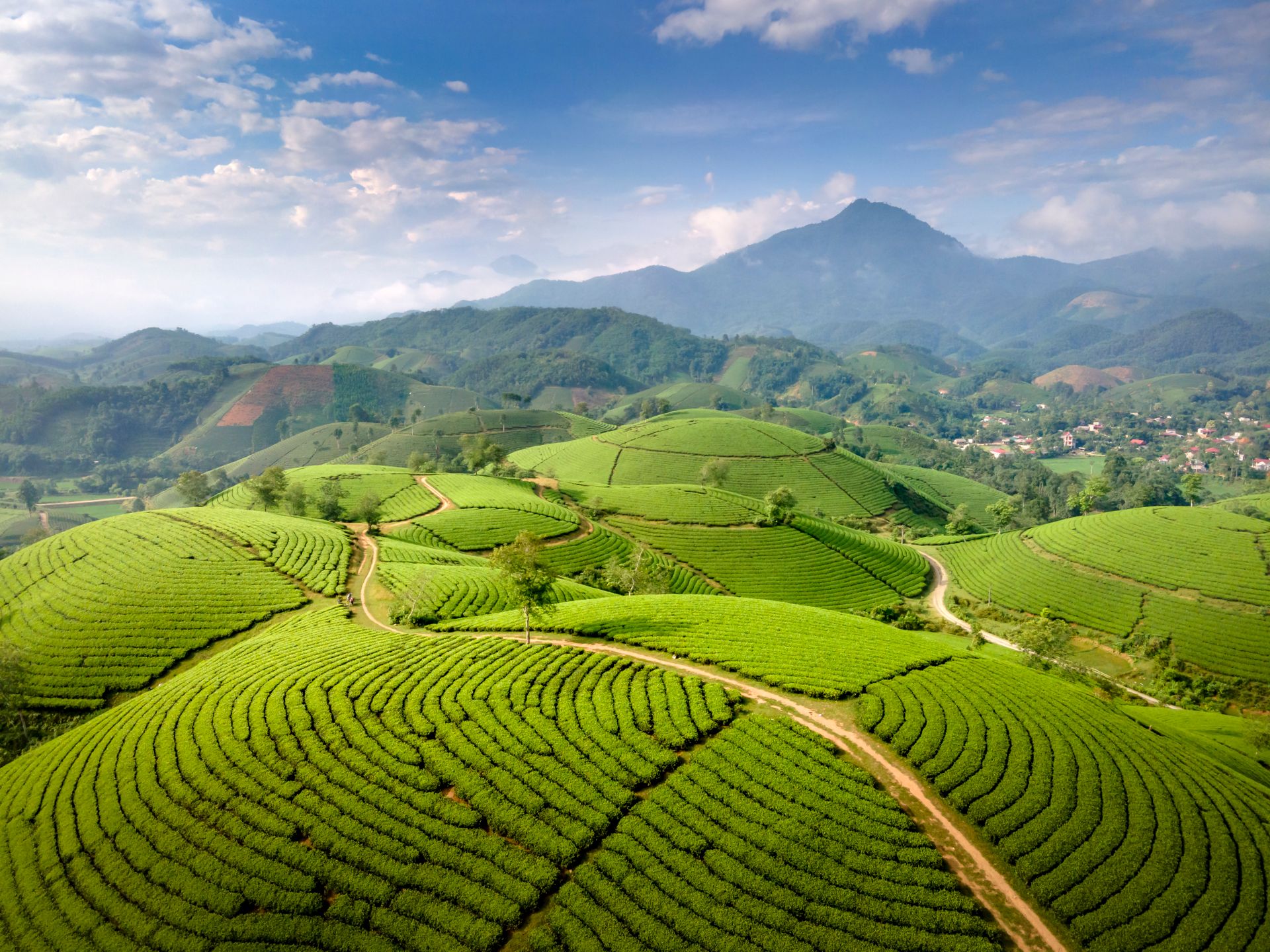
Tea's 5,000-year history in China produced its most refined expressions in Hangzhou, home to Longjing (Dragon Well) green tea, hand-fried in woks along West Lake's terraced hillsides, and in Yunnan, where pu-erh tea ferments and ages in compressed cakes for decades, its value appreciating like fine wine. Fujian's oolong tradition, particularly the rock teas (yancha) grown in the Wuyi Mountains' mineral-rich cliffs, produces some of the most complex flavor profiles in the entire tea world. Fujian's coastal gardens also produce two of the world's most delicate teas: Fuding's hand-plucked Silver Needle white tea, and Anxi County's orchid-scented Tie Guan Yin oolong, rolled into its distinctive tight green pellets.
Japan: Ceremony as Philosophy
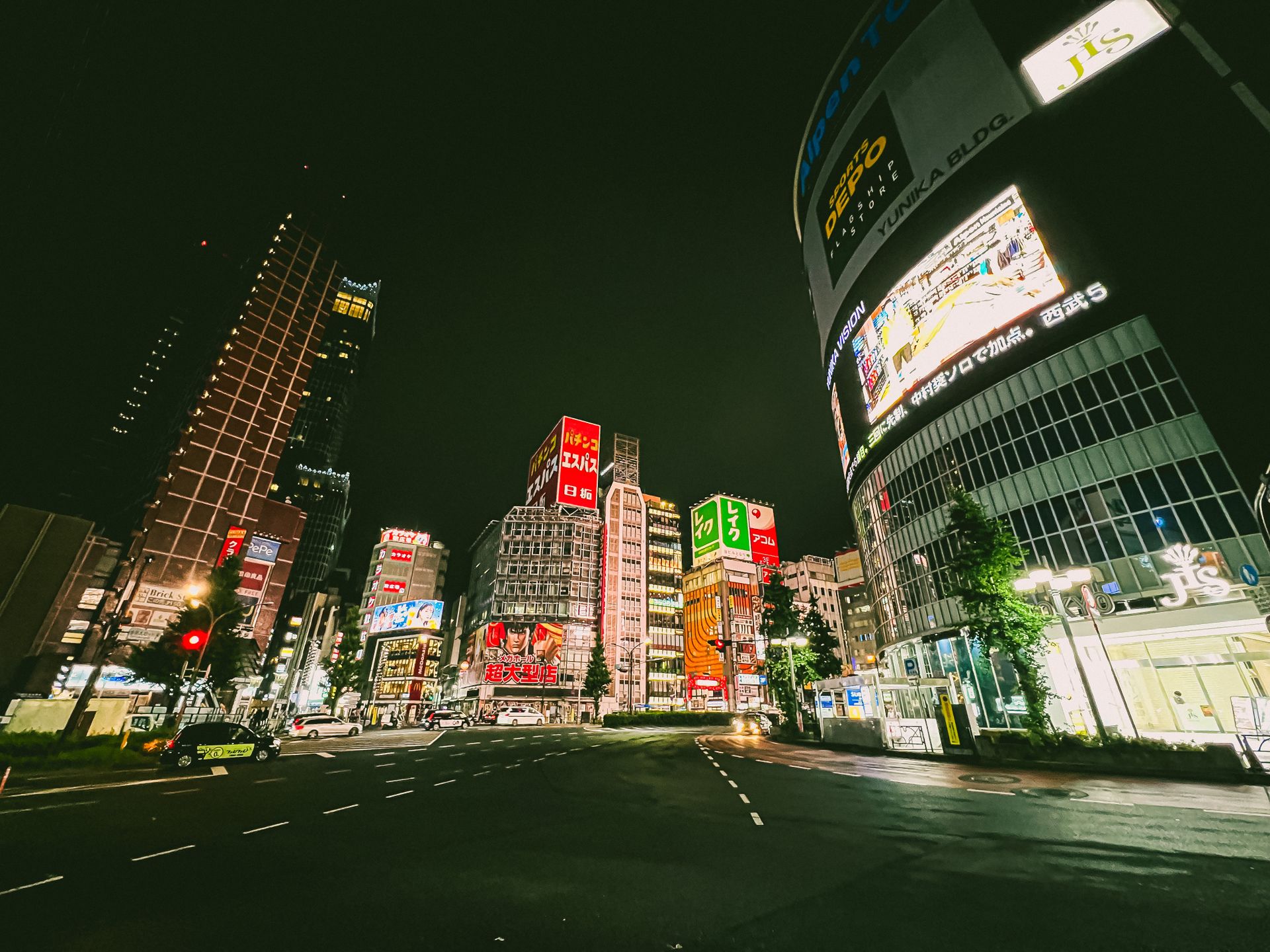
The Japanese tea ceremony (chanoyu) — a choreographed sequence of specific gestures developed over centuries by masters including Sen no Rikyū — addresses harmony, respect, purity, and tranquility through the preparation of a bowl of whisked matcha. Uji, near Kyoto, is Japan's most historic matcha-growing region; a ceremony experienced there, in a traditional teahouse garden, is as close as most travelers will get to the practice's original context. Shizuoka Prefecture, visible from the Tokyo–Osaka Shinkansen as a swath of terraced green against Mount Fuji, produces roughly 40% of Japan's tea and pioneered deep-steamed fukamushi-cha; Tokyo, meanwhile, offers the world's most sophisticated tea retail culture, from the centuries-old Ippodo tea house to the department-store depachika tea halls stocking regional specialties from across Japan.
Taiwan and Georgia: Frontier Tea Cultures
Taiwan's high-mountain oolongs, grown at 1,000–2,600 meters on the island's central range and hand-rolled into tight pellets that unfurl through multiple infusions, are treated by specialty tea circles as among the finest teas produced anywhere; Taipei's Maokong district, reached by cable car above the city, concentrates tea houses serving the local harvest in the living daily gongfu cha tradition. The Republic of Georgia holds the world's westernmost tea-growing region, its Black Sea-facing Adjara and Guria provinces producing tea at the latitude of northern Spain — a Soviet-era industry now being reclaimed by a new generation of small-batch Georgian producers.
India and Sri Lanka: The Plantation Landscape
Darjeeling's high-altitude gardens produce the "champagne of teas" — a specific muscatel character that no other tea region replicates, best experienced with a stay at a working tea estate during the first-flush harvest (March–April). Assam's lowland gardens produce the malty, full-bodied black tea that anchors most English breakfast blends. Sri Lanka's central highlands around Nuwara Eliya and Ella offer some of the most visually spectacular tea landscapes on earth, with plantation tours and factory visits widely accessible by train.
Britain and Morocco: Tea as Social Ritual
British afternoon tea — sandwiches, scones, and silver service — is a specific expression of class and leisure developed during the empire's most confident decades; London's grand hotels (Claridge's, The Ritz) still perform the ritual with genuine ceremony. Moroccan mint tea, poured from height to create the characteristic froth and served in three rounds (bitter as death, sweet as life, gentle as love), is the essential accompaniment to every social and commercial interaction in a Moroccan riad or souk.
Final Thoughts
The tea in the cup is never merely the beverage — it is the specific cultural framework that centuries of ritual have built around a single plant. Seek out the ceremony, not just the drink.