This guide gives the honest numbers — coffee at CHF 6, a Zurich-Interlaken train at CHF 68 — alongside the specific strategies that make Switzerland manageable for budget-conscious travelers without sacrificing the experiences that make it worth the cost.
Switzerland's expense is real. It is also manageable, contextual, and for the right traveler at the right moment, completely justified.
Why It Costs What It Costs
Switzerland has the highest wages in the world, and when labor is expensive, everything labor-intensive becomes expensive — the coffee a barista makes, the hotel room staff clean, the meal a cook prepares. The strong Swiss franc amplifies these already-high prices for visitors from Euro or Dollar economies, while the Alps make large-scale agriculture difficult, adding supply chain costs to nearly every food item. In return, Swiss public transport and mountain infrastructure represent investment of extraordinary scale, funded partly by the very ticket prices visitors pay.
The Real Numbers
A café crème costs CHF 4-6 in most cities, CHF 5-7 in Zurich and Geneva. A hostel dorm bed runs CHF 35-55; a comfortable 3-star double CHF 150-280. Zurich to Interlaken by train costs CHF 68 one-way at standard fare; Jungfraujoch's cable car and cog railway round trip runs approximately CHF 180. The Tagesmenü — a two-course lunch special served everywhere between noon and 2pm — costs CHF 18-28, a fraction of the evening à la carte equivalent.
The Swiss Travel Pass
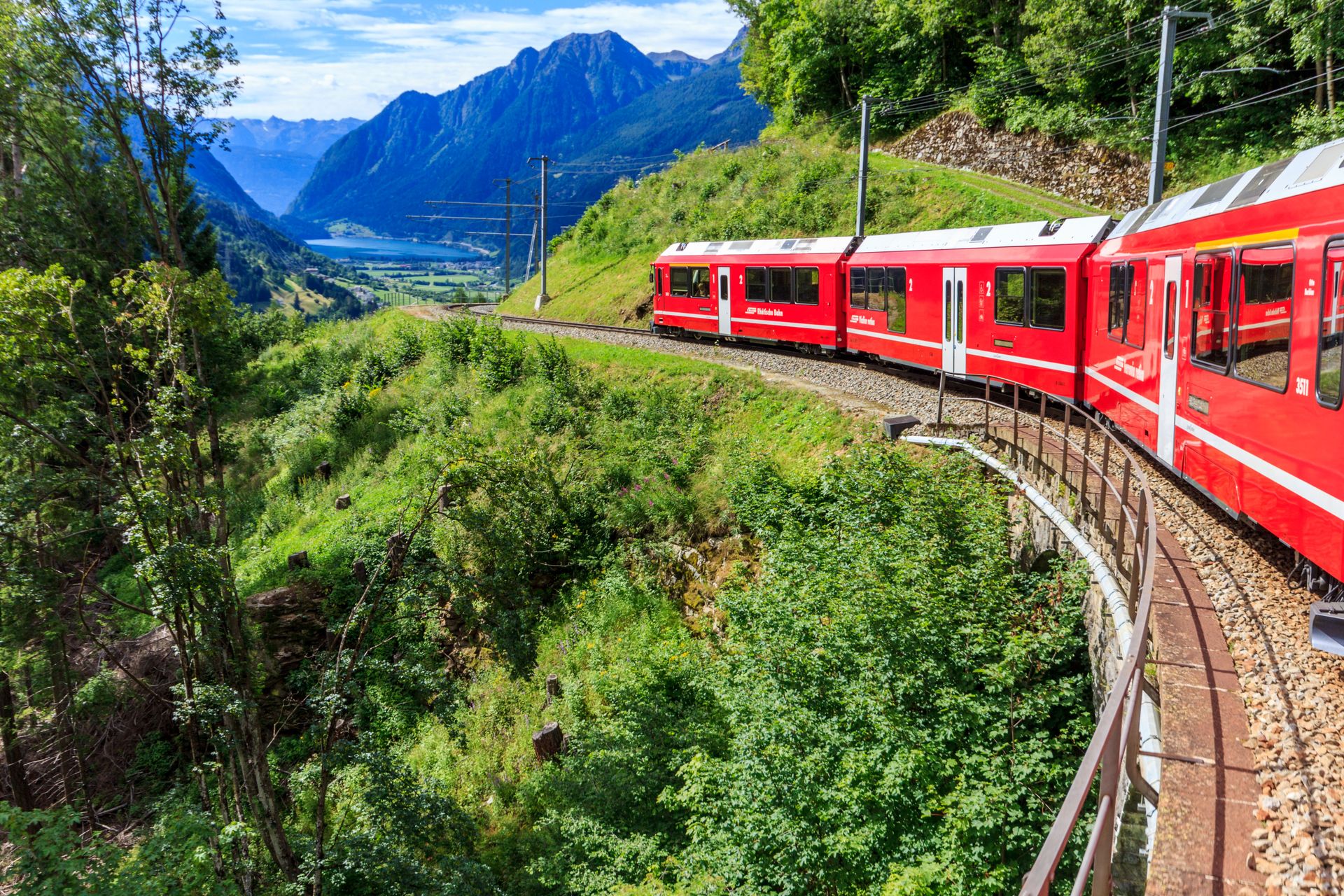
This is the single most impactful financial decision for most visitors — unlimited travel on trains, PostBuses, lake boats, and urban transport in 90+ cities, plus free entry to 500+ museums. A 4-day pass at CHF 287 typically pays for itself against individual point-to-point train tickets alone, before counting the included museum entries and urban transport. For travelers covering more than one region across four or more days, the arithmetic is usually decisive in the pass's favor.
Where to Save
Self-cater breakfast and lunch from Migros or Coop supermarkets — a self-assembled meal of bread, cheese, and charcuterie costs CHF 8-12 versus CHF 20-30 at a café. Eat your main restaurant meal at the lunchtime Tagesmenü rather than dinner, cutting the cost by 40-50%. Switzerland's 65,000 kilometers of hiking trails, its public lake swimming, and views of the Matterhorn from the valley floor are all free — for every CHF 180 cable car experience, there's a CHF 0 view that's roughly 85% as impressive and considerably less crowded.
Choosing the Right Season and Region
May-June and October are genuinely overlooked shoulder seasons, with accommodation 20-40% cheaper and crowds thinner while the scenery remains spectacular. Bern is meaningfully cheaper than Zurich and Geneva while offering equivalent medieval charm; Ticino's Italian-speaking south runs slightly below the German-Swiss average, with Como across the Italian border offering a dramatic price reduction for a day trip.
Final Thoughts
The traveler who uses the Swiss Travel Pass, self-caters, and hikes extensively can experience Switzerland with genuine depth for CHF 150-200 per day — comparable to a mid-range Italy or France trip. Come prepared. Switzerland will be expensive. It will also be extraordinary.