This guide covers the country-by-country cost breakdown, the accommodation and food strategies, and the transport decisions that make $30 a day not just possible but genuinely exceptional across Thailand, Vietnam, Cambodia, Laos, Indonesia, and the Philippines.
The traveler who eats at the stall, sleeps in the family guesthouse, and rides the local bus will have a better trip than many who arrive with $200 a day and less preparation.
Where $30 Goes Furthest
Vietnam is the region's sweet spot — private guesthouse rooms from $8-14, street food meals from $1-4, making $30 feel like relative luxury in Hanoi and Ho Chi Minh City. Cambodia and Laos are comparably generous outside peak-season Siem Reap, where the Angkor multi-day pass ($62 for three days) becomes the day's dominant expense. Thailand's islands are the hardest stretch for the budget — Koh Tao, Koh Lanta, and Koh Chang remain comfortable, while Koh Samui and Koh Phi Phi push past it.
Sleeping Well for $8-18
Family-run guesthouses are the cornerstone of the budget — not hostels, but small owner-operated properties offering a private room, air conditioning, hot water, and WiFi at prices that dramatically undercut international chains. Filter Agoda and Booking.com by recent reviews for cleanliness, WiFi reliability, and staff helpfulness rather than price alone. Overnight buses, trains, and ferries simultaneously eliminate a night's accommodation cost and cover the intercity journey — Vietnam's soft-sleeper trains are the regional gold standard at $18-30.
Eating Extraordinarily Well for $6-12
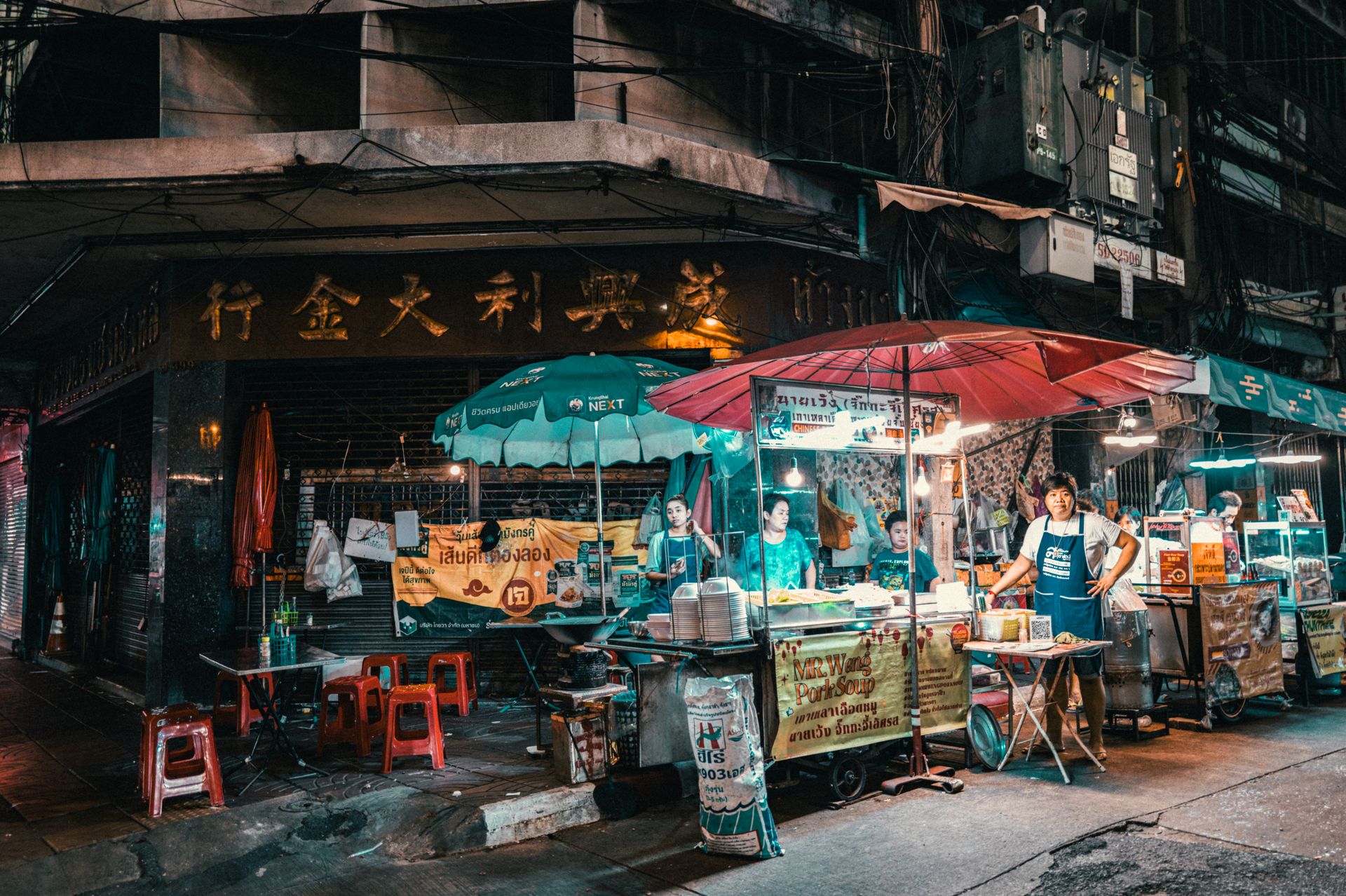
Street food is the correct budget strategy not because it's cheap but because it's often definitively better than restaurant food — a bowl of phở made by a vendor with decades of practice is a different food entirely from the tourist-restaurant version. A complete day of Vietnamese street food (phở, bánh mì, bún bò Huế) runs $4-7; a full Thai day (pad thai, som tum, khao soi) runs $5-8. Walk one block off the main tourist street — plastic stools and handwritten menus signal local prices three to five times lower than the English-menu restaurant next door.
Moving Around Cheaply
Local buses cost a fraction of tourist minivans covering identical routes — a Chiang Mai to Pai local bus runs $2.40 versus $5-7 for the equivalent tourist service. Grab replaces taxi negotiation and overcharging across most of the region with transparent metered pricing. For longer overland stretches (8+ hours), budget airlines like AirAsia and Vietjet occasionally undercut buses once baggage fees are factored — carry-on-only packing is specifically economically rational in this environment.
Visa Costs and Border Crossings
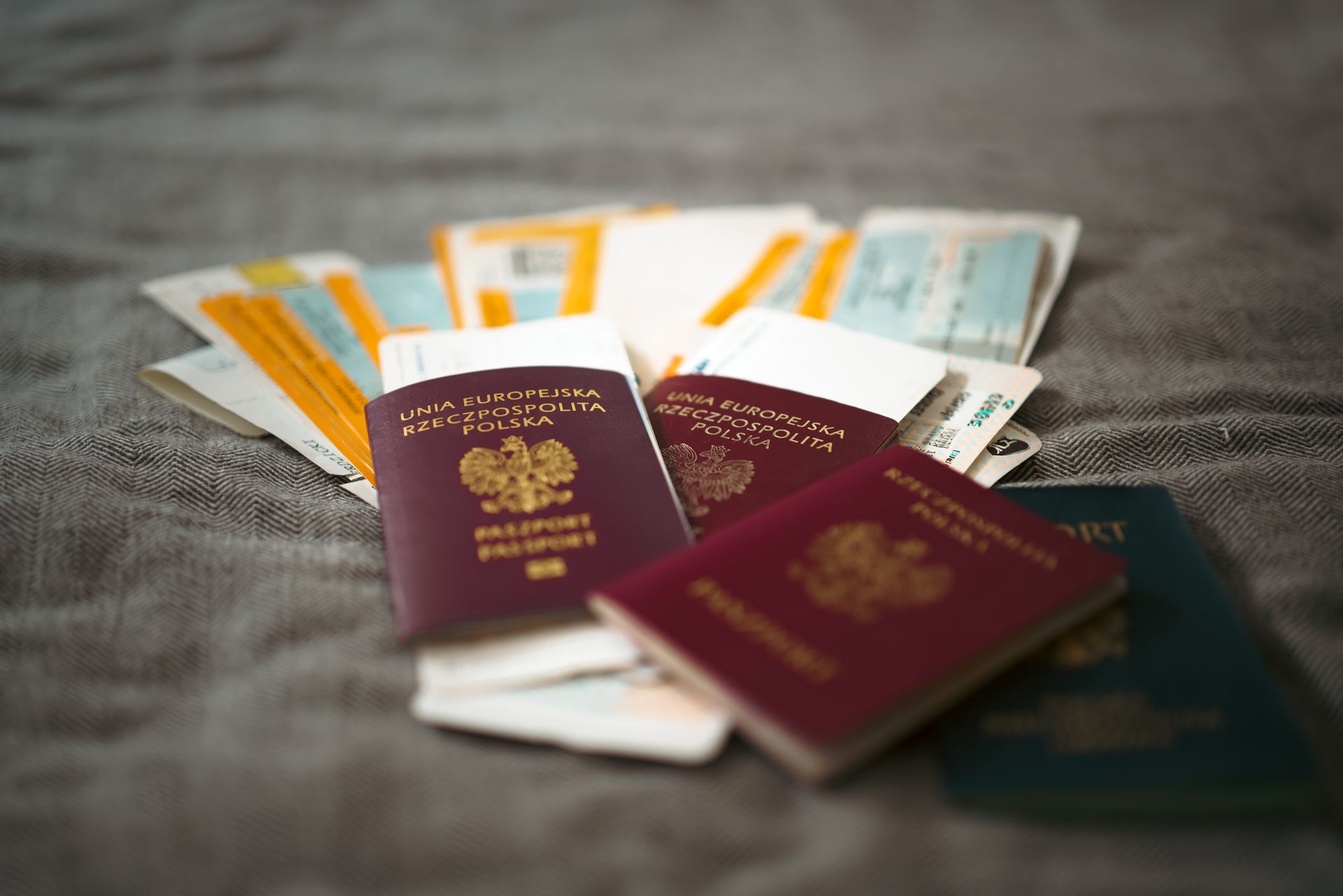
Build visa fees into the overall budget: Vietnam's e-visa runs $25, Cambodia's visa on arrival $30, Indonesia's $35. On a 60-day, four-country trip these add roughly $1.70-2 per day to the effective budget. Use official border crossings rather than paying agency fees for a process that's straightforward and free beyond the visa cost itself, and carry US dollars in cash — most land borders accept USD at better rates than local currency.
Indonesia and the Philippines on Budget
Outside Bali's developed tourist strip, Indonesia is exceptionally generous — Yogyakarta in Java pairs $8-14 guesthouses with access to Borobudur and Prambanan (the two major paid expenses at $25 entry each), while Lombok and its Gili Islands offer similar rice-terrace and beach scenery to Bali at 40-60% of the price. Flores and the Komodo National Park push the budget higher with liveaboard boat trips ($20-40 per day) but reward it with Komodo dragons in their native habitat. The Philippines is more logistically demanding — inter-island ferries and flights are the main cost driver — but Palawan's El Nido and Coron and the surf island of Siargao deliver some of the region's most spectacular scenery for $25-45 a day with discipline.
Final Thoughts
The temples of Angkor at dawn cost the same $62 pass whether that night's accommodation is $15 or $150. Southeast Asia rewards the traveler who engages directly — eats at the stall, sleeps in the family guesthouse, learns three words of the language. $30 is sufficient for all of it.