This guide covers the financial architecture of slow travel — long-term accommodation negotiation, monthly budgets by destination — plus the daily practice of local routine, language learning, and market cooking that makes extended stays genuinely transformative.
The world is not a list to be completed but a texture to be inhabited.
The Financial Case for Slowing Down
Accommodation pricing follows a steep discount curve rather than a linear one — a $50/night room often runs $28/night monthly, a 44% discount, and direct negotiation with guesthouse owners (bypassing platform commissions entirely) frequently produces another 30-50% below any listed rate. Transport costs collapse when movement between destinations slows — two flights instead of six across a 90-day trip can save $1,500-3,000. Cooking in a rented kitchen from local market ingredients cuts food spend by 40-60% while providing a richer cultural encounter than any restaurant visit.
Monthly Budgets by Destination
Chiang Mai runs $720-1,150/month all-in; Lisbon €1,400-2,200; Medellín $900-1,500; Tbilisi $600-1,000; Hội An $600-900; Mexico City's Roma Norte $1,200-1,800; Budapest €900-1,400. These figures assume a monthly apartment rental, a local-market-and-occasional-restaurant food mix, local transport, and a modest activities budget — genuinely livable ranges that a two-week nightly-hotel trip cannot approach.
Establishing a Local Routine
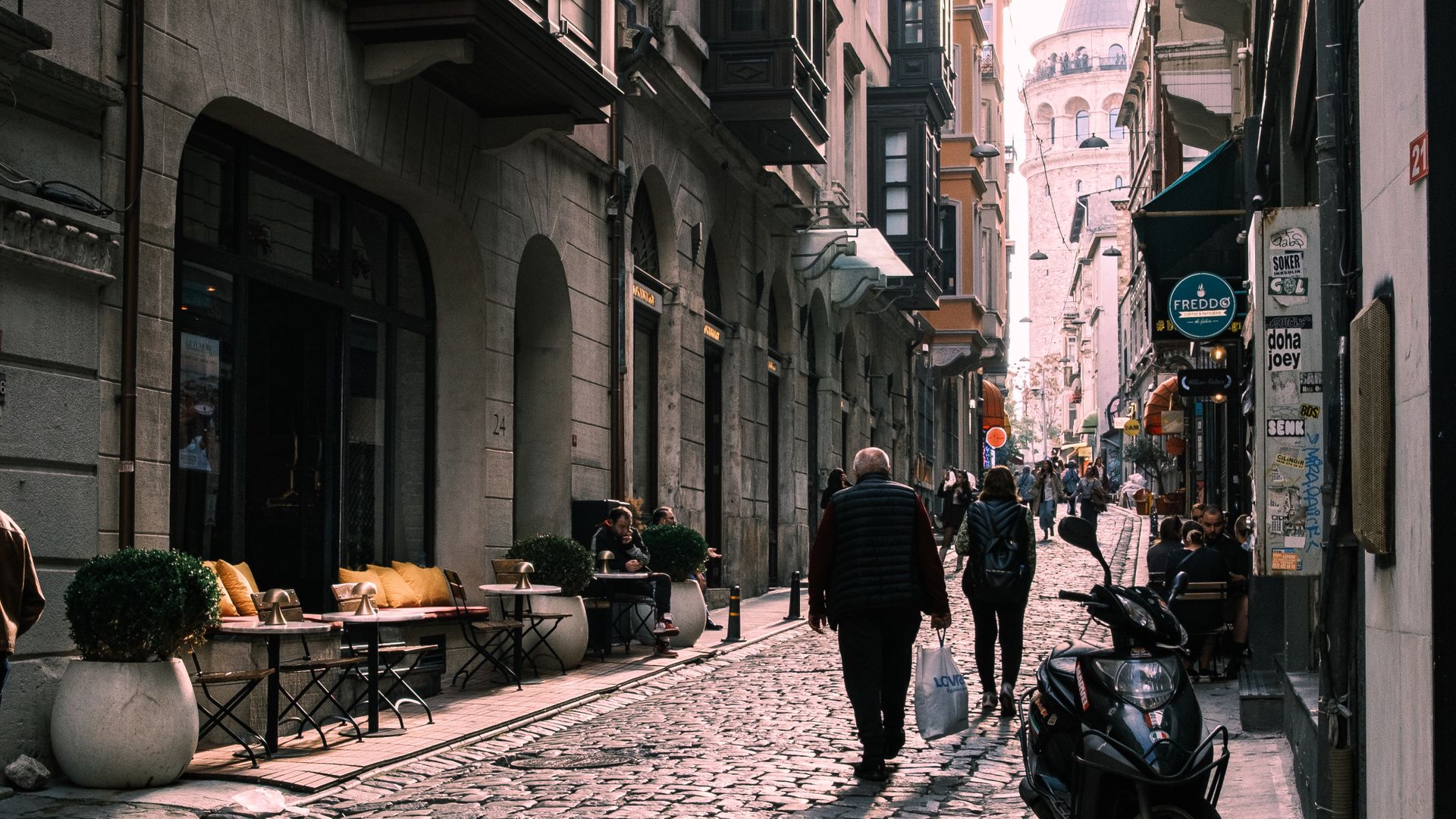
The single most distinguishing slow travel practice is choosing the same café, market stall, and neighborhood restaurant repeatedly rather than constantly seeking new ones — the counterintuitive commitment that produces the vendor relationships and casual familiarity no itinerary can plan for. One hour of daily language practice for the first two weeks of a longer stay routinely shifts interactions from professionally pleasant to genuinely warm by week three, even at a basic vocabulary level.
Best Slow Travel Destinations
Hội An, Vietnam is perfectly scaled — a bicycle covers the entire old town, rice paddies, and beach, with monthly rentals at $200-400. Porto, Portugal rewards slow travel because its neighborhoods reveal themselves gradually, at roughly two-thirds Lisbon's cost. Plovdiv, Bulgaria offers 6,000 years of continuous habitation at the lowest cost of living of any EU slow-travel destination. Oaxaca and Medellín round out the strongest picks in the Americas, the former for its food-culture depth, the latter for its innovative metro-and-cable-car system connecting every socioeconomic layer of the city.
The Mindset Shift
Resist the urge to move at the two-week mark — experienced slow travelers almost universally describe this as precisely the moment a destination begins to open genuinely, once routine is established and faces are familiar. Book a minimum three-week stay before arrival to prevent the easy departure the urge would otherwise produce, and treat an unscheduled afternoon as slow travel's most fertile ground rather than wasted time.
Transport, Connection, and Getting Around
Local buses, metros, and monthly transport passes put you among residents rather than tourists, and cost a fraction of taxis — the Lisbon metro card runs about €40/month. Cycling is slow travel's best-matched transport mode, cheap and physically revealing of neighborhood life at a pace motorized transport misses. Overnight trains and buses double as transport and accommodation on travel days. Attend a Couchsurfing meetup or digital nomad gathering within your first week in any new destination — the isolation of skipping it costs far more than the social effort of showing up.
Planning Your First Slow Travel Trip
Pick a first destination with the same criteria as a first solo trip — strong language accessibility, solid traveler infrastructure, manageable safety — calibrated to a budget you can actually sustain for the full stay. Commit to a minimum of three weeks in one place; four to six weeks is the sweet spot for a first attempt at the lifestyle. Calculate a realistic monthly budget, add a 20% contingency, and make sure remote income or savings can cover the whole trip without a forced early return.
Final Thoughts
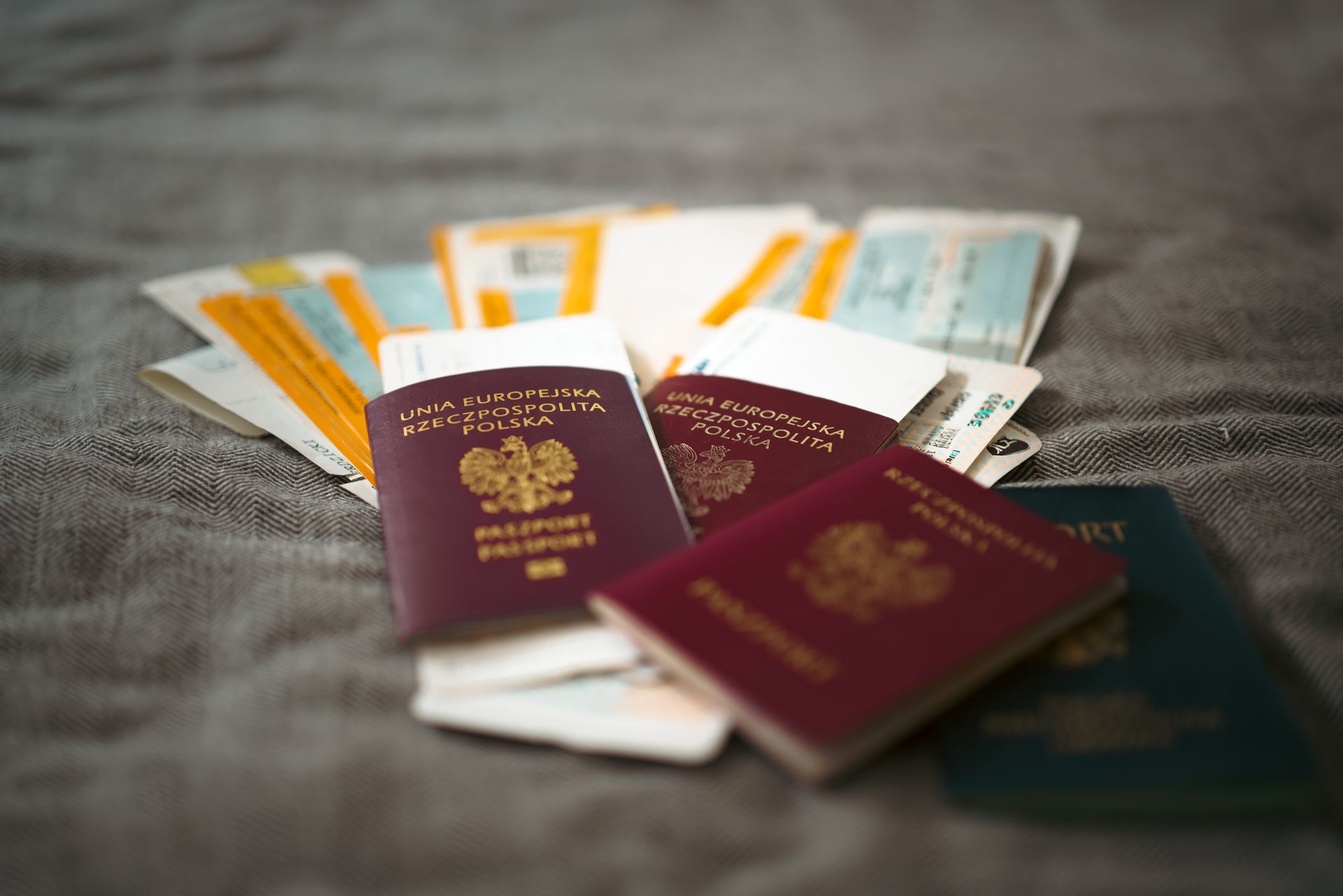
The slow traveler who has spent three months in a single city knows the baker's name and the market's seasonal produce — something no amount of passport stamps can provide. Stay longer. Spend less. Know more.