Multi-generational travel — grandparents, parents, and children traveling together — is one of the fastest-growing travel segments. This guide covers destination selection, accommodation strategy, building an itinerary everyone enjoys, and the budget and communication frameworks that separate a trip that bonds a family from one that fractures it.
The window for these trips — when grandparents are healthy enough to travel and grandchildren young enough to be shaped by it — is shorter than it seems.
Choosing a Destination for All Ages
A workable destination satisfies five criteria at once: physical accessibility for the least mobile traveler, genuine engagement for the youngest, meaningful depth for teens and adults, adequate medical infrastructure, and a pace everyone can sustain. Beach resorts with nearby cultural sites are the workhorses of multi-gen travel — the beach itself is universally accessible while nearby towns provide deeper engagement. Cruises are structurally built for this trip type, with dedicated programming for every age group under one roof; national parks and cities with world-class family attractions (London, Tokyo, Singapore, Amsterdam) round out the strongest options.
Accommodation That Actually Works
For groups of six or more, a private villa with a shared kitchen beats hotel rooms almost every time — group meals become the trip's social core, and the per-person cost is typically lower. For urban trips, interconnecting hotel suites (grandparents in one wing, parents and kids in another) preserve communal space while giving each generation genuine privacy. Prioritize ground-floor or elevator access and pools with shallow entry for both grandparents and young children.
Structuring the Days
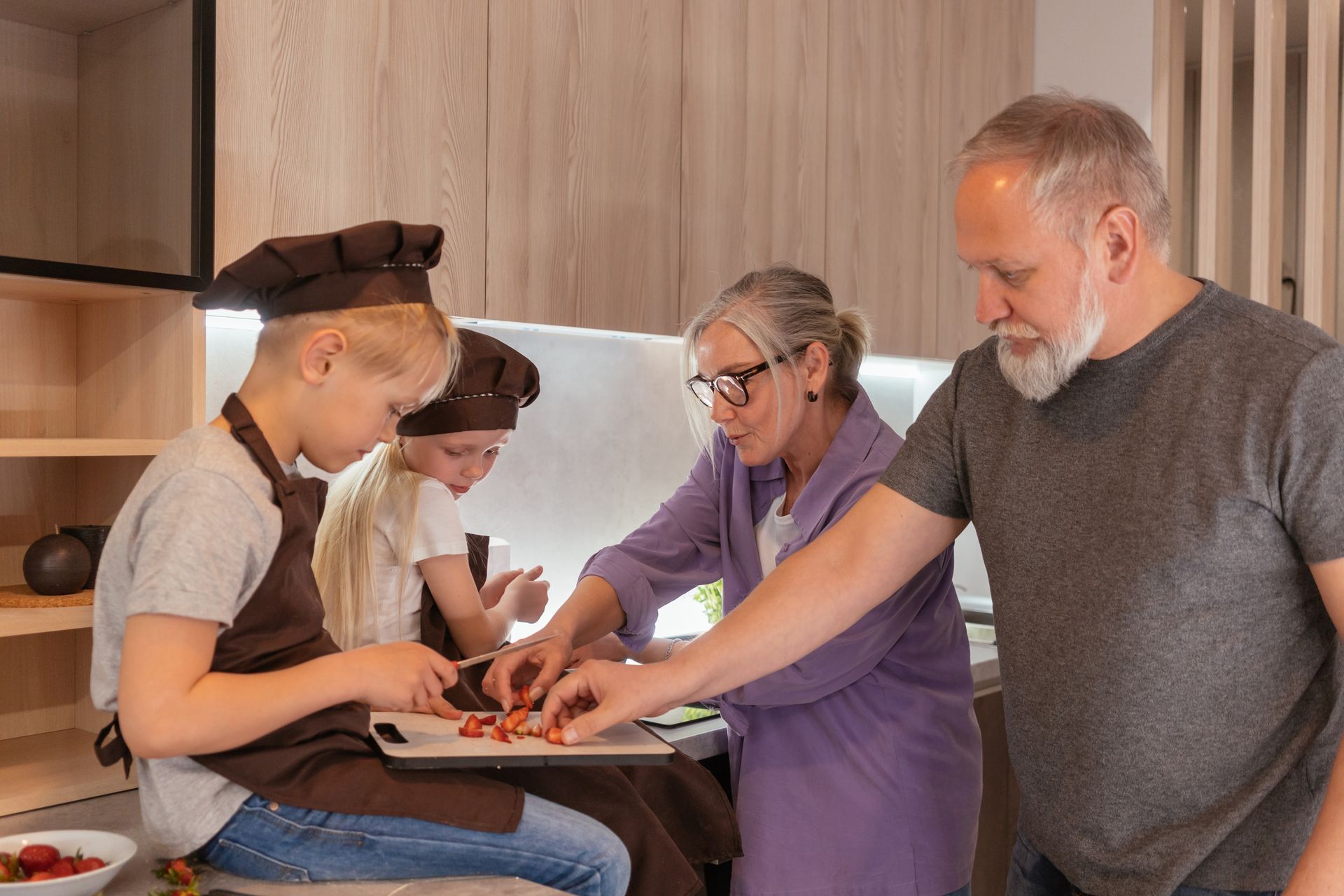
A reliable daily rhythm avoids constant negotiation: a shared morning activity paced for the least mobile traveler, a protected group lunch, a split afternoon (grandparents rest, young children nap or play, teens get independent time), and a reunion dinner. Build in one fully unstructured rest day for every three activity days — families consistently rate these among the best days of the trip in retrospect. Cooking classes, food markets, wildlife encounters, and cultural performances all deliver genuine engagement across every age simultaneously, while age-specific blocks (water play for young children, moderate adventure for tweens, genuine autonomy for teens) fill the rest.
Health, Budget, and Communication
Every family member with a significant health condition needs a pre-trip physician consultation, and travel insurance must explicitly confirm pre-existing condition coverage and at least $250,000 in medical evacuation for anyone over 65. Establish the budget framework — who funds what — before any booking happens; a shared trip account for common costs (Splitwise or a simple spreadsheet) prevents the ambiguity that generates resentment. A single trip coordinator managing logistics, and a pre-departure conversation about pace and decision-making, prevent most mid-trip friction.
Best Destinations
Italy's Tuscany-and-Amalfi combination pairs a shared villa base with variable-intensity cultural programming and universally loved food. Japan's Tokyo-Kyoto circuit offers extraordinary public infrastructure and accessibility standards that make traveling with both toddlers and grandparents meaningfully less stressful. Costa Rica delivers accessible wildlife alongside beach time across every difficulty level; Portugal's Lisbon-Algarve-Douro circuit matches Italy's depth at lower cost. Singapore combines universal accessibility and world-class medical infrastructure with food and attractions (Gardens by the Bay, Sentosa, the zoo) that genuinely serve every generation, while New Zealand's South Island lets the scenery itself — fjords, wildlife, dark-sky reserves — do the entertaining without requiring anyone to hike.
Final Thoughts
The grandfather teaching a grandchild to fish in a Scottish loch, three generations eating homemade pasta at a Tuscan villa table as the sun goes down — these moments are the product of deliberate planning, not accident. Start planning now.