This guide gives the honest, experience-based safety assessment Morocco deserves — covering which risks are real, which are overstated, how safety varies by city, and the specific strategies that solo travelers of every gender use to navigate the country successfully.
Morocco requires more preparation than destinations where the safety picture is more uniformly benign. It rewards that preparation with an intensity of experience the safer, easier destinations simply do not offer.
The Overall Picture
Most Western governments classify Morocco as a normal-to-increased-caution destination, comparable to France or Spain, and there has been no major terrorism attack targeting tourists since 2011. The crime most relevant to visitors is petty theft, concentrated in high-tourist medina areas and comparable in character to Rome or Barcelona — Morocco does not have the violent street crime of the world's genuinely dangerous destinations.
The Risks That Are Real
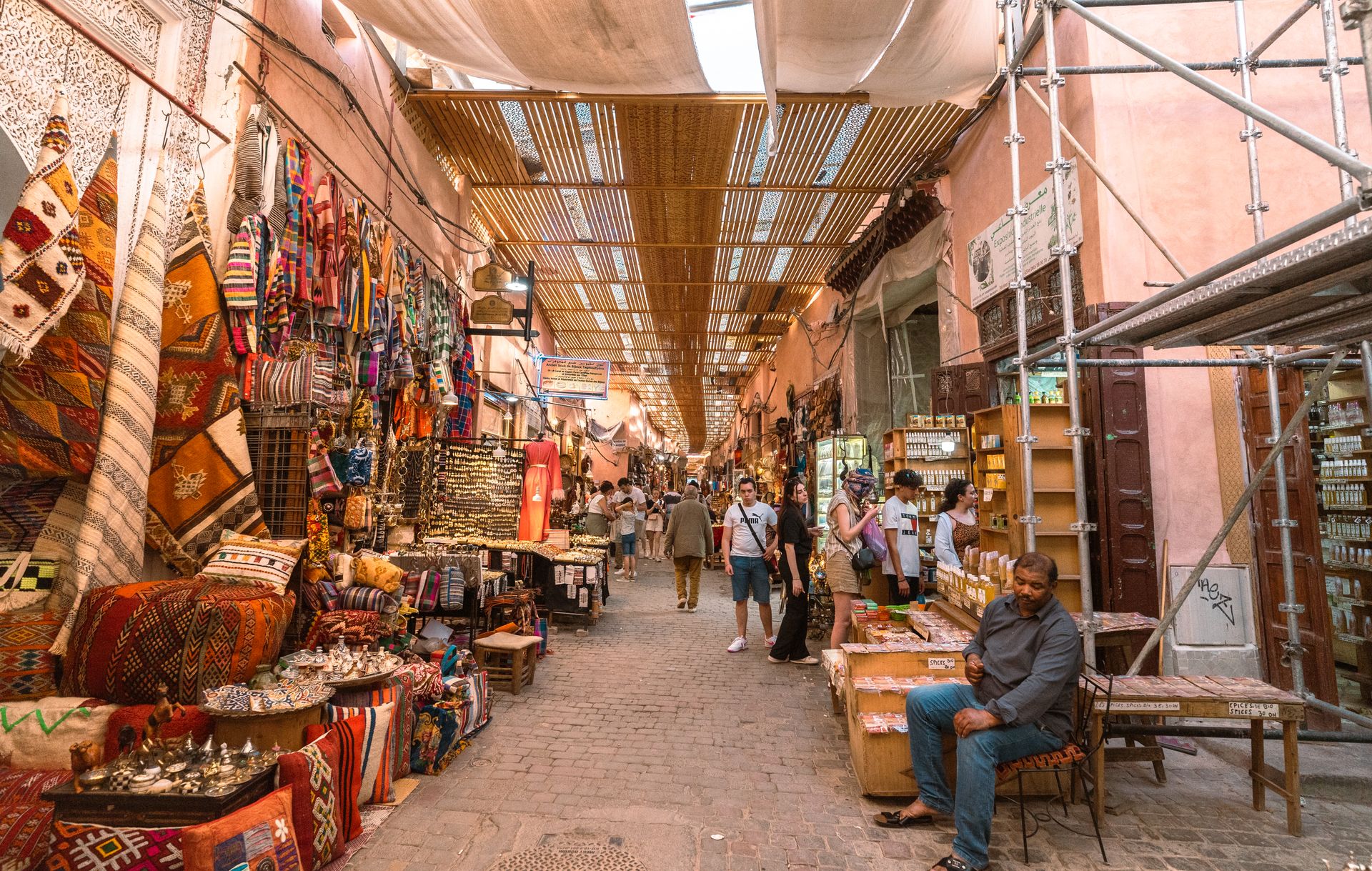
Commission-driven touts approach tourists offering directions or guide services that lead to shops paying kickbacks, and pickpocketing occurs at rates comparable to Southern Europe in crowded medinas. Harassment of solo female travelers is more prevalent than in Western Europe, concentrated in tourist medinas and manageable with specific strategies. Road safety is a genuine concern outside reputable bus companies like CTM and Supratours.
The Risks That Are Overstated
General violent crime targeting tourists is rare despite Morocco's reputation; terrorism risk is lower than in France, Germany, or the UK by most current assessments; getting lost in the medina is disorienting but not dangerous; and most scams involve overcharging rather than any threat to physical safety.
Destination-by-Destination
Marrakech's medina is the most tourist-intense environment for scams and harassment, with the quieter Gueliz new city as a good base; Fez el-Bali's complexity makes the fake-guide scam most prevalent, addressed by hiring a licensed guide for the first half-day. Chefchaouen and Essaouira are consistently rated the most relaxed and comfortable for solo travelers, including women, while rural areas and the Sahara excursion carry road-safety rather than crime concerns.
Advice for Solo Female Travelers
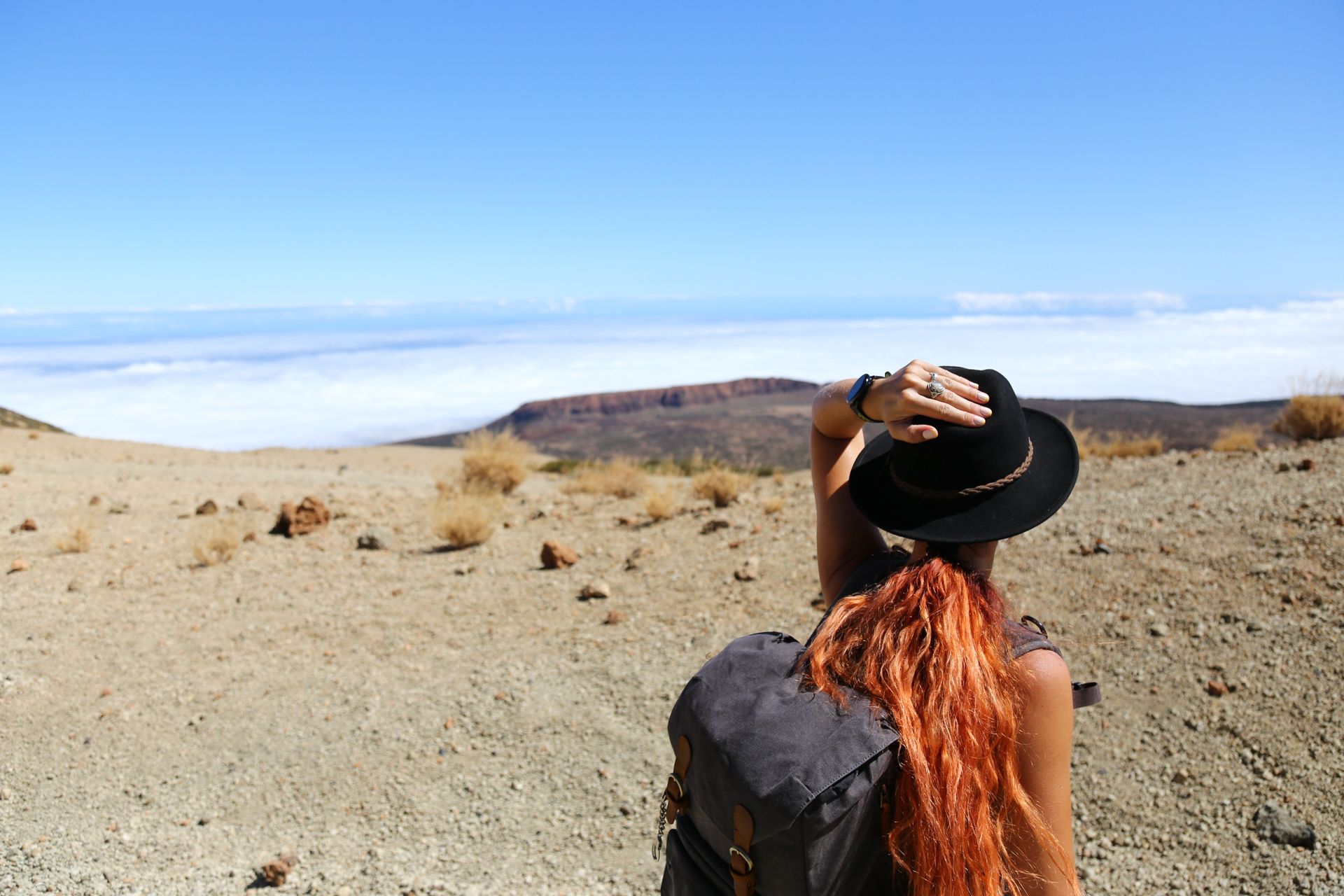
Dressing conservatively (covered shoulders and knees), moving with visible purpose and confidence, and giving a single firm "no thank you" without engagement are the most consistently effective strategies. Staying in riads within the medina rather than budget hostels on its edge provides both local knowledge and a host who notices if you don't return, and connecting with other female travelers through forums provides current, destination-specific guidance. Trust your instincts and exit any conversation or route that feels wrong rather than persisting out of politeness, and consider joining a small group tour for specific activities — the Sahara overnight, the Atlas day hike, the hammam — where solo navigation is more genuinely difficult.
Advice for Solo Male Travelers and Universal Strategies
For men, understanding the commission economy before entering a medina and giving a single firm refusal to aggressive fake guides is the key strategy. For everyone: research your accommodation route before arrival, have the address in Arabic, register with your government's travel advisory service, buy a local SIM immediately, know the emergency numbers (Police 19, Gendarmerie Royale 177, Fire and Ambulance 150), and carry small denomination dirhams separately for quick, low-friction resolution of minor demands.
Final Thoughts
The prepared traveler — dressed respectfully, moving with confidence, staying in a riad, carrying local connectivity — experiences a Morocco of extraordinary beauty rather than the worst-case forum narrative: the Djemaa el-Fna at sunset, the Sahara at dawn, and a culture that rewards genuine engagement with genuine warmth.