This guide covers Italy's relationship with time, the sacred architecture of the Italian eating day, the social geography of the piazza, and the values beneath the culture — everything that transforms a trip to Italy from a checklist into an immersion.
The Italian who spends forty minutes over a coffee and a newspaper is not wasting time — by Italian cultural logic, they are spending it correctly.
The Relationship With Time
Italy operates on a rhythm that prioritizes quality of experience over efficiency of schedule — dolce far niente, the sweetness of doing nothing, is a genuine cultural value, not a tourist slogan. This explains the shop closed for three hours at lunch, the family at the next table who's been there for three hours with no sign of leaving, and the deliberate choice to place the texture of daily life above the optimization of daily output.
The Architecture of Eating
The morning espresso ritual is specific and codified: stood at the counter, not seated, consumed in two or three sips in three to four minutes, at the same bar with the same barista every single day. Lunch (il pranzo) is the day's most culturally significant meal, and the pausa pranzo when shops and businesses pause between 1pm and 3pm is not laziness — it's lunch, taken properly. The aperitivo hour between 6pm and 8:30pm is Italy's primary social institution outside the family meal, a transitional ritual that stimulates appetite and maintains friendships in equal measure.
The Piazza and the Passeggiata
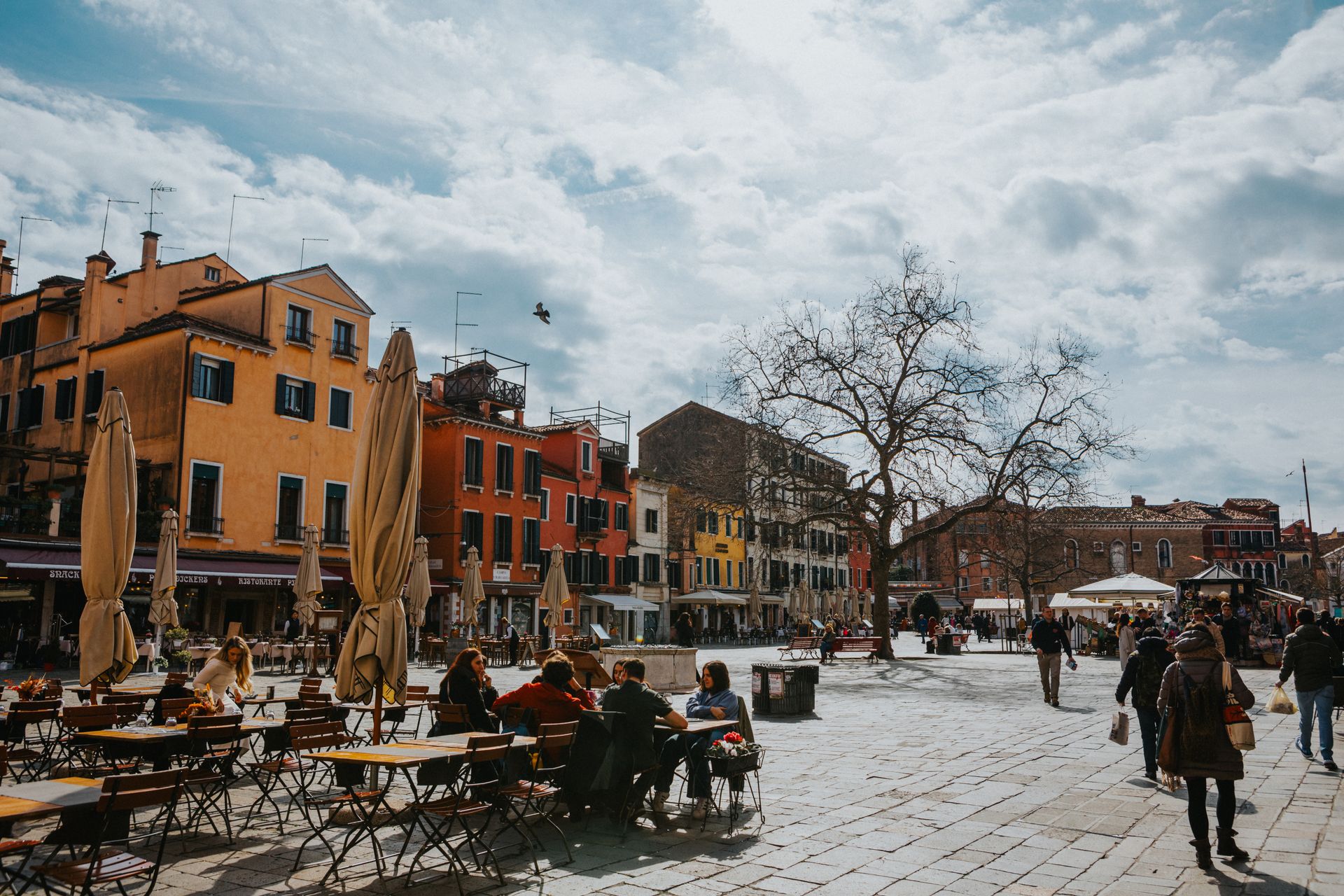
The piazza is the living room of the community — the same elderly men play cards at the same table outside the same bar every day, and it's where the passeggiata, the evening promenade taken between 6pm and 8pm, plays out: unhurried walking, greeting acquaintances, admiring children and dogs, conducting the social business of the community in the open air. It is daily life, not a performance for visitors, though visitors are entirely welcome to join.
Family and Bella Figura
The multigenerational family remains the central institution of Italian life, with the Sunday lunch as its weekly anchor, lasting several hours and transmitting recipes and values across generations. Bella figura — presenting oneself and one's life beautifully — is not vanity but a form of respect, explaining the well-ironed shirt, the flowers brought to a dinner party despite being told not to bring anything, and the shop counter polished between every customer.
Campanilismo — Loyalty to Place
Italy was unified only in 1861, and the fierce local identity that predates it — campanilismo, allegiance extending as far as you can hear your own bell tower — has never dissolved. A Bolognese is Bolognese first and Italian third; a Florentine and a Sienese still carry a rivalry from a 1260 battle. This means the best food in any Italian town is always the local food, and asking a local for their recommendations yields far more reliable guidance than any guidebook.
Quality, Craft, and Leisure as Serious Pursuits
Italians favor one excellent thing over several mediocre ones, in food as much as anything else — the DOP and DOCG classification system legally protects hundreds of regional products, from Parmigiano-Reggiano to Barolo, precisely because that specificity is considered worth defending. The same value shows up in artigianato, craft: a Florence leather workshop or a Bologna pasta maker sustaining techniques unchanged for generations, not as heritage performance but as living practice. And leisure itself is treated as a genuine component of a well-lived life rather than a reward for work — ferragosto in mid-August empties whole cities as the country migrates to the coast, shutters drawn, operating exactly as intended.
Practical Wisdom and Regional Pace
Greet shopkeepers with "buongiorno" or "buonasera" on entry — it's expected, not optional. Accept the coperto, a small per-person cover charge for bread and the table, without complaint; it's standard practice, not a tourist markup. Keep a scarf or light jacket on hand for churches, where shoulders and knees must be covered. And expect the pace itself to shift by region: the north (Milan, Turin, Bologna) runs closer to Central European efficiency, the center (Rome, Florence) preserves the long lunch while moving a bit faster than the south, and the south and Sicily hold the slowest, latest, and most traditional version of the rhythm described throughout this guide.
Final Thoughts
The traveler who comes to Italy looking for how to live finds something rare: a culture that has been thinking seriously about that question for a very long time, and has arrived at genuinely useful answers. The espresso at the counter, the long Sunday lunch, the passeggiata as the light changes — this is how Italians live. It's worth learning.