This guide compares Japan and South Korea across culture, food, cities, cost, and pace, helping you decide which suits your trip better — or how to combine both into one unforgettable itinerary.
Japan asks for patience and rewards it with depth. Korea moves faster and rewards you immediately. Neither approach is wrong.
Culture and History
Japan offers an extraordinarily well-preserved traditional culture — geisha districts in Kyoto, centuries-old shrines maintained continuously, and a national aesthetic sensibility (wabi-sabi, the beauty of imperfection) that shapes everything from architecture to food presentation. South Korea's culture feels more dynamic and contemporary — hanbok rental and palace visits in Seoul connect to tradition, but the country's global cultural export via K-pop, K-drama, and Korean beauty and fashion trends gives Korea a distinctly forward-facing cultural identity that Japan, despite its own massive pop culture influence through anime and gaming, presents differently.
Food
Japan's food culture is built around precision and specialization — a ramen shop does only ramen, a sushi counter does only sushi, each pursued to an extraordinary technical standard. Korean food is built around communal abundance — Korean barbecue and the banchan side dish tradition mean a meal arrives as a full table of shared dishes rather than a single precise plate. Both cuisines are exceptional; the difference is philosophical as much as culinary.
Cities and Pace
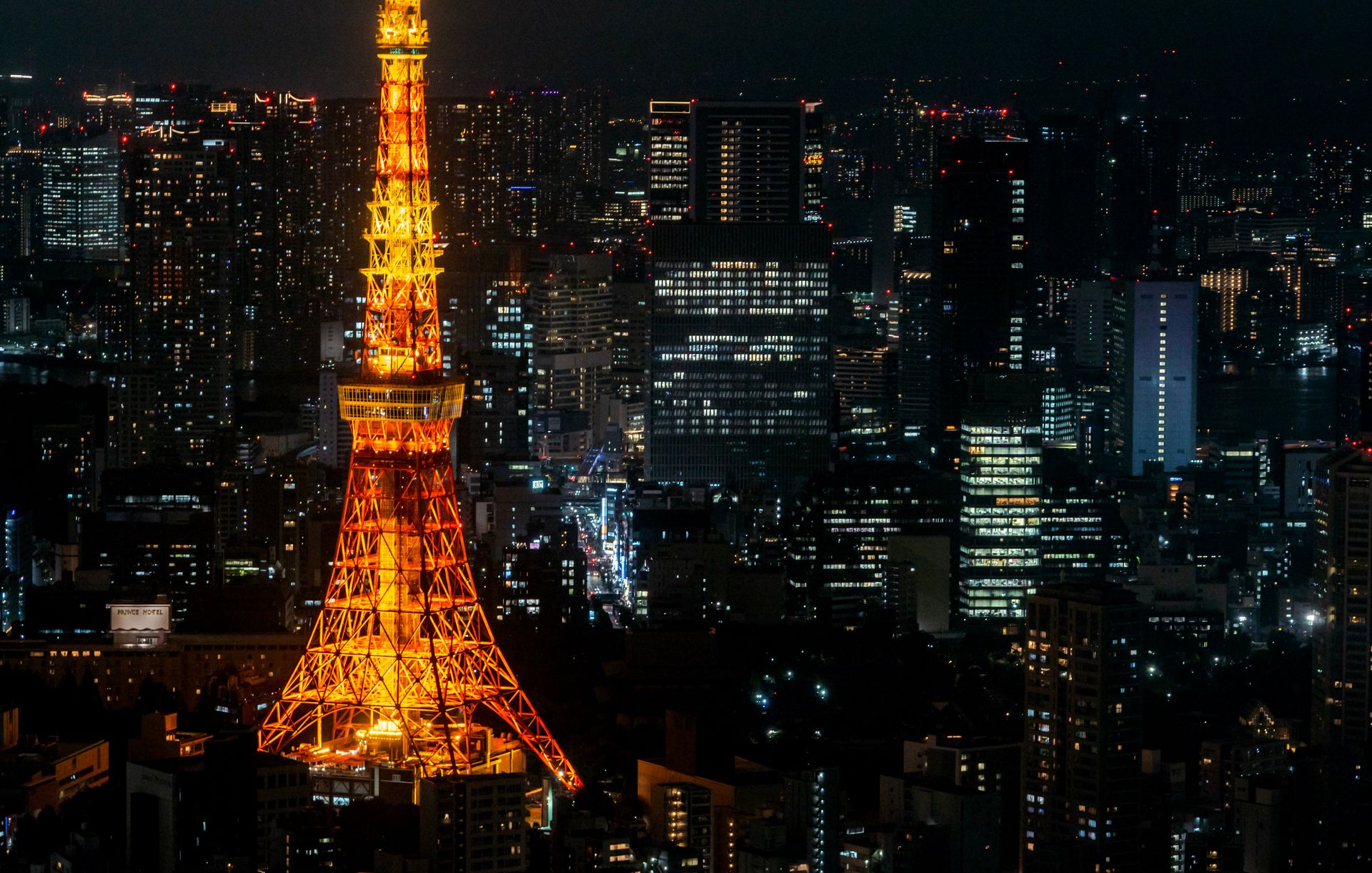
Tokyo is vast, meticulously organized, and quiet in a way that surprises first-time visitors — a city of 37 million people that somehow never feels chaotic. Seoul is faster-paced, louder, and more immediately energetic, with a 24-hour culture (Dongdaemun's night markets, jjimjilbangs open around the clock) that Japan's more restrained urban rhythm doesn't quite match. Kyoto versus Busan makes a similar contrast: Kyoto slow and contemplative among temples, Busan a beach-and-seafood city with a rougher, livelier port-city energy.
Cost and Practicalities
South Korea is generally 15-25% cheaper than Japan across accommodation, food, and transport — a comfortable mid-range daily budget runs €70-100 in Korea versus €90-130 in Japan. Both countries have excellent, easy-to-navigate public transport (Japan's JR Pass and Korea's T-money card both simplify travel considerably), and both are very safe for solo travelers, including women traveling alone.
Which Fits Your Trip
Choose Japan if deep traditional culture, refined culinary precision, and a calmer pace define your ideal trip. Choose South Korea if you want a faster, more contemporary energy, better value for money, and a culture actively exporting itself globally right now. Combining both — Tokyo and Kyoto, then a short flight to Seoul and Busan — is an increasingly popular two-week itinerary that lets you experience the contrast directly rather than choosing.
Final Thoughts
Japan and Korea share geographic proximity but diverge sharply in feel — one refined and traditional, one fast and contemporary. Neither disappoints. The right choice depends entirely on which energy you're seeking this trip.