Japan's Golden Route — Tokyo, Hakone, Kyoto, Osaka — is extraordinary but increasingly crowded. This guide covers ten destinations across Japan's 47 prefectures that rival the Golden Route in quality while remaining largely undiscovered by international travelers.
Japan reveals itself in layers, and the layers beneath the surface are consistently more extraordinary than the surface itself.
Kanazawa — The Kyoto Tourism Hasn't Reached
The former Maeda clan castle city accumulated enough wealth to rival Kyoto's artistic refinement while receiving a fraction of its visitors. Kenroku-en, one of Japan's three great landscape gardens, is finest at dawn before the gates open to the public, and the Higashi Chaya geisha district preserves Edo-period teahouse architecture in remarkable completeness. Kanazawa also produces 99% of Japan's gold leaf and hosts the Omicho seafood market and the 21st Century Museum of Contemporary Art.
Yakushima — The Ancient Forest Island
This granite island off Kyushu, its interior covered by cedar forest UNESCO-listed since 1993, inspired Studio Ghibli's Princess Mononoke. The Jomon Sugi — Japan's oldest tree at up to 7,200 years — requires a demanding 10-hour round-trip hike, while the Wilson Stump's heart-shaped opening provides the trail's finest photograph. The island's subtropical beaches host loggerhead sea turtle nesting from June to August.
Matsumoto — The Castle City in the Alps
Matsumoto Castle, one of only twelve original surviving feudal castles in Japan, reflects in its moat with the snow-capped Northern Alps behind it — the finest original castle image in the country. The Nakamachi merchant district's kura storehouses now hold cafés and galleries, and Matsumoto is the best base for the Japanese Alps, including the Kamikochi valley and the Norikura Plateau's 2,702-meter bus route.
Magome and Tsumago — The Nakasendo Post Towns
The 8-kilometer walk between these two preserved Edo-period post towns on the Nakasendo mountain highway is the finest half-day cultural walk in Japan. Tsumago, one of Japan's first preservation districts, has its power lines buried and its facades restored to Edo-period completeness; Magome climbs a hillside to a panorama over the Kiso Valley and Central Alps.
Saijo — The Sake Brewing Town
Eight operating sake breweries sit within 500 meters of Saijo's station, their delicate style shaped by the town's exceptionally pure water. The Saijo Sake Matsuri each October — Japan's largest sake festival — draws 190,000 visitors sampling 300 breweries' worth of sake in the streets of the historic brewery quarter.
Tottori Sand Dunes and the San'in Coast
Japan's largest dunes stretch 16 kilometers along the Sea of Japan, rising to 90 meters in a landscape that defies every stereotype of temple-and-blossom Japan. Nearby Kinosaki Onsen offers the country's finest yukata-clad hot-spring-hopping experience, and the region's matsuba crab season (November-March) is a defining gastronomic event.
Naoshima — The Art Island
The Benesse Corporation transformed this Seto Inland Sea island into a living contemporary art environment: Tadao Ando's Benesse House and underground Chichu Art Museum (housing Monet, James Turrell, and Walter De Maria) sit alongside the Art House Project, which turns traditional village homes into permanent installations — a combination of contemporary art and rural Japanese life found nowhere else on Earth.
Biei — The Flower Fields of Hokkaido
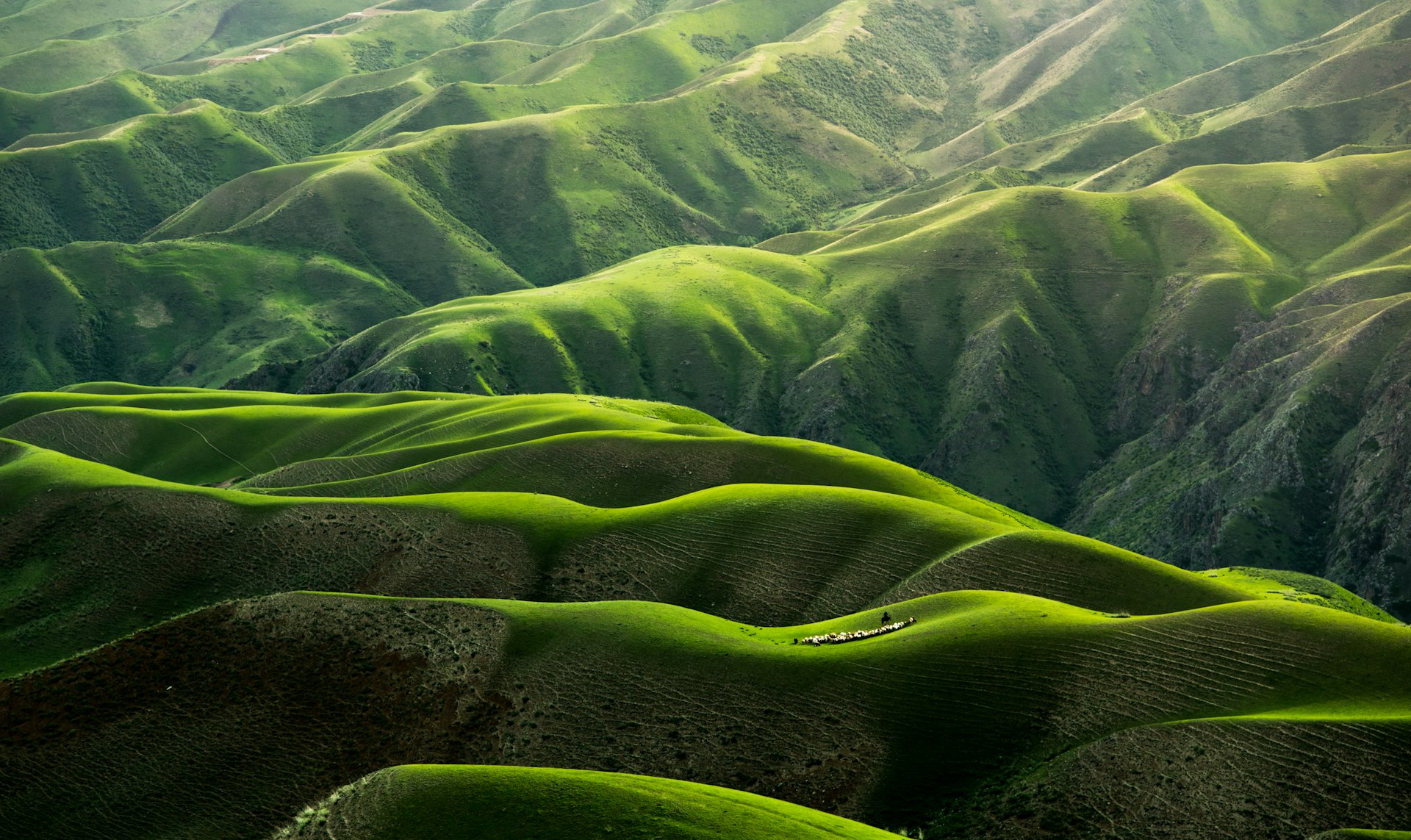
Biei's Patchwork Road and Panorama Road wind through rolling fields of lavender, sunflower, and poppy against the Tokachi mountains, at their most photogenic in Hokkaido's long-daylight July and August summer. Nearby Furano's Tomita Farm lavender fields rival Provence's, at a fraction of the tourist processing.
Aizuwakamatsu — The Samurai Castle Town
Tohoku's finest surviving samurai town centers on Tsurugajo Castle and the extraordinarily preserved 38-room Saigo family samurai residence. Iimoriyama hill, where the teenage Byakkotai samurai unit died believing their castle had fallen during the 1868 Battle of Aizu, remains the most historically resonant single site in northeastern Japan.
Koya-san — The Mountain Temple City
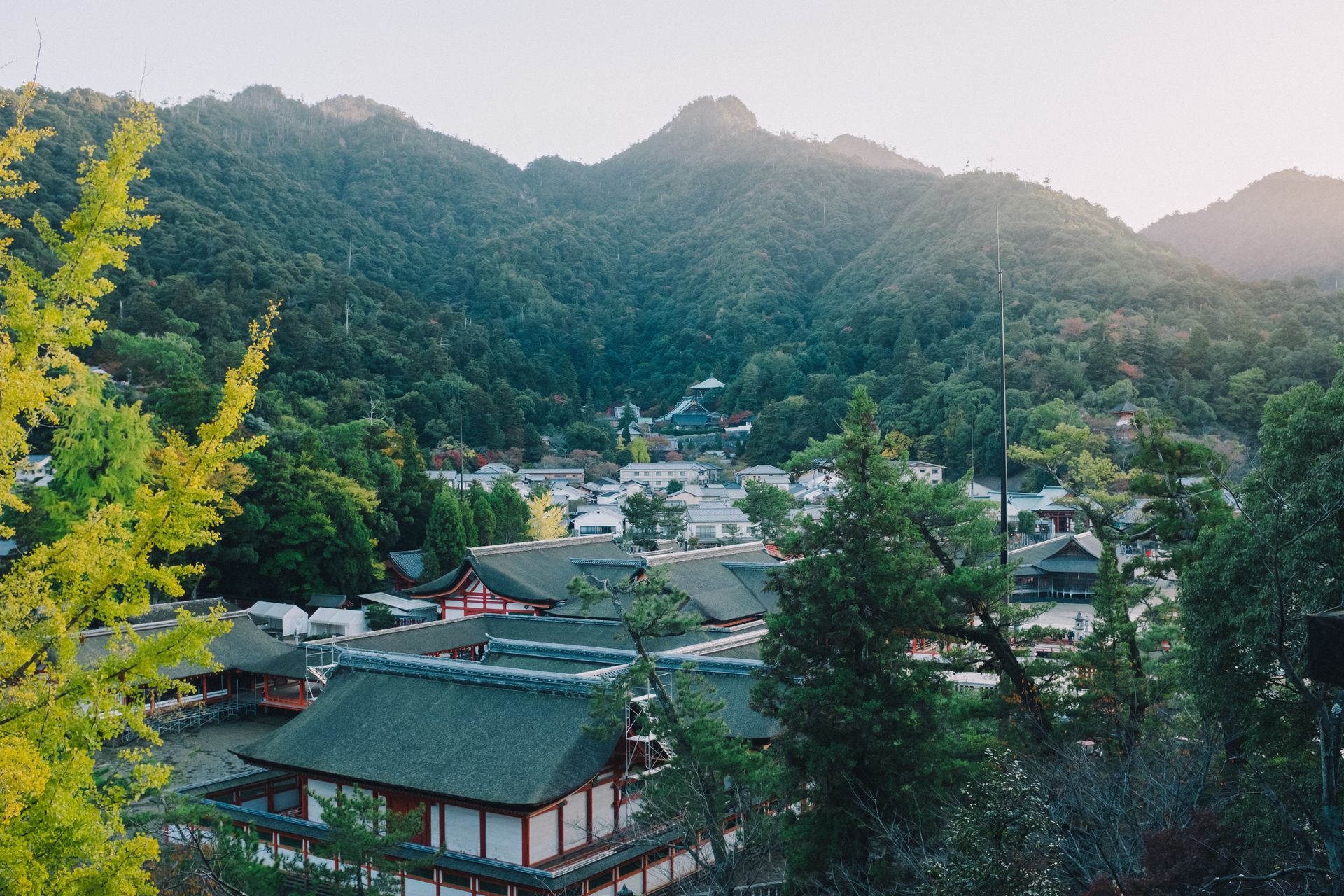
This 800-meter plateau has held Kobo Daishi's Shingon Buddhist monastic complex since 816 AD — 117 temples and a 200,000-grave cemetery. The Okunoin's 2-kilometer cedar-forest approach, walked at dawn, is the finest single walk in Japanese cultural travel, leading to the Torodo hall where 10,000 lanterns burn continuously; staying overnight in a shukubo temple lodging with morning prayers is Japan's most immersive overnight experience.
Final Thoughts
The Kansai extensions (Koya-san, Naoshima, Saijo) and the central Honshu mountain cluster (Matsumoto, the Nakasendo towns, Kanazawa) each transform a standard Japan itinerary without requiring major detours. Arrive before the tour groups, stay at least one night in every town, and let Japan's deeper layers reward the unhurried traveler.