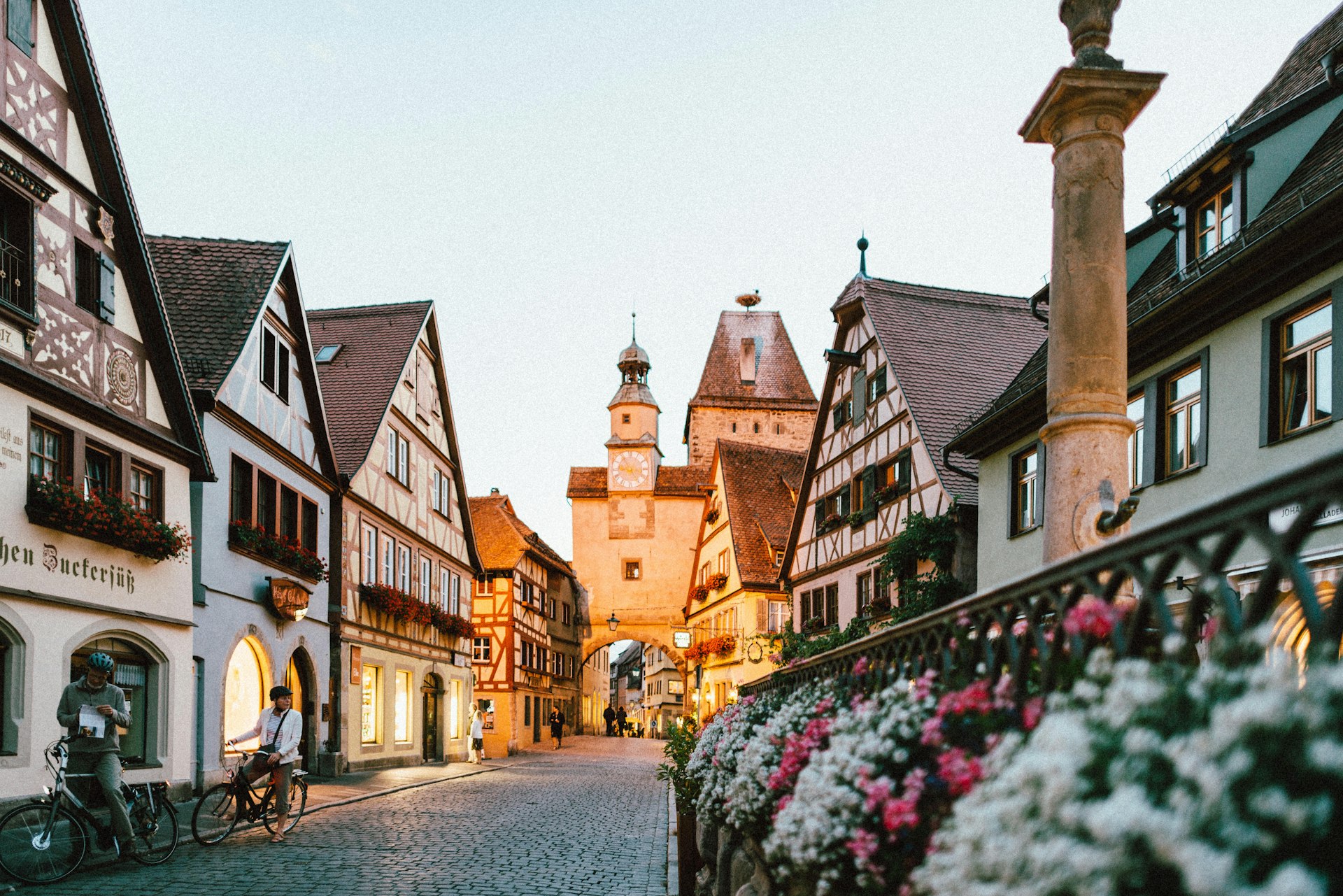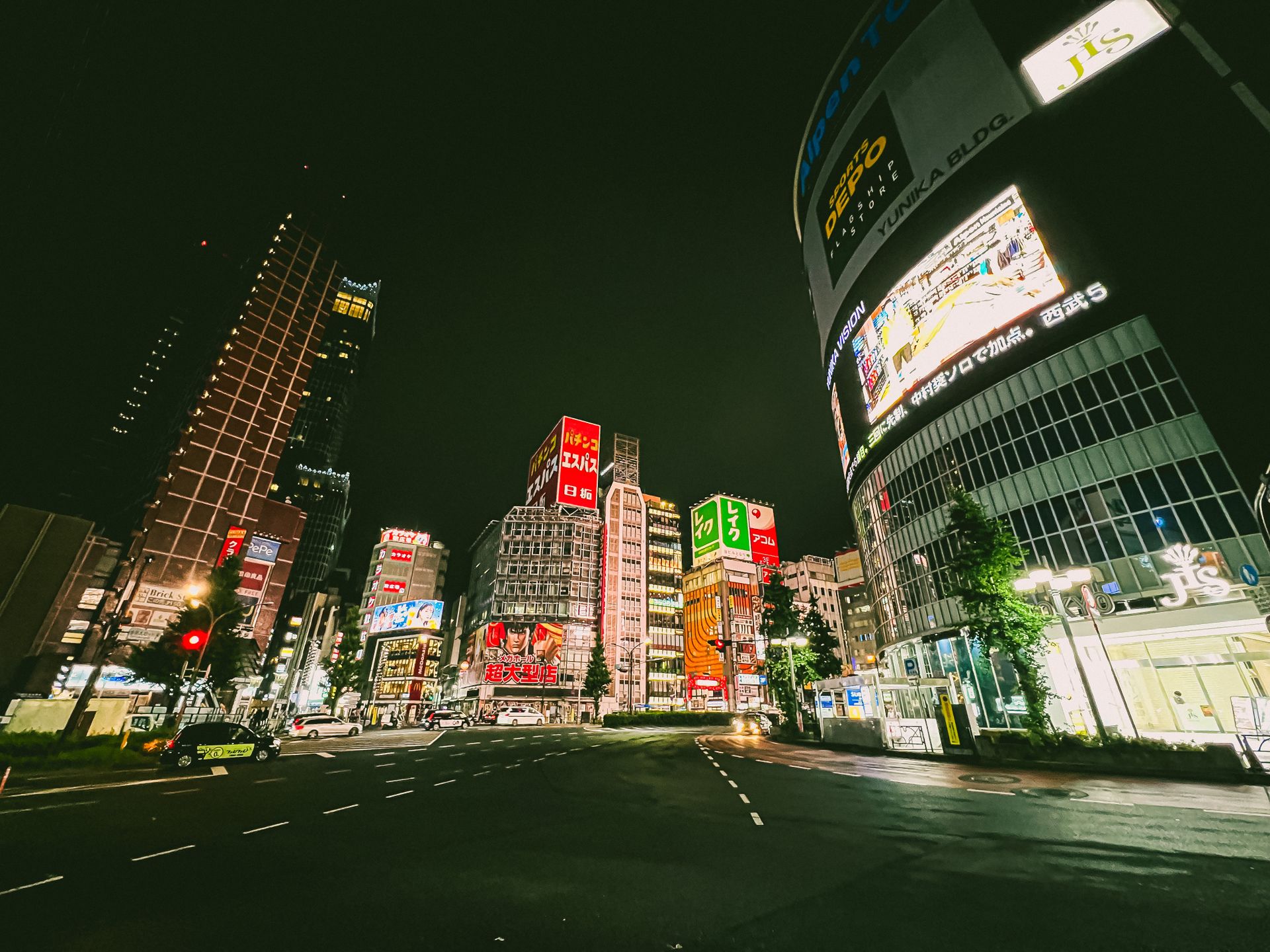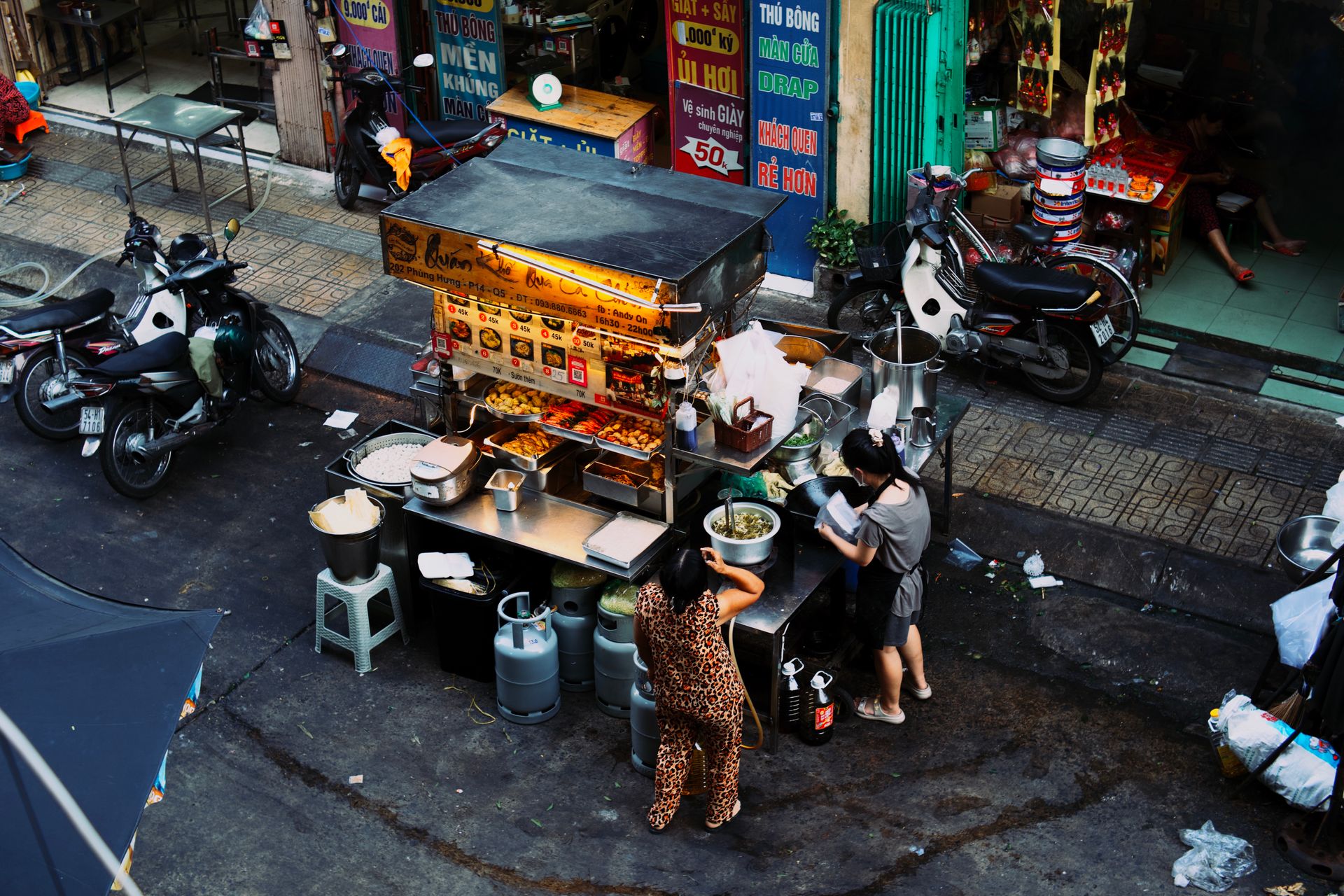
This guide covers the world's finest food cities and how to actually experience them — eating where locals eat, visiting the market before the restaurant, and taking a structured food tour on day one to build the context that makes everything after it more meaningful.
What connects the world's great food cities is not cuisine style or price point — it's food made with genuine craft, genuine ingredients, and genuine cultural intention.
Asia's Craft and Density
Tokyo has more Michelin-starred restaurants than any city on Earth, its shokunin craft culture producing specialists who spend entire careers refining a single dish — visit the Tsukiji Outer Market at dawn, then a Shinjuku izakaya alley by evening. Hanoi has the world's finest breakfast culture, rising at 5am for phở, bún chả, and egg coffee at Café Giảng, still run by the family that invented it in 1946. Chengdu's mala cuisine pairs the numbing heat of Sichuan peppercorn with chili burn for a sensation unavailable from any other spice tradition.
Europe's Deep Traditions
Bologna's tagliatelle al ragù and the Mercato di Mezzo market hall represent Italian cooking at its most established. San Sebastián has the world's highest Michelin-star density per capita, though its finest experience is the pintxos bar-hopping ritual of the Parte Vieja rather than any starred restaurant. Copenhagen's New Nordic movement, launched at Noma, transformed the entire city's food culture around locality and seasonality — visit Hart Bageri for the finest sourdough in Scandinavia.
The Americas' Rising Capitals
Mexico City has emerged as the food world's most dynamic destination, its taco culture alone justifying a visit, backed by contemporary restaurants like Pujol regularly ranked among the World's 50 Best. Oaxaca's seven moles and mezcal culture represent one of the world's great indigenous culinary traditions, complex sauces cooked for hours from dozens of ingredients. Lima has become South America's undisputed food capital through a thirty-year project of revaluing Peru's extraordinary ingredient biodiversity across 84 distinct ecological zones.
How to Eat Like You Mean It
Eat where locals eat at local hours — the restaurant with a chalkboard-only menu and entirely local clientele is the original; the tourist restaurant near the main attraction is a cover version. Visit the market first, before any restaurant — the ingredients on display tell you more about a food culture than any meal. Book essential restaurants weeks or months ahead where required, but budget equally for the market stall and street cart, since the finest experiences in most food cities cost almost nothing.
Talk to the Person Cooking
In market stalls, small restaurants, and bakeries, the person making the food is the most valuable source of information about what you're eating — questions asked with genuine curiosity are almost universally welcomed. The grandmother rolling pasta by hand has been doing it since she was eight; she holds information no guidebook contains.
More Cities That Belong on Any Food Traveler's List
Barcelona's pa amb tomàquet and the Saturday seafood spread at Santa Caterina Market (the residents' market, unlike the now tourist-oriented Boqueria) define Catalan food culture. Istanbul bridges Ottoman palace cuisine and street-level eating, from balık ekmek fish sandwiches at the Galata Bridge to the meze-and-rakı ritual of a Beyoğlu meyhane. Singapore's hawker centres deliver Asia's most ethnically diverse street food at astonishing quality for the price. Lyon's bouchon tradition and Les Halles de Lyon–Paul Bocuse market represent French cuisine at its most unpretentious, while Marrakech's tagines and spice-square souks and New Orleans' gumbo and beignets round out two more entirely distinct culinary worlds. Tbilisi's khachapuri and supra feast culture, Osaka's kuidaore "eat until you drop" street food ethos, Porto's francesinha and 365 bacalhau recipes, and Ho Chi Minh City's cơm tấm and bánh mì complete the list — alongside New York, which claims no single cuisine but offers the broadest depth of any food city on Earth.
Final Thoughts
That specificity — the taste only possible here, only possible now, only possible from these hands — is what food travel is for. Eat well. Eat everywhere. Eat the world.