This guide covers every level of culinary travel education — from afternoon classes to full degree programs — across the world's best food destinations, plus how to choose the right school for your goals, budget, and timeline.
Travel photography fades in the phone camera roll. The ability to make a proper Moroccan tagine or a silky carbonara from scratch travels home with you and stays for life.
Program Types
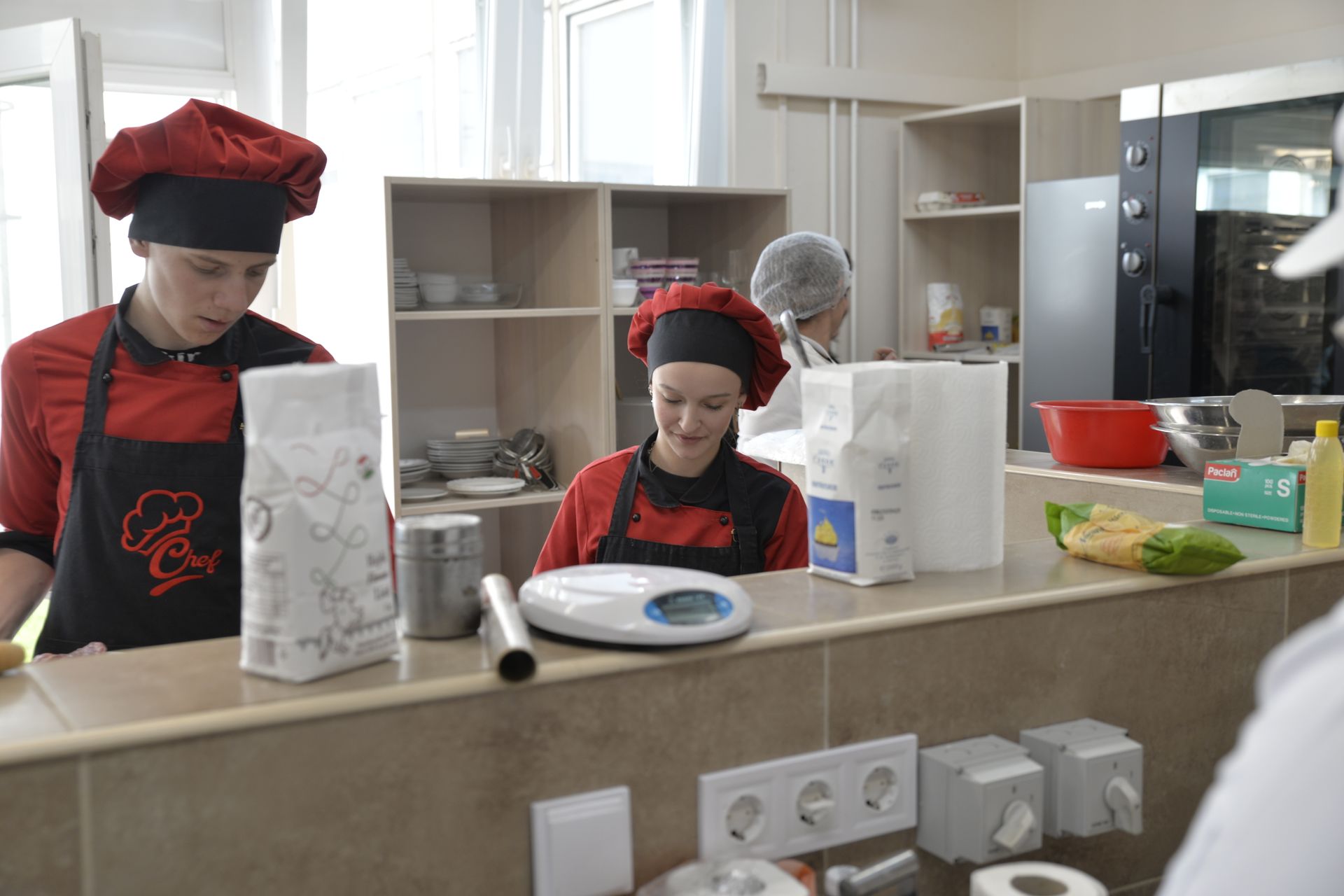
Half-day and full-day cooking classes ($30-200) require no experience and typically combine a market visit with hands-on preparation of 3-5 dishes. Multi-day workshops ($500-3,000) go deeper into a specific cuisine or technique. Certificate and diploma programs (1-12 weeks, $1,500-15,000+) provide industry-recognized credentials, while full degree programs (2-4 years) suit those committed to professional culinary careers.
Europe's Classical Traditions
Le Cordon Bleu Paris remains the most recognized culinary name in the world, its nine-month Grand Diplôme taking students from fundamentals to professional-level execution in the city that defined French cuisine. ALMA, housed in a 17th-century palazzo near Parma, is Italy's premier professional institution, its programs sourcing Parmigiano-Reggiano and Prosciutto di Parma from the surrounding food valley. Florence's Apicius offers strong week-long intensives in Tuscan cuisine and wine that combine morning classes with afternoon market and producer visits, while the Amalfi Coast's cooking vacations pair hands-on coastal Campanian cuisine with villa lunches overlooking the Tyrrhenian Sea. Ballymaloe in rural Ireland offers a farm-to-table philosophy on a 100-acre organic farm, its 12-week certificate among Europe's most respected short professional programs.
Asia's Living Food Cultures
Bangkok's Blue Elephant teaches Royal Thai cuisine in a colonial mansion, including a morning tour of Or Tor Kor Market before cooking begins. Kyoto's small schools teach kaiseki-adjacent technique in traditional machiya townhouses, pairing classes with a walk through Nishiki Market. Hoi An, Vietnam consistently ranks among the world's best food cities, its schools combining a boat ride to herb gardens with hands-on preparation of cao lầu noodles and fresh spring rolls at exceptional value. Cambodia's Siem Reap offers some of the best-value classes anywhere — an Old Market orientation followed by hands-on amok and lok lak for $25–$60 — while home-kitchen programs in Delhi and Jaipur immerse students in the regional spice-blending and bread traditions that restaurant kitchens rarely teach.
The Americas, Middle East, and Home Kitchens
Oaxaca's Instituto Gastronómico traces Mexican cuisine from pre-Hispanic roots through its UNESCO-recognized mole tradition, covering all seven classic Oaxacan moles. Lima and Cusco's cooking classes capture Peru's emergence as a world-class culinary destination, covering ceviche technique and the country's staggering ingredient biodiversity. Marrakech's La Maison Arabe pairs a spice souk tour with hands-on tagine and bastilla preparation in a restored medina riad, while Dubai's ICCA offers internationally accredited certificate and diploma programs in classic French and regional Middle Eastern cuisine, valuable for students eyeing hospitality careers in the Gulf.
Choosing the Right Program
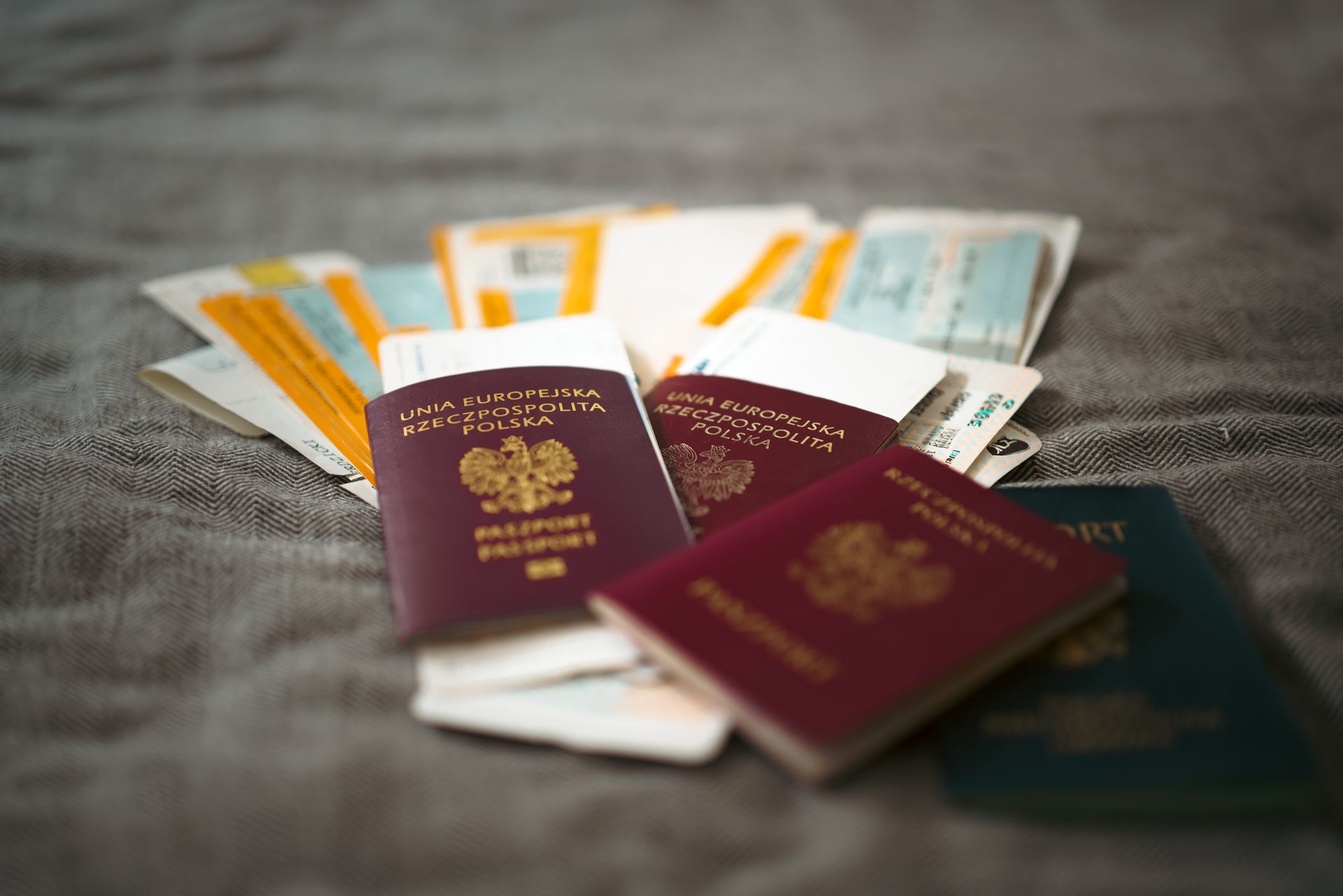
Match the school to the cuisine — the best French technique instruction is in France, the best Thai cooking school is in Thailand. For any program over $3,000, verify accreditation with relevant industry bodies, and look for maximum 12-16 students per instructor for genuine hands-on learning. For short classes under 30 days, most nationalities need only a standard tourist visa; longer programs typically require student visa documentation the school will help arrange.
Final Thoughts
The meal you cook in a Florentine kitchen or a Oaxacan courtyard connects you to something ancient and communal in a way almost no other travel activity can match. Whatever your skill level or timeline, there's a culinary experience abroad calibrated exactly for you.