Chocolate travel spans three distinct experience types: origin experiences at cacao farms in the tropical belt, craft and artisan experiences wherever serious chocolatiers work, and cultural integration experiences where chocolate is embedded in daily food culture rather than presented as a standalone specialty.
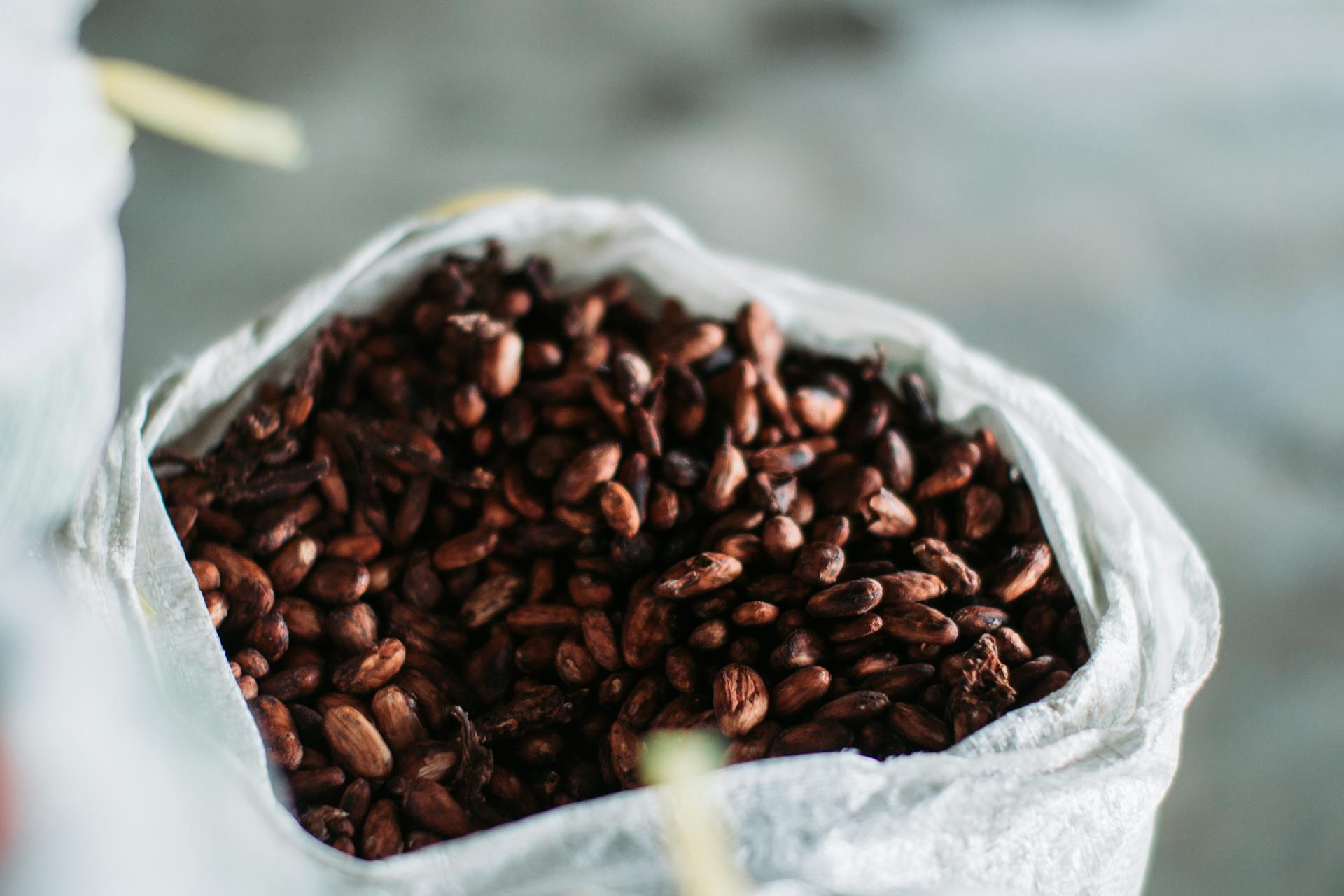
Standing in an Ecuadorian cacao grove and tasting the sweet fruit pulp that no recipe has prepared you for — this is the food travel experience that changes your understanding of what food is and where it comes from.
Europe's Craft Traditions
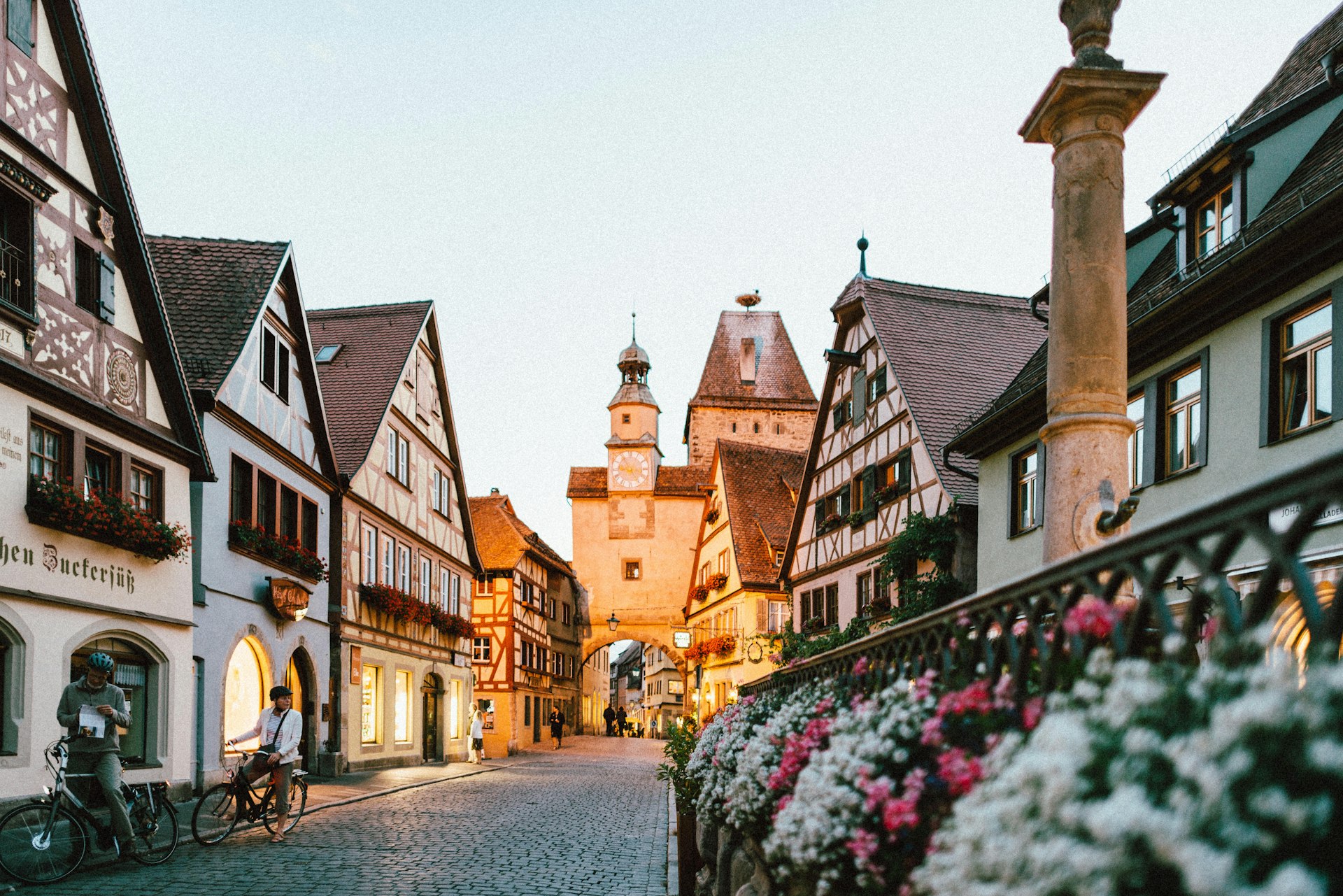
Belgium's praline — invented by Jean Neuhaus in Brussels in 1912 — remains the canonical chocolate destination; Bruges's compact medieval center concentrates enough quality chocolatiers for the most efficient single-day itinerary in Europe. Switzerland's Cailler factory in Broc pairs 18th-century chocolate history with the Gruyères pastoral landscape that supplied milk chocolate's original cream. Paris treats chocolate as haute cuisine — Patrick Roger's boutiques are sculptural galleries as much as shops, and Jacques Genin's salon de thé transforms a purchase into a sit-down event. Turin, the historical European entry point for cacao and birthplace of the gianduiotto (the hazelnut-chocolate confection invented there in the 1860s), concentrates exceptional traditional chocolatiers like Guido Gobino within its arcaded historic center, amplified each October by the CioccolaTO festival. Amsterdam's smaller but well-regarded scene traces back to Coenraad van Houten's 1828 invention of the cocoa press that made mass chocolate production possible.
Cacao Origin
Ecuador's Guayas River basin produces Arriba Nacional, widely considered the world's finest flavor cacao, with estate visits offering the sensory revelation of splitting a pod and tasting the sweet white pulp — nothing like finished chocolate. Peru has emerged as one of the world's most exciting fine-cacao producers over the past decade, its Amazon genetic diversity and high-altitude Cusco-region growing conditions producing unusually complex flavor profiles, with Lima's craft makers completing the origin-to-bar journey within one trip. Venezuela's isolated, boat-only-accessible village of Chuao produces Criollo cacao that many experts still consider the world's most prized, though the country's political situation has complicated access in recent years. Madagascar's Sambirano Valley produces the world's most immediately recognizable single-origin flavor, a red-fruit and citrus profile identifiable in blind tastings, set in a landscape shared with lemur-inhabited forest and vanilla cultivation.
Mexico: Where the Story Begins
Chocolate's 3,000-year history starts in Mesoamerica, and Oaxaca is where that history is still lived rather than merely displayed. Watching a molino grind toasted cacao, cinnamon, and sugar on a stone metate in the Mercado 20 de Noviembre, then tasting mole negro — a sauce containing cacao among 30+ ingredients — connects modern chocolate directly to its origin culture in a way no European atelier can.
New-Wave Bean-to-Bar
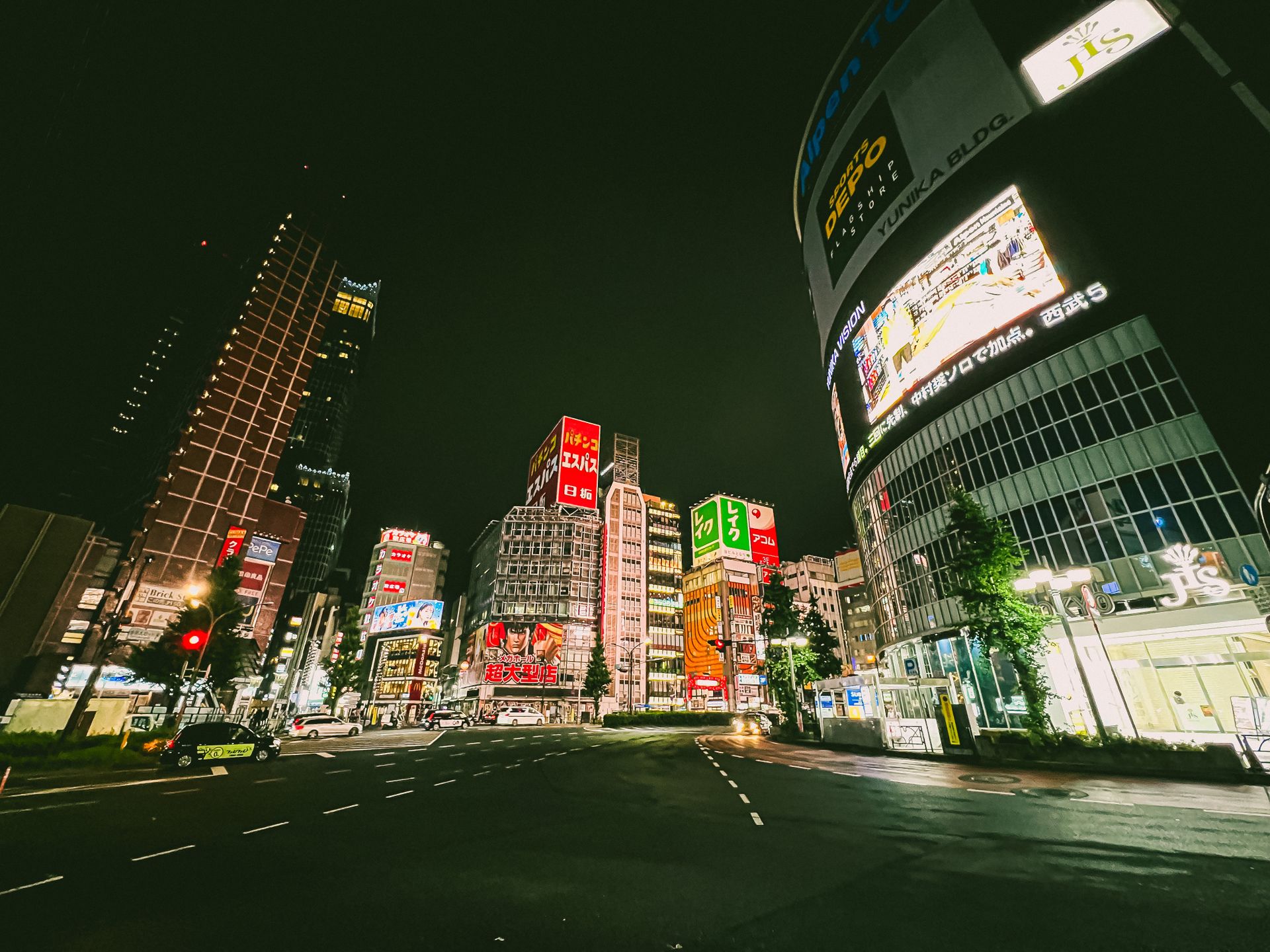
Tokyo applies Japanese precision to Western chocolate tradition with startling results — the depachika basement food halls of Isetan Shinjuku and Mitsukoshi Ginza place Japanese and European makers side by side for direct comparison, at their most concentrated during the pre-Valentine's fair. Vietnam's Marou Chocolate, founded in Ho Chi Minh City in 2011, has built a fine-cacao supply chain from nothing in a decade, its single-origin bars named for the provinces that grew them. West Africa's Ghana and Côte d'Ivoire supply roughly 65% of the world's cacao — mostly industrial bulk beans rather than fine flavor cacao — and offer a different, more sobering origin tourism centered on the labor practices and fair-trade dynamics behind mass-market chocolate. New York's Brooklyn cluster of craft makers and San Francisco's Dandelion Chocolate, which traces back to Scharffen Berger's pioneering 1996 bean-to-bar operation, round out America's strongest craft chocolate scenes.
Planning Notes
Book atelier visits and tasting experiences 2–4 weeks ahead — most operate on fixed schedules that don't accommodate walk-ins. Pack chocolate in carry-on rather than checked luggage to avoid hold-temperature extremes that cause bloom, and prioritize harder chocolate over truffles and ganaches, which are more temperature-sensitive.
Final Thoughts
Between the agricultural origin and the artisan conclusion is the most compelling food travel narrative available today. Follow it wherever it leads.