Camping with kids is one of family life's most reliably transformative experiences, and also one of its more logistically demanding. This guide covers choosing the right camping style, essential gear by age, campsite selection, safety, activities, meals, and sleep — the full progression from a first tentative night under canvas to confident multi-night trips.
The family that camps together builds something — competence, resilience, shared memory — that will outlast every other family investment you make.
Choosing Your Camping Style
Car camping is the overwhelmingly recommended entry point — proximity to the vehicle means forgotten items are retrievable and retreat is possible, while established pitches, toilets, and often a camp shop remove most of the logistical burden. Glamping (pre-erected bell tents and yurts) is the soft entry for a skeptical partner, offering campfire culture without gear investment. Wild camping and multi-day backpacking are the advanced goal reached after several seasons of skill-building — most experienced families identify 8–10 as the realistic minimum age for genuine multi-day wilderness carrying.
Essential Family Gear
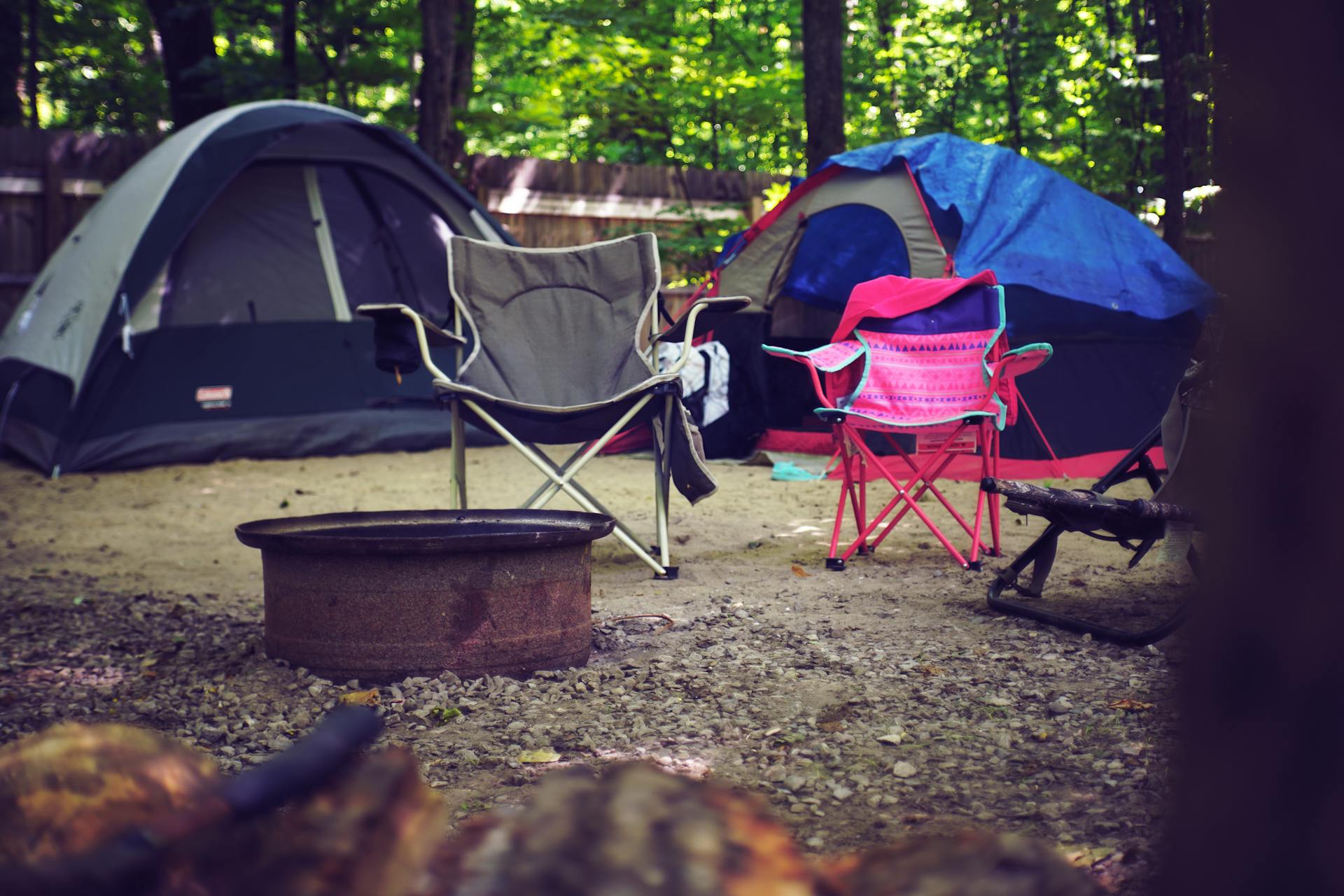
Buy a tent at least two berths larger than your headcount — a family of four should look at 5–6 person tents, ideally with separate sleeping pods and blackout-lined bedrooms (children wake with light). Children lose body heat faster than adults and cannot self-regulate temperature, making an appropriately rated sleeping bag the highest-return gear investment in family camping; a liner adds 5–8°C without buying multiple bags as seasons change. A self-inflating mat with an R-value of 2.5+ addresses the more significant heat loss from below. Car camping allows a full kitchen setup — a two-burner stove, a cool box or 12V fridge, and a dedicated set of deep camp plates and handled mugs.
Choosing a Campsite and Staying Safe
Prioritize clean toilet and shower facilities, a playground, water access (a stream, lake, or beach is the most reliable child entertainment infrastructure available), and level pitching. For fire safety, establish a physical boundary young children don't cross unsupervised, teach older children the sitting-arm's-length rule, and never leave children unsupervised near flame — teaching correct fire management is safer than keeping children away from it entirely. Natural water bodies require an explicit safety assessment on arrival: current strength, depth variation, and temperature all change the calculus from pool swimming. In bear country, non-negotiable food storage; throughout Europe and the UK, systematic tick checking.
Setting Up Camp and Filling the Days
Pitch the tent first, before any exploring, so sleeping security is established; involve children in age-appropriate setup tasks from the first trip — carrying light items at 3–4, pegging under supervision at 5–7, pitching their own section by 8–10. Walk physical boundaries with young children on arrival so parents can work without constant supervision. Equipment-free activities — nature scavenger hunts, campfire storytelling's ongoing-story format, star identification with a planisphere app — scale to any age. Foil-packet and skewer cooking let children cook their own food with a high tolerance for imprecision, and nightly s'mores function as a camping ritual children anticipate from the moment of arrival.
Managing Camping Sleep
Poor sleep from cold or light is the most common reason families abandon camping after one difficult trip. Address light with blackout tent linings and an early bedtime routine start; address sound with a portable white-noise device; address temperature with the sleeping system described above. Toddler sleeping bag suits (all-in-one designs that prevent escape) solve the specific problem of a toddler who won't stay zipped in. For a first trip: one night only, at a well-facilitated site within 30 minutes of home — a successful first night produces enthusiasm for a second.
Final Thoughts
Start small, take preparation seriously and expectations lightly, and come home with one story to tell — the second trip will be easier, and the one after that easier still.