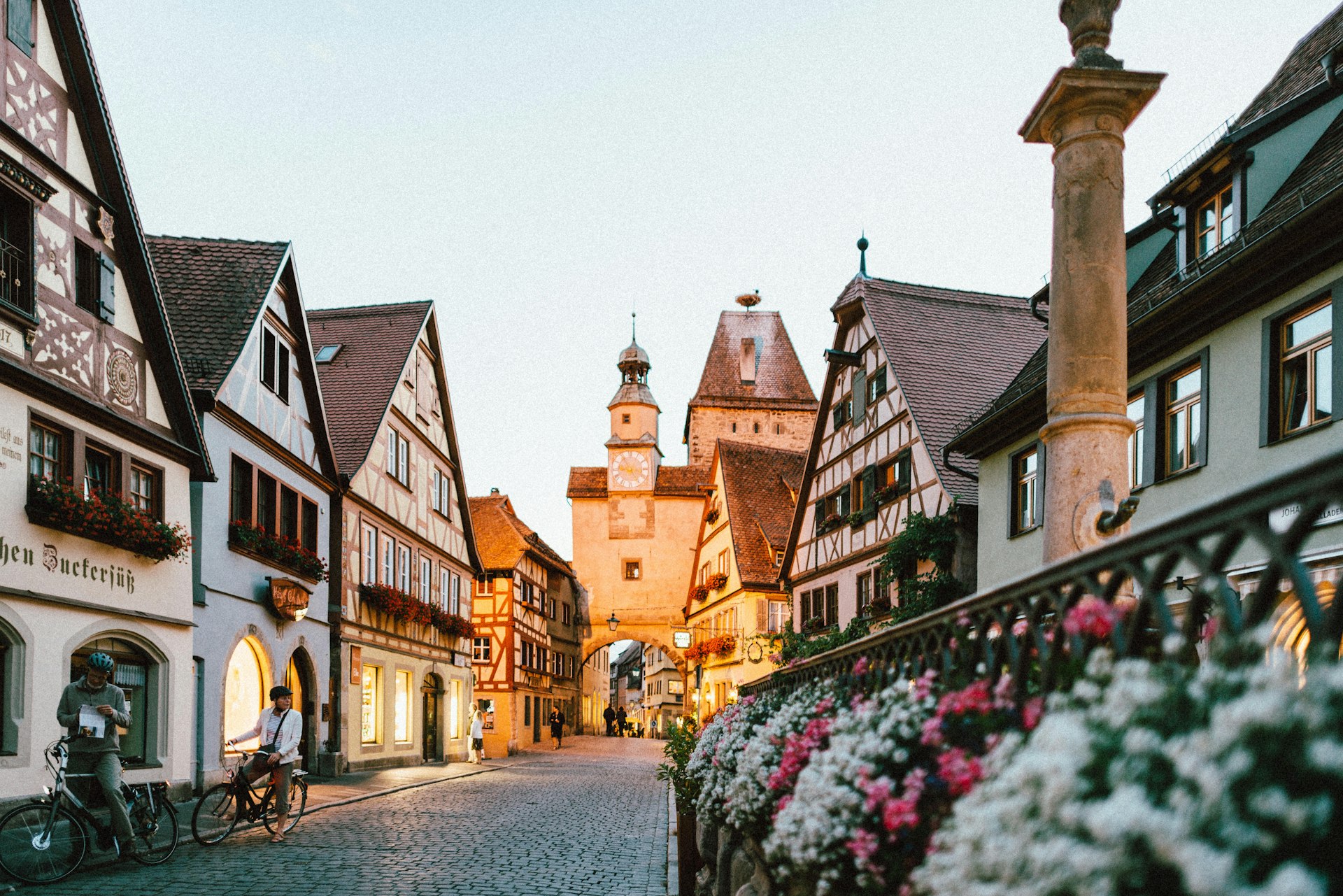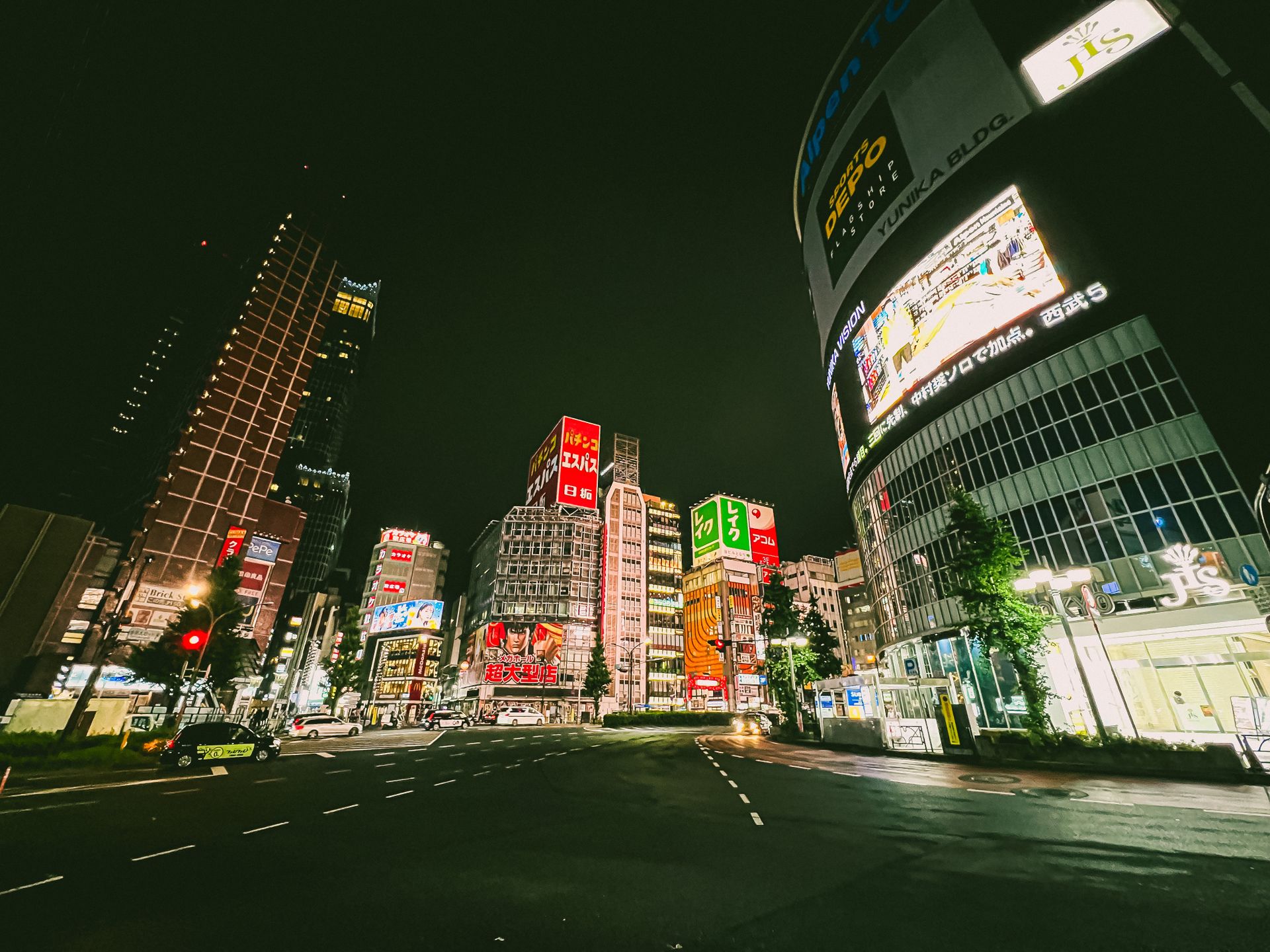
Europe is where most people's love affair with travel begins. There is a reason for that. Nowhere else on Earth concentrates such an extraordinary diversity of history, culture, architecture, food, and human experience within such a manageable geographical area. You can eat a croissant in Paris at breakfast, be in Amsterdam by lunch, and watch the sun set over the Rhine from a German castle by evening.
Europe is not a destination. It is a beginning. It begins with the obvious and rewards you with the inexhaustible.
How We Chose These Cities
But Europe's richness is also its challenge for the first-time traveler. With over fifty countries, hundreds of great cities, and an almost overwhelming abundance of things to see and do, deciding where to go first is genuinely difficult. This guide cuts through the paralysis of choice.
The cities in this guide were selected on five criteria: world-class attractions that genuinely justify the journey, walkability and manageable scale, strong transport connections, a food and café culture that rewards exploration, and a depth of character that goes beyond the postcard image.
1. Paris, France — The City That Invented the Idea of the Great City
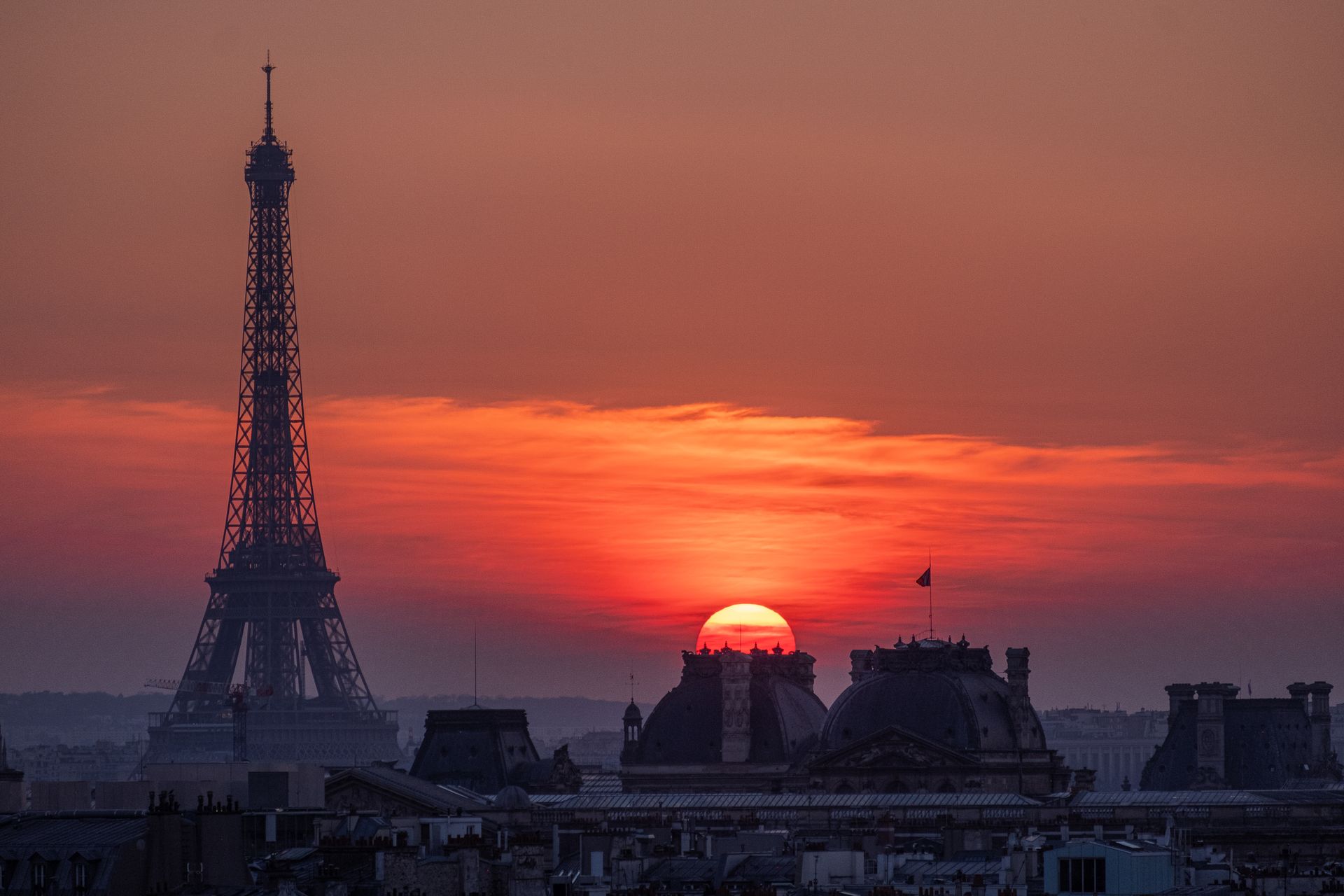
No city on Earth has shaped the world's imagination of what urban life can be more completely than Paris. Its museums, boulevards, bridges, cafés, and gardens constitute one of the greatest concentrations of human beauty and intellectual achievement ever assembled in a single place.
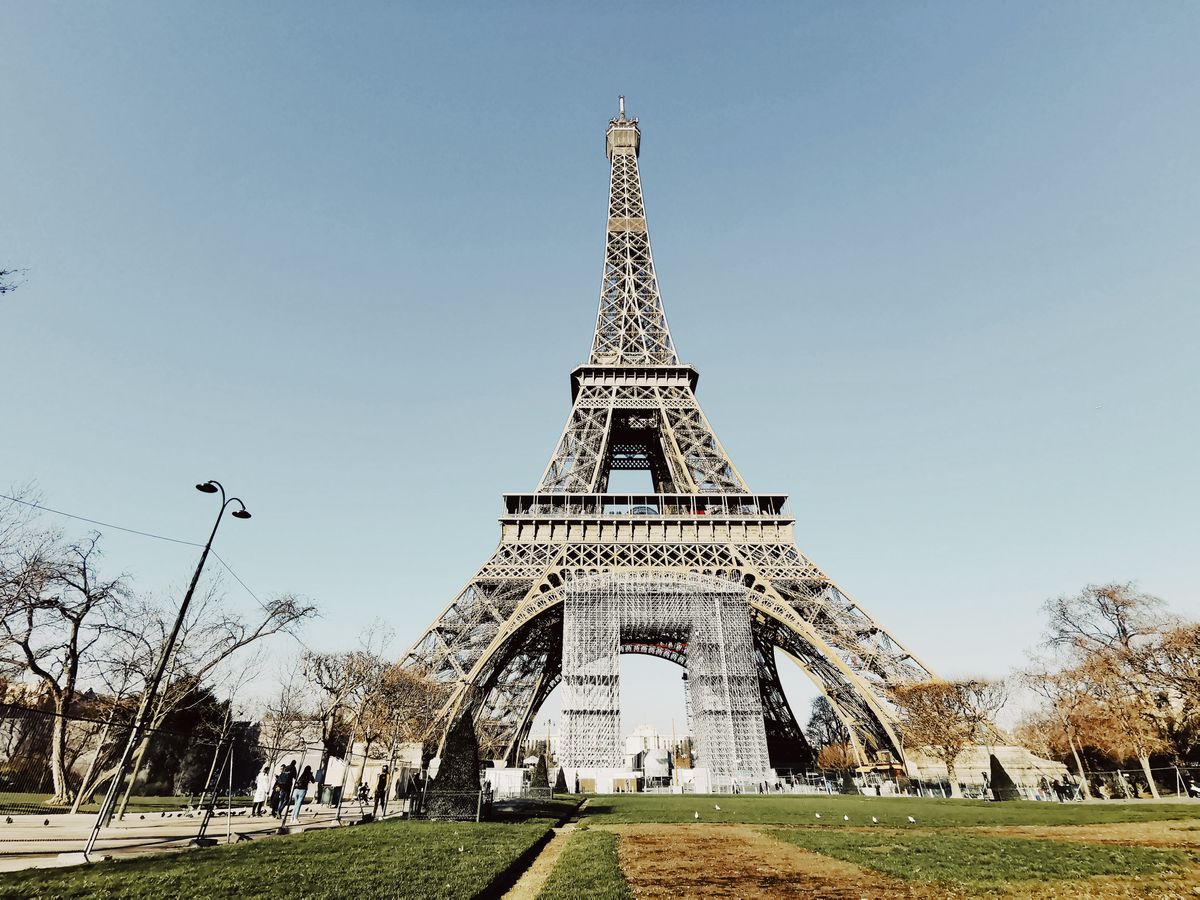
The Louvre — the world's largest art museum, home to the Mona Lisa and the Venus de Milo — could occupy an entire week. The Eiffel Tower, seen for the first time in person, is one of those rare experiences where the reality genuinely exceeds the expectation.
Best for: First-time Europe visitors who want the full, iconic European city experience.
Don't miss: The Louvre at opening time, Sainte-Chapelle's stained glass, a sunset from the Pont des Arts, a croissant from a neighborhood boulangerie.
Best time to visit: April to June and September to October.
2. Rome, Italy — Where Every Street Is a History Lesson
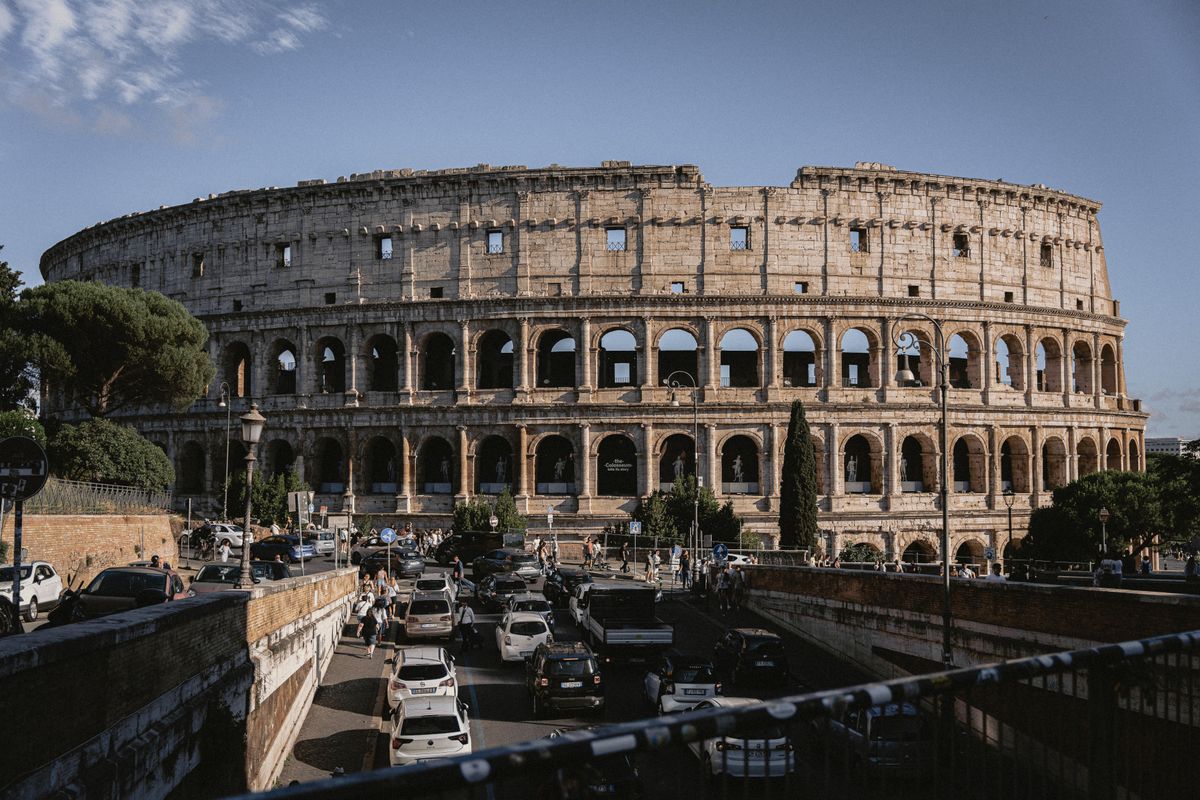
Rome is a living museum of extraordinary scale and depth — a city where you can stand on the same ground where Julius Caesar was assassinated and where contemporary Romans eat lunch on a Tuesday. No city on Earth has been continuously inhabited for as long.
The Colosseum, the Roman Forum, the Pantheon, the Vatican Museums, the Sistine Chapel, and the Trevi Fountain sit within walking distance of each other, without parallel anywhere in the world.
Best for: History lovers, architecture enthusiasts, and anyone who wants the most concentrated hit of human civilization available in a single city.
Don't miss: The Colosseum and Roman Forum at opening time, the Vatican Museums with a pre-booked ticket, cacio e pepe at a neighborhood trattoria, the Trastevere neighborhood at night.
Best time to visit: April to June and September to October.
3. Barcelona, Spain — Architecture, Beach, and the Art of Living Brilliantly
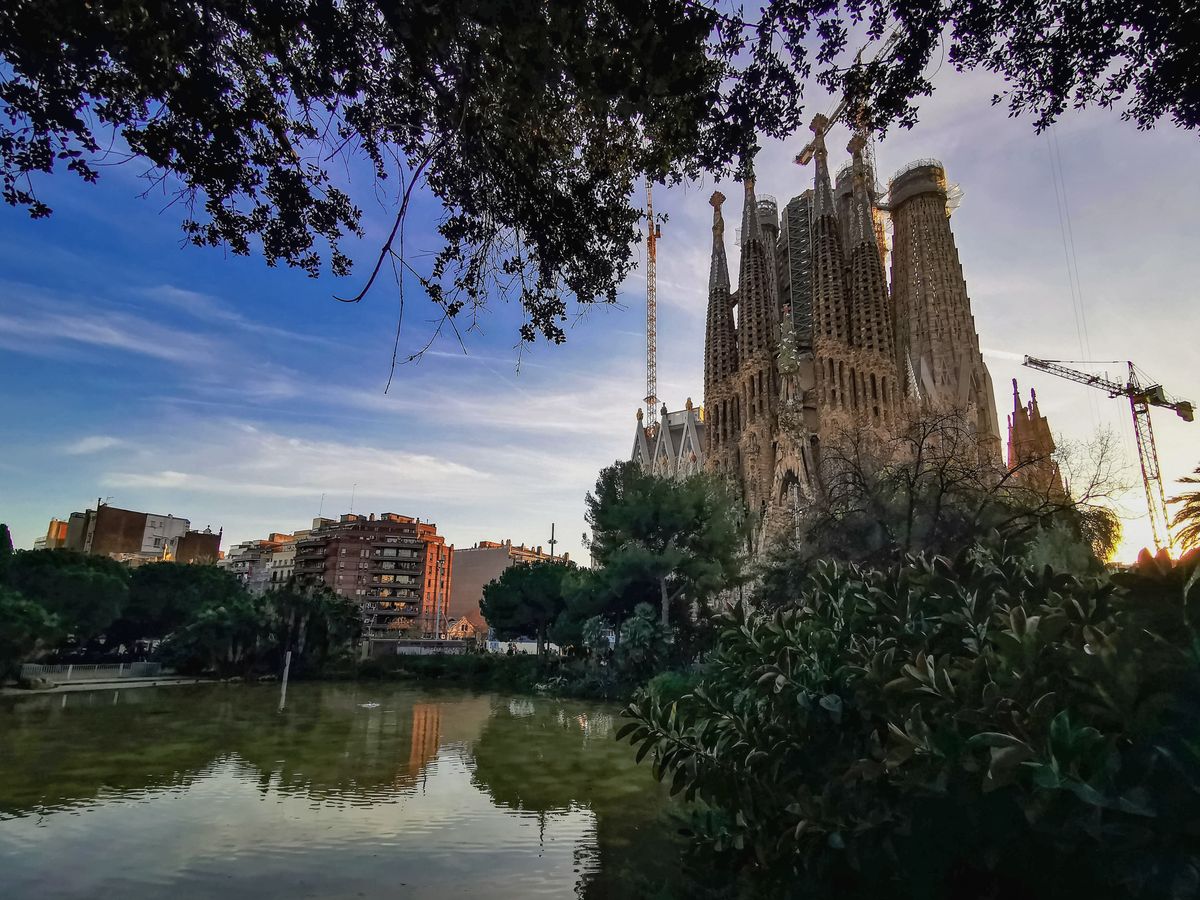
Barcelona is the city that most consistently exceeds first-time visitors' expectations. Antoni Gaudí's architectural legacy alone would make Barcelona one of Europe's essential destinations. The Sagrada Família — still under construction after 140 years — is one of the most audacious and moving buildings in the world.
Its beach — 4.5 km of golden sand within the city limits — makes Barcelona the only major European capital with a genuinely swimmable urban coastline.
Best for: Architecture lovers, beach travelers, and first-time visitors who want the full Mediterranean city experience in a single destination.
Don't miss: Sagrada Família (pre-booked ticket essential), Park Güell, the Gothic Quarter, La Boqueria market, sunset from Bunkers del Carmel.
Best time to visit: May to June and September to October.
4. Amsterdam, The Netherlands — Canals, Culture, and the Art of Cycling Through Beauty
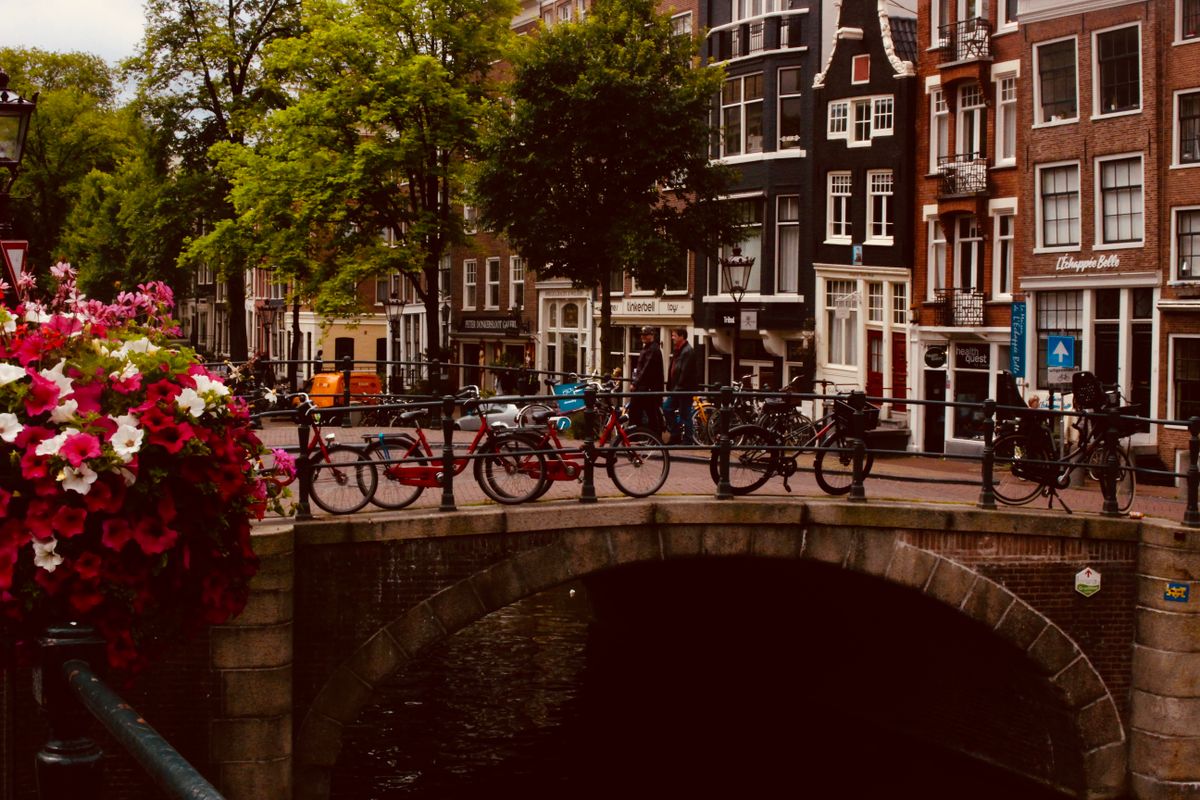
Amsterdam charms almost every visitor within the first hour of arrival with its extraordinary network of 17th-century canal houses and its bicycle-filled bridges. The Anne Frank House is one of the most profoundly moving museum experiences in Europe, and the Rijksmuseum houses Rembrandt's Night Watch and Vermeer's The Milkmaid.
Best for: Culture lovers, cyclists, and first-time European visitors who want a compact, walkable city with world-class museums.
Don't miss: Anne Frank House (book months in advance), the Rijksmuseum, a canal bike ride through the Jordaan, stroopwafels and raw herring from street vendors.
Best time to visit: April to May (tulip season) and September to October.
5. Prague, Czech Republic — The Fairy-Tale City That Defies Belief
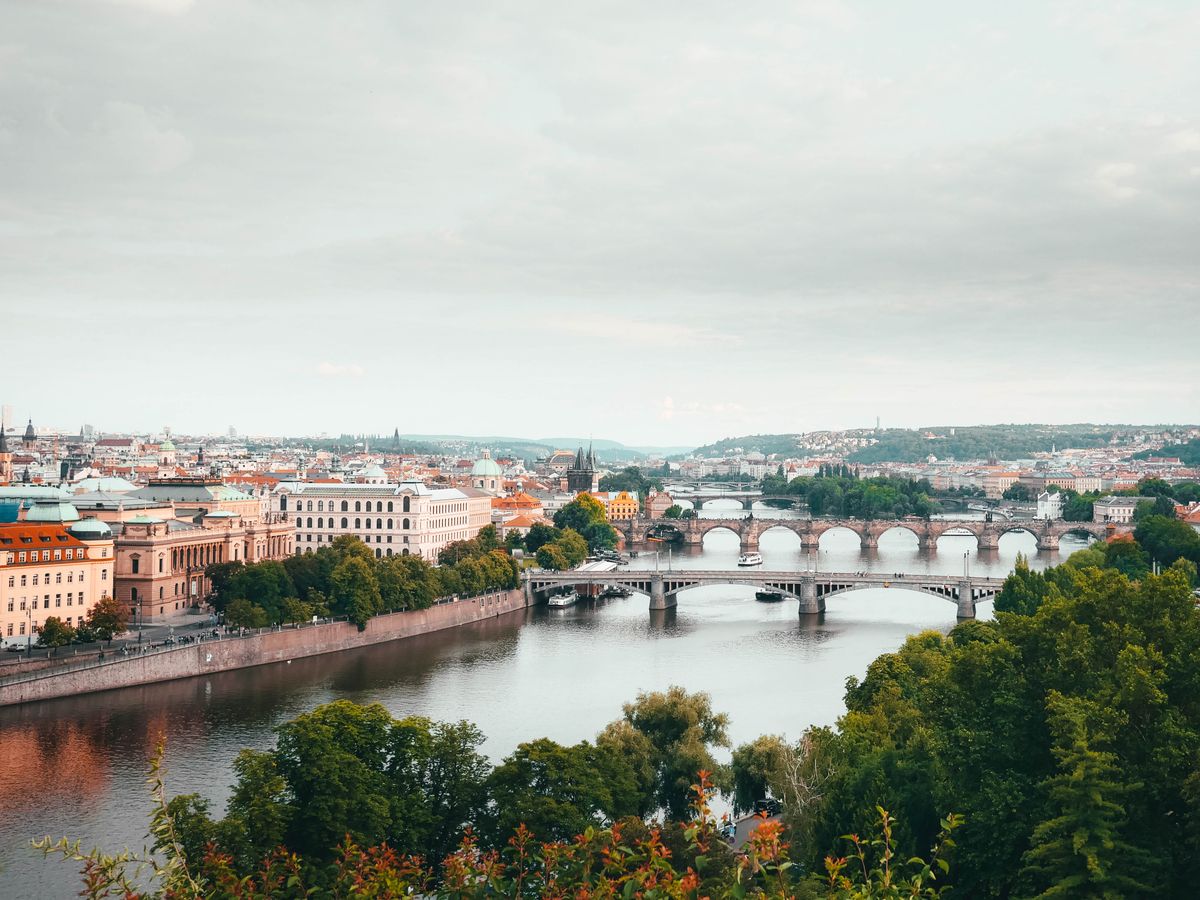
Prague is one of the most architecturally spectacular cities in the world — a medieval, Baroque, and Art Nouveau ensemble largely spared the destruction of two world wars. Charles Bridge, lined with Baroque sculptures crossing the Vltava toward the castle hill, is one of the most dramatic and romantic walks in European travel.
Prague is also outstanding value — a glass of excellent Czech Pilsner in a traditional pivnice costs less than €2.
Best for: Architecture enthusiasts, budget-conscious first-time European visitors, and anyone who has ever wanted to walk through a fairy tale.
Don't miss: Charles Bridge at dawn, Old Town Square Astronomical Clock, Prague Castle and St. Vitus Cathedral, a Czech beer at U Fleků brewery.
Best time to visit: April to June and September to November.
6. Lisbon, Portugal — Europe's Most Captivating and Soulful Capital
Lisbon is the city that most surprises first-time visitors in recent European travel. Set across seven hills above the broad Tagus estuary, it is a city of constant views. The Jerónimos Monastery in Belém, from whose shores Vasco da Gama set sail in 1497, is one of the finest examples of Manueline architecture in existence.
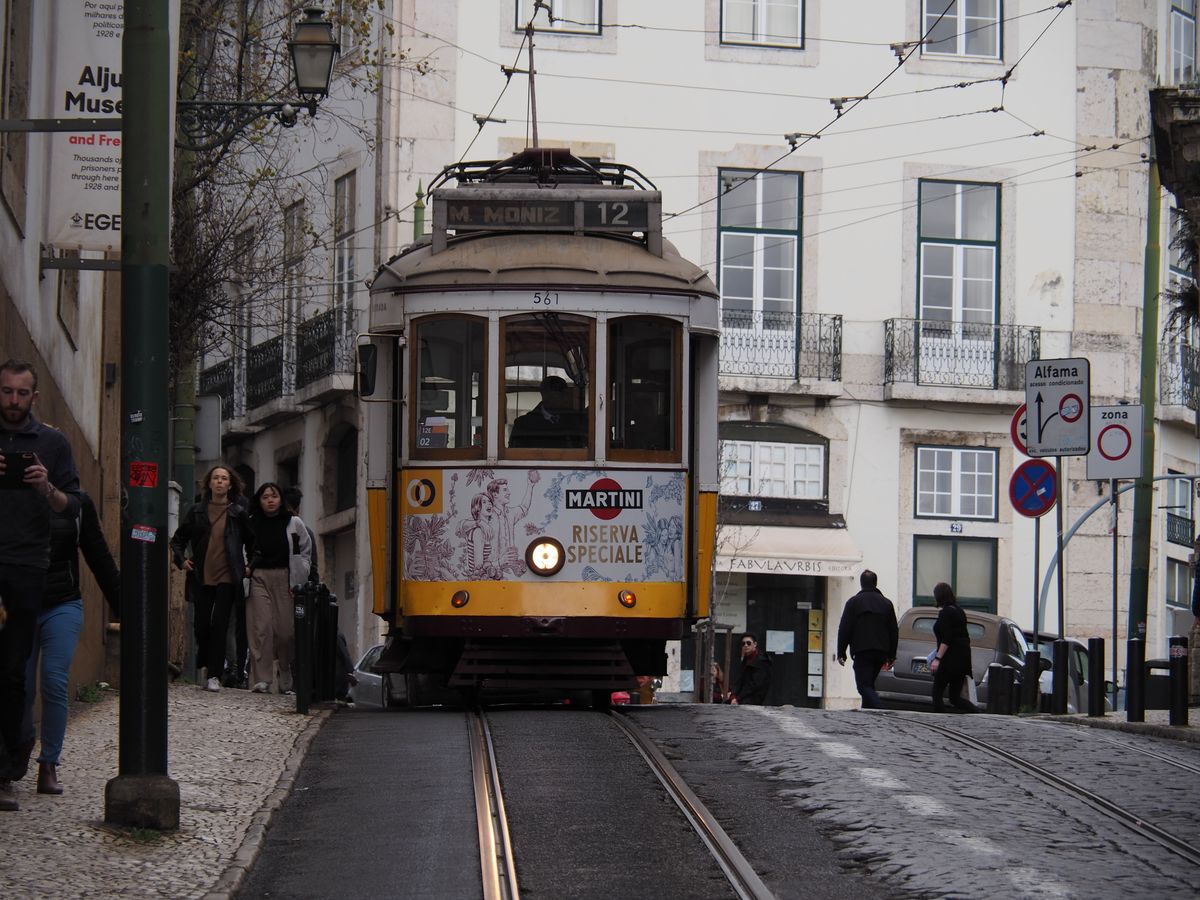
Lisbon's greatest pleasure cannot be scheduled: riding Tram 28 through the Alfama at dusk, the smell of grilled sardines, and fado — that music of exquisite, bittersweet longing — heard live in a small Mouraria house.
Best for: Culture lovers, food travelers, fado enthusiasts, and first-time European visitors who want something slightly off the very beaten path but fully world-class.
Don't miss: Alfama neighborhood and São Jorge Castle, Jerónimos Monastery and Belém Tower, a pastéis de nata at Pastéis de Belém, fado live in Mouraria.
Best time to visit: April to June and September to October.
7. Vienna, Austria — Imperial Grandeur and the Art of Living Well
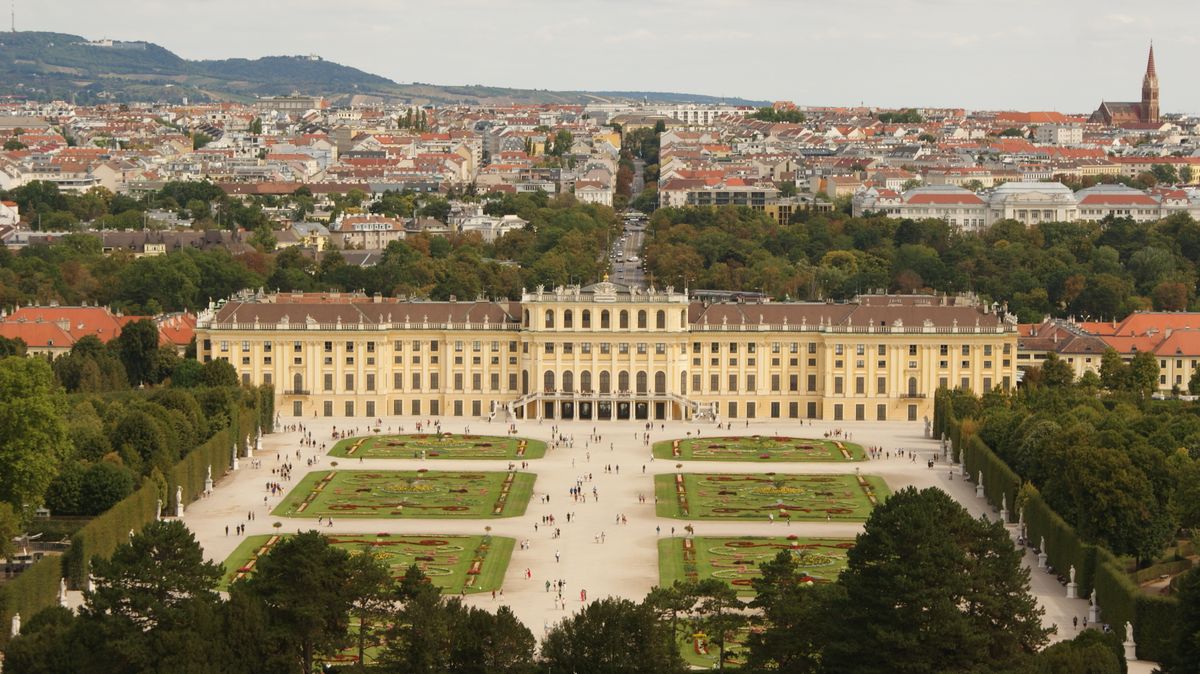
Vienna makes first-time visitors feel as though they have stepped into a more formally magnificent version of civilization. Schönbrunn Palace, the Habsburg summer residence with its 1,441 rooms, is a UNESCO World Heritage Site of breathtaking scale.
Vienna's Kaffeehauskultur — the coffee house tradition, itself a UNESCO Intangible Cultural Heritage — makes sitting in Café Central for a melange and Sachertorte one of the great pleasures of European travel.
Best for: Classical music lovers, art enthusiasts, and anyone who wants to understand what European imperial civilization at its peak looked and felt like.
Don't miss: Kunsthistorisches Museum, Belvedere Palace and The Kiss, Schönbrunn Palace, a performance at the Vienna State Opera, a melange and Sachertorte at Café Central.
Best time to visit: April to June and September to October. December for the Christmas markets.
8. Edinburgh, Scotland — Ancient, Wild, and Deeply Atmospheric
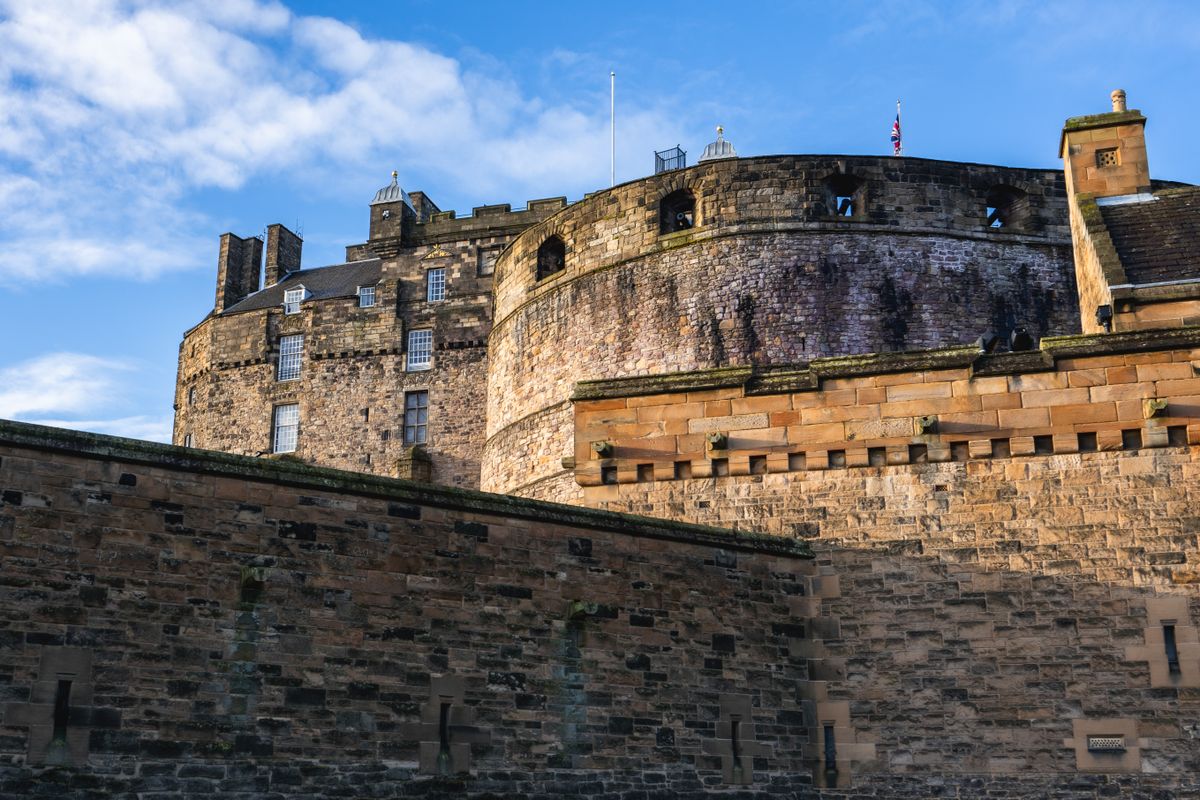
Edinburgh is the most dramatically situated city in Europe — a medieval Old Town of volcanic rock and Gothic spires growing organically from the Castle Rock. Edinburgh Castle, perched on its extinct volcanic plug, is one of Europe's most dramatic fortresses.
The Edinburgh Festival in August — encompassing the Fringe, the International Festival, and the Military Tattoo simultaneously — transforms the city into a month-long celebration of theatre, comedy, and ideas.
Best for: History and literature lovers, whisky enthusiasts, and first-time visitors who want a European city with a wild, ancient character.
Don't miss: Edinburgh Castle, the Royal Mile closes, Arthur's Seat hike, a dram at The Bow Bar, haggis at The Witchery.
Best time to visit: May to September. August for the Festival (book accommodation a year in advance).
9. Budapest, Hungary — Grand, Romantic, and Gloriously Underrated
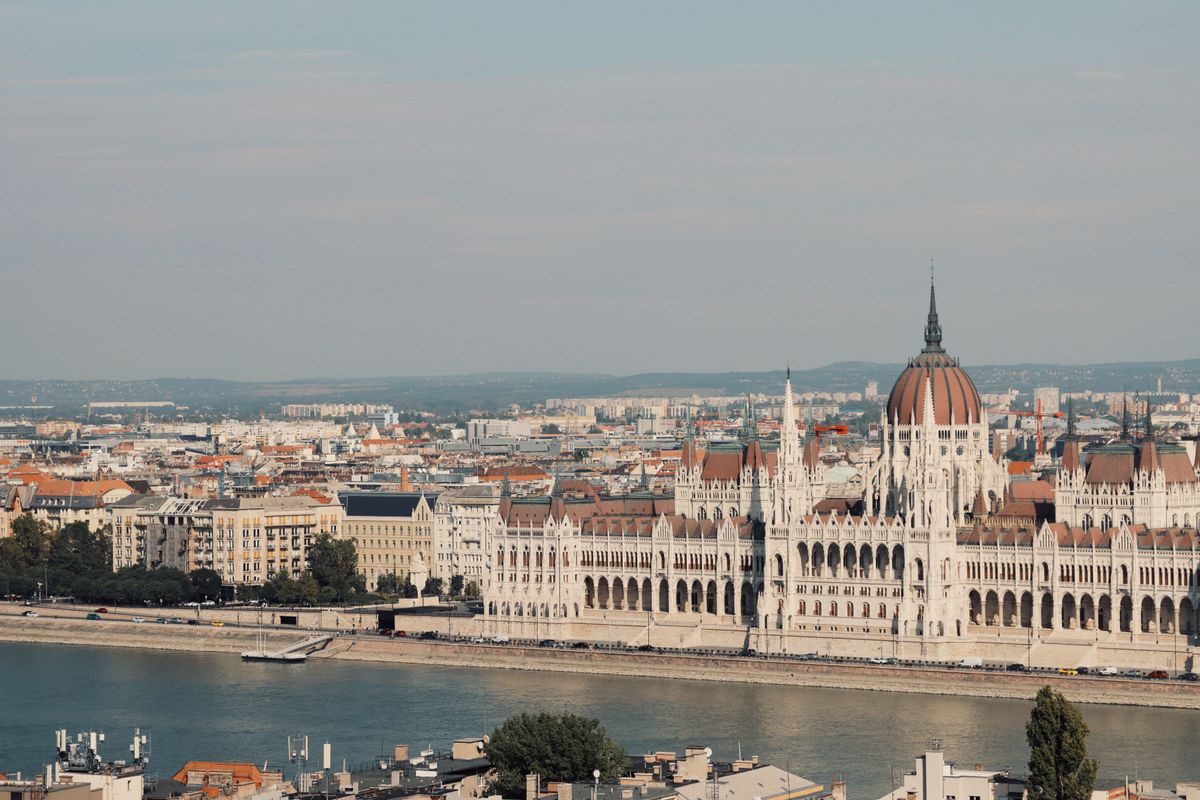
Budapest is consistently described by travelers who have been as one of Europe's most underrated capitals. The Hungarian Parliament Building, stretching 268 meters along the Pest riverbank, is one of the most beautiful government buildings in the world.
Budapest's thermal bath culture — a legacy of Ottoman occupation — is one of Europe's most distinctive travel experiences, and ruin bars in the old Jewish Quarter are one of the city's most original contributions to European nightlife.
Best for: Architecture enthusiasts, thermal bath lovers, and budget-conscious first-time visitors who want a grand European capital at significantly lower prices.
Don't miss: Hungarian Parliament Building, Buda Castle and Fisherman's Bastion, Széchenyi thermal bath, a ruin bar evening, a sunset cruise on the Danube.
Best time to visit: April to June and September to October.
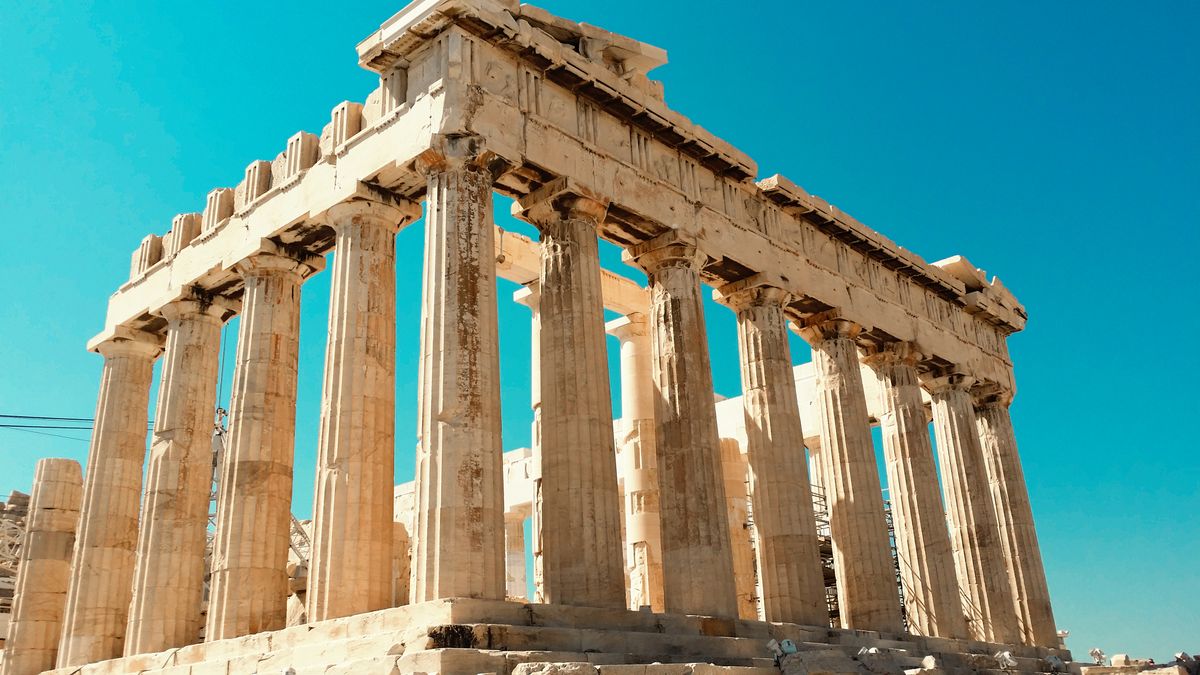
10. Athens, Greece — The Cradle of Western Civilization
Athens is the city that started it all — the birthplace of democracy, philosophy, drama, and the Olympic Games. The Acropolis, crowned by the Parthenon, is one of the most profound and awe-inspiring sites in human experience.
Modern Athens has transformed dramatically over the past fifteen years into a genuinely exciting contemporary destination, with the Monastiraki and Psiri neighborhoods offering outstanding street food and a creative energy that rivals any European capital.
Best for: History lovers, archaeology enthusiasts, and first-time European visitors who want to experience the literal foundations of Western civilization.
Don't miss: The Acropolis at opening time, the Acropolis Museum, the Ancient Agora, souvlaki in Monastiraki, a sunset from Filopappou Hill.
Best time to visit: April to June and September to November.
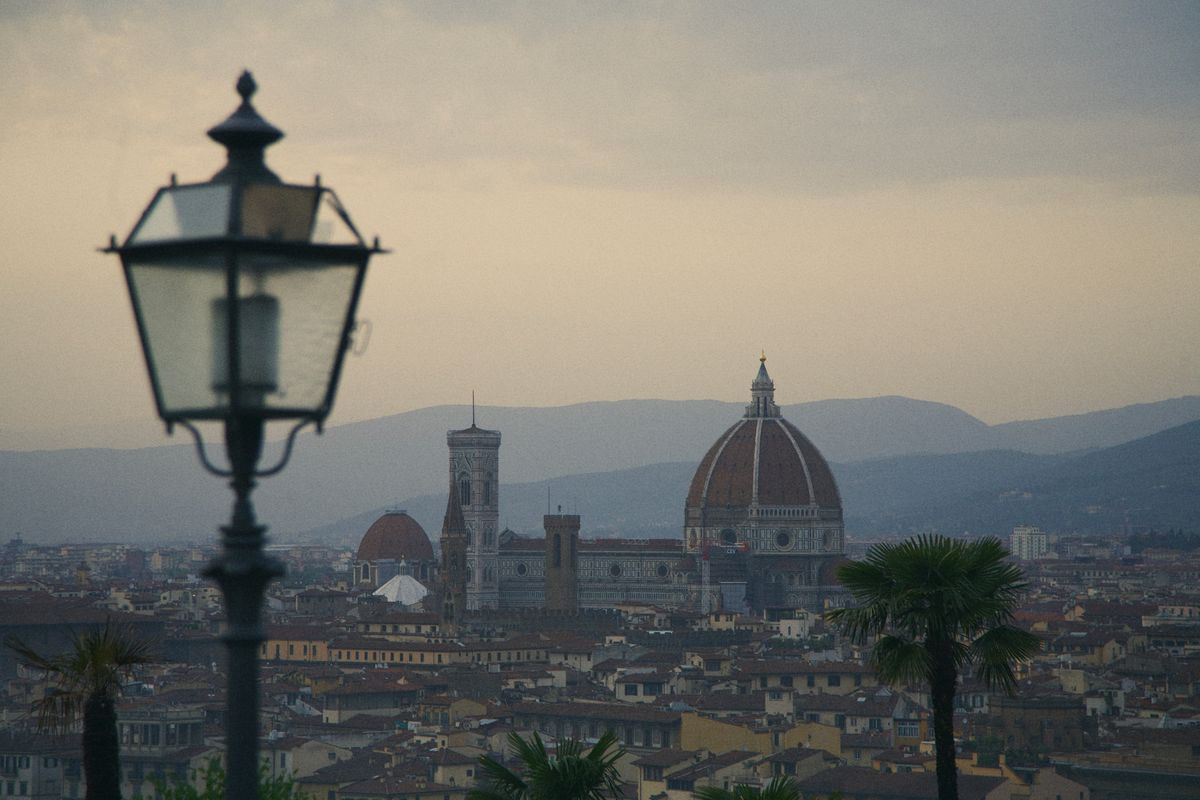
11. Florence, Italy — The Renaissance in a Single City
Florence is the city that created the modern world — or at least the visual and intellectual framework that the modern world built itself upon. The Uffizi Gallery is where the Renaissance lives most completely, culminating in Botticelli's Birth of Venus and Primavera.
Michelangelo's David, in the Galleria dell'Accademia, is the defining sculpture of the Renaissance, and the sweeping panorama from Piazzale Michelangelo at sunset over the entire Arno valley is one of the finest in Europe.
Best for: Art lovers, Renaissance history enthusiasts, and anyone who wants to understand what the peak of Western artistic achievement looks and feels like in person.
Don't miss: The Uffizi Gallery (pre-book), Michelangelo's David, the Florence Cathedral and Brunelleschi's Dome, sunset from Piazzale Michelangelo.
Best time to visit: April to June and September to October.
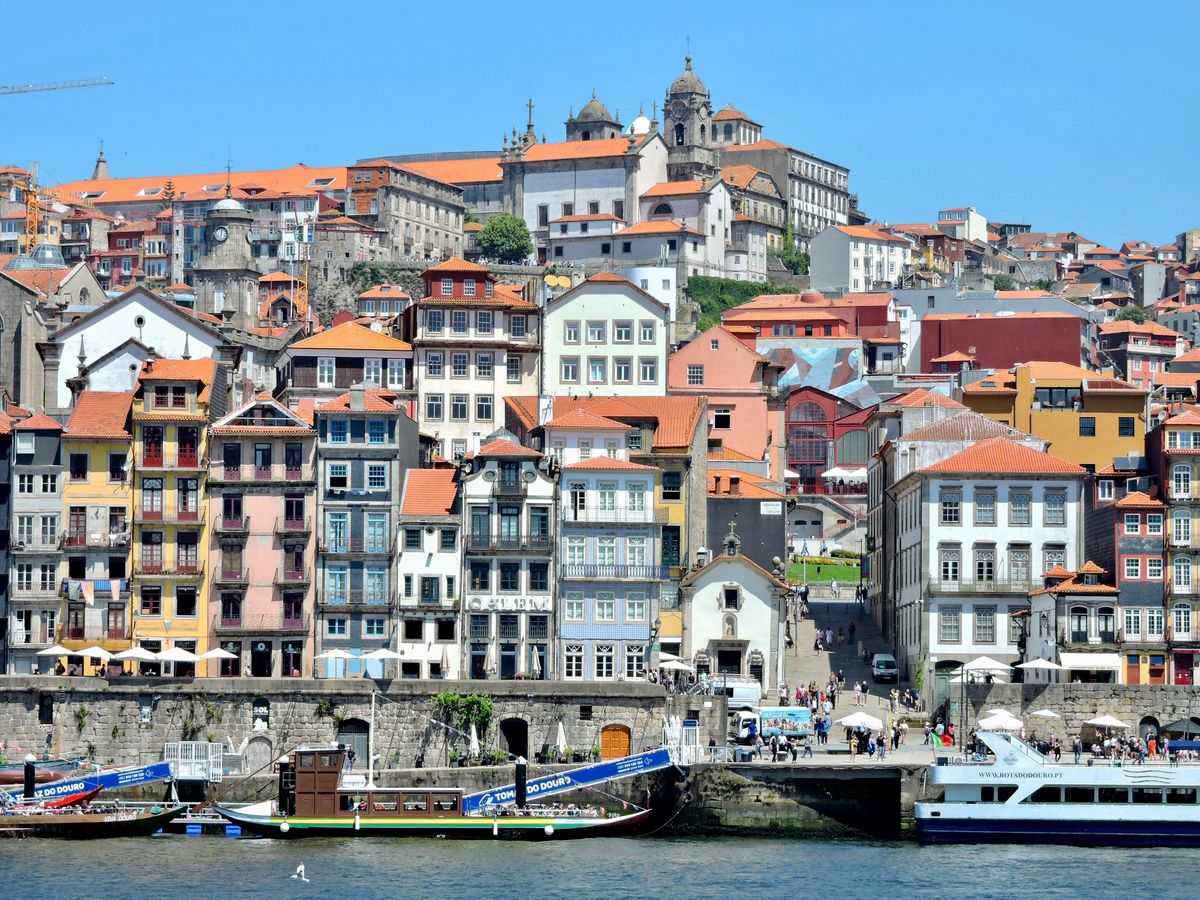
12. Porto, Portugal — Raw, Beautiful, and Unforgettable
Porto is the city that most consistently converts skeptics into devotees — a city of extraordinary character, built into steep hillsides above the Douro River, its facades a magnificent chaos of azulejo tiles and ornate ironwork. The Ribeira district, a UNESCO World Heritage Site, tumbles down to the Douro waterfront in a cascade of color.
The port wine lodges of Gaia offer tours and tastings of the fortified wine that made Porto famous, and the Livraria Lello is a pilgrimage destination for book lovers.
Best for: Architecture lovers, food and wine travelers, and first-time visitors who want a deeply authentic European city that still feels genuinely undiscovered.
Don't miss: Ribeira waterfront, Dom Luís I Bridge at sunset, port wine tasting in Vila Nova de Gaia, Livraria Lello, a francesinha at a classic Porto tasca.
Best time to visit: April to June and September to October.
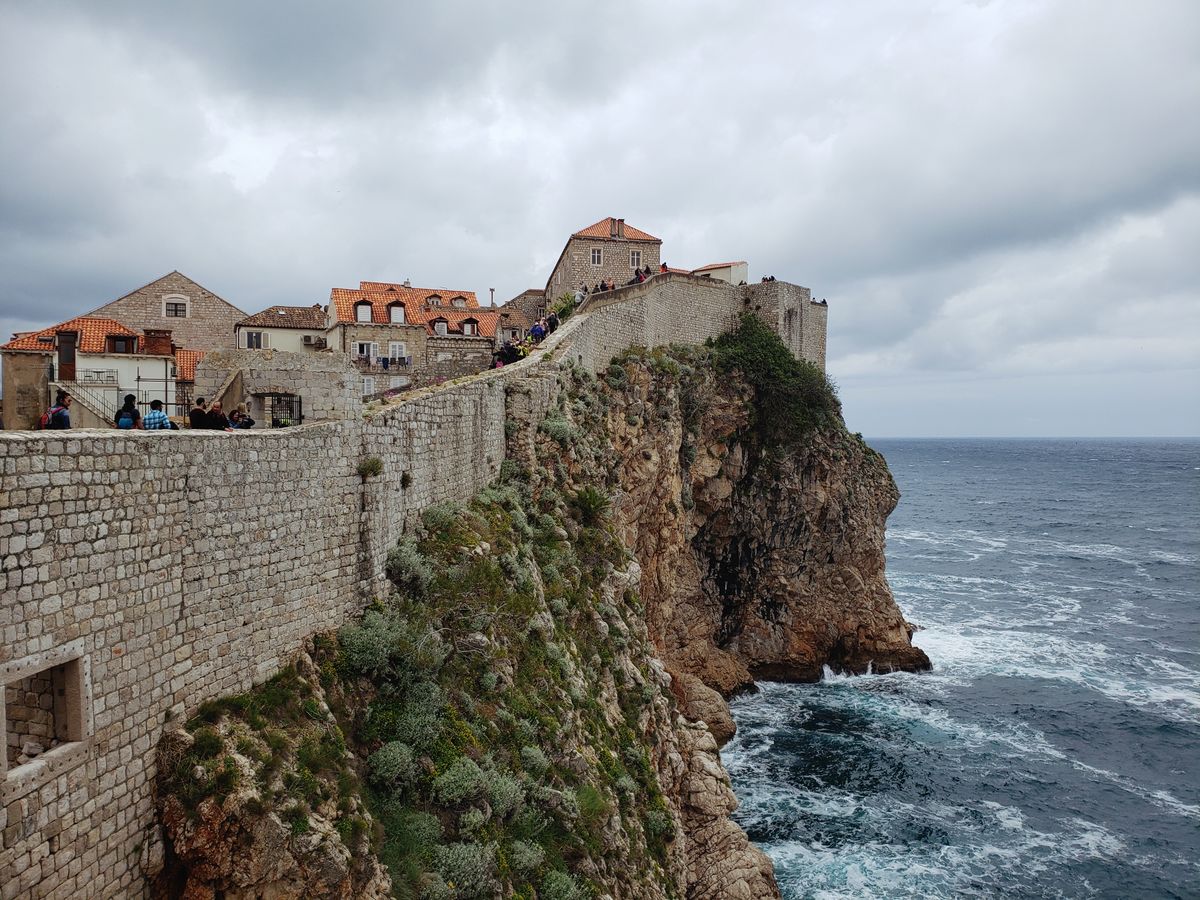
13. Dubrovnik, Croatia — The Most Beautiful Walled City in the World
Dubrovnik is the kind of city that makes people question whether it is real. The medieval walled city, contained within walls up to 25 meters high, is one of the most perfectly preserved urban ensembles in the world. Walking the 2 km circuit of the city walls is arguably the finest urban walk in Europe.
Dubrovnik's status as a Game of Thrones filming location has brought additional recognition to a city that needed no help in that department.
Best for: Architecture lovers, Mediterranean beach travelers, and first-time visitors who want the single most visually perfect city in Europe.
Don't miss: The city walls at dawn, Stradun at dusk, the cable car to Mount Srđ, a day trip to the Elafiti Islands.
Best time to visit: May to June and September to October.
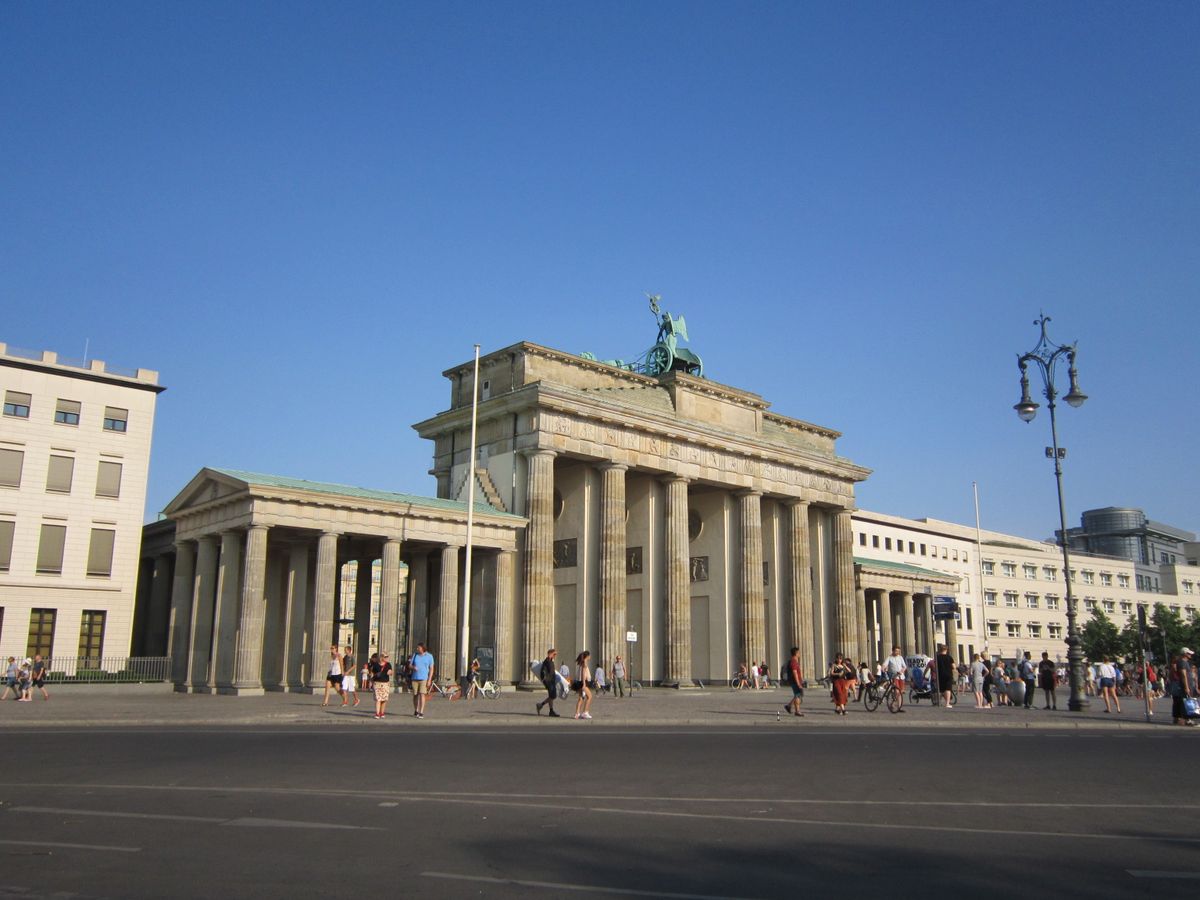
14. Berlin, Germany — History, Art, and the Most Exciting City in Europe
Berlin is the most complex and exciting city in Europe — a metropolis divided by a wall for 28 years, devastated by war, and rebuilt into one of the world's most creative cities. The Memorial to the Murdered Jews of Europe is one of the most powerful commemorative spaces in the world.
Museum Island, a UNESCO World Heritage complex of five world-class museums, houses the Pergamon Museum's reconstructed Ishtar Gate of Babylon.
Best for: History lovers, contemporary art and culture enthusiasts, and first-time visitors who want a European city of extraordinary depth and complexity.
Don't miss: Memorial to the Murdered Jews of Europe, Berlin Wall Memorial, Museum Island and the Pergamon, the East Side Gallery, currywurst from a street stand.
Best time to visit: May to September. December for the Christmas markets.
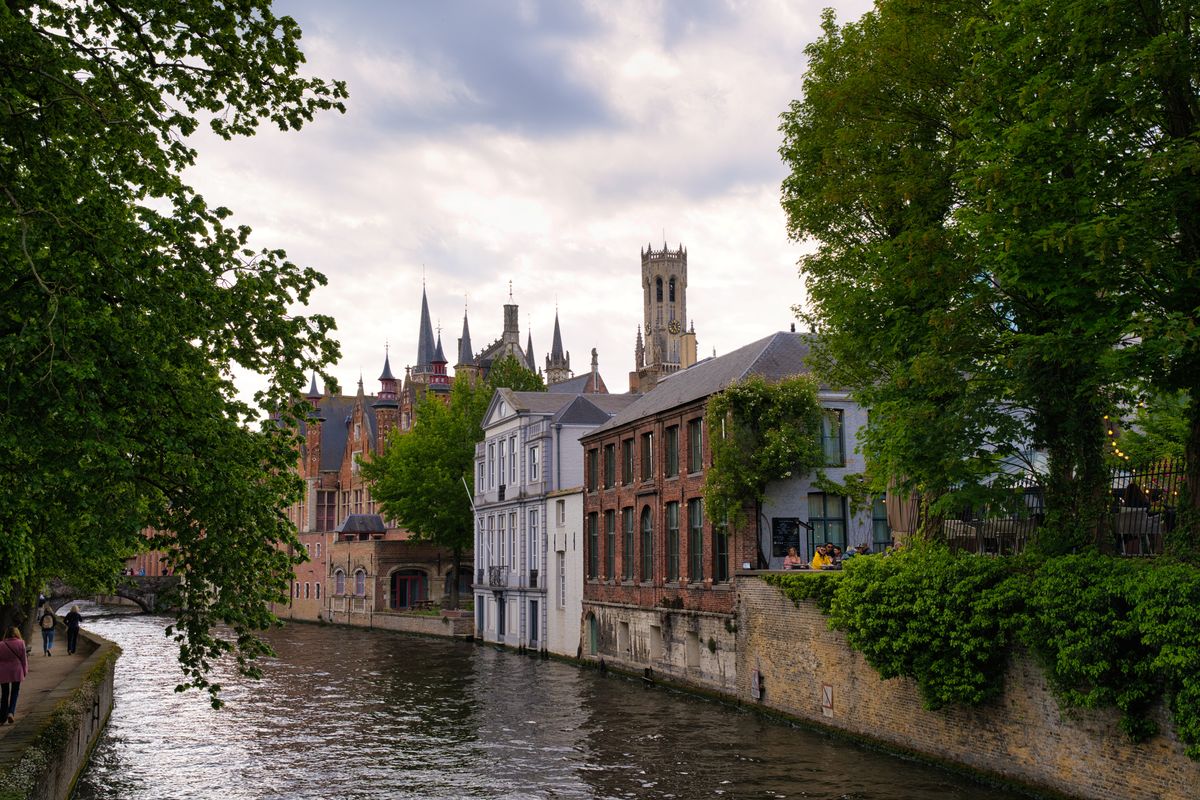
15. Bruges, Belgium — The Middle Ages Perfectly Preserved
Bruges is the most completely preserved medieval city in Northern Europe — a UNESCO World Heritage ensemble that has changed so little since the 15th century that walking its streets feels like passing through a portal into another era.
The Groeningemuseum houses one of the world's finest collections of Flemish Primitive painting, and the city has more chocolate shops per square kilometer than almost any city in Europe.
Best for: Medieval history lovers, art enthusiasts, chocolate and beer devotees, and first-time visitors who want the most perfectly preserved pre-modern European city available.
Don't miss: The Belfry and Markt square, the Groeningemuseum, a canal boat tour, Belgian chocolate at The Chocolate Line, a Trappist ale at De Garre.
Best time to visit: April to June and September to November.
How to Plan Your First European Trip: Practical Advice
Start with two or three cities, not eight. A well-paced trip with three to four days minimum per major city will be far more rewarding than a whirlwind tour that leaves little more than rushed photographs.
Use trains between nearby cities. Europe's rail network is one of its greatest assets — Paris to Amsterdam takes 3.5 hours, Florence to Rome takes 1.5 hours. Booking in advance yields excellent prices.
Book major attractions in advance. The Louvre, the Uffizi, the Vatican Museums, and the Anne Frank House all benefit enormously from pre-booked tickets.
Travel in shoulder season if possible. April to June and September to October offer the best combination of good weather, manageable crowds, and reasonable prices.
Best European City Combinations for First-Time Travelers
Paris and Amsterdam (4–5 days each): Connected by 3.5-hour Thalys train. Rome and Florence (4 days Rome, 2–3 days Florence): Connected by 1.5-hour Frecciarossa — the two most concentrated expressions of Western artistic achievement within easy reach.
Prague and Vienna (3 days each): Connected by 4-hour Railjet. Dubrovnik and Split with Islands: The finest Adriatic itinerary, combining two of Croatia's greatest cities with island-hopping through Hvar, Korčula, and Vis.
Final Thoughts: Europe Is Not a Destination. It Is a Beginning.
The first European trip rarely satisfies the curiosity it was meant to address. Instead, it opens a door into a world of extraordinary complexity and beauty that most travelers spend decades happily exploring without exhausting.
Start somewhere on this list. Go slowly. Walk more than you planned. Eat everything. Let the cities surprise you beyond what the photographs prepared you for. And accept — as every first-time traveler to Europe eventually and gratefully does — that you are going to need to come back.