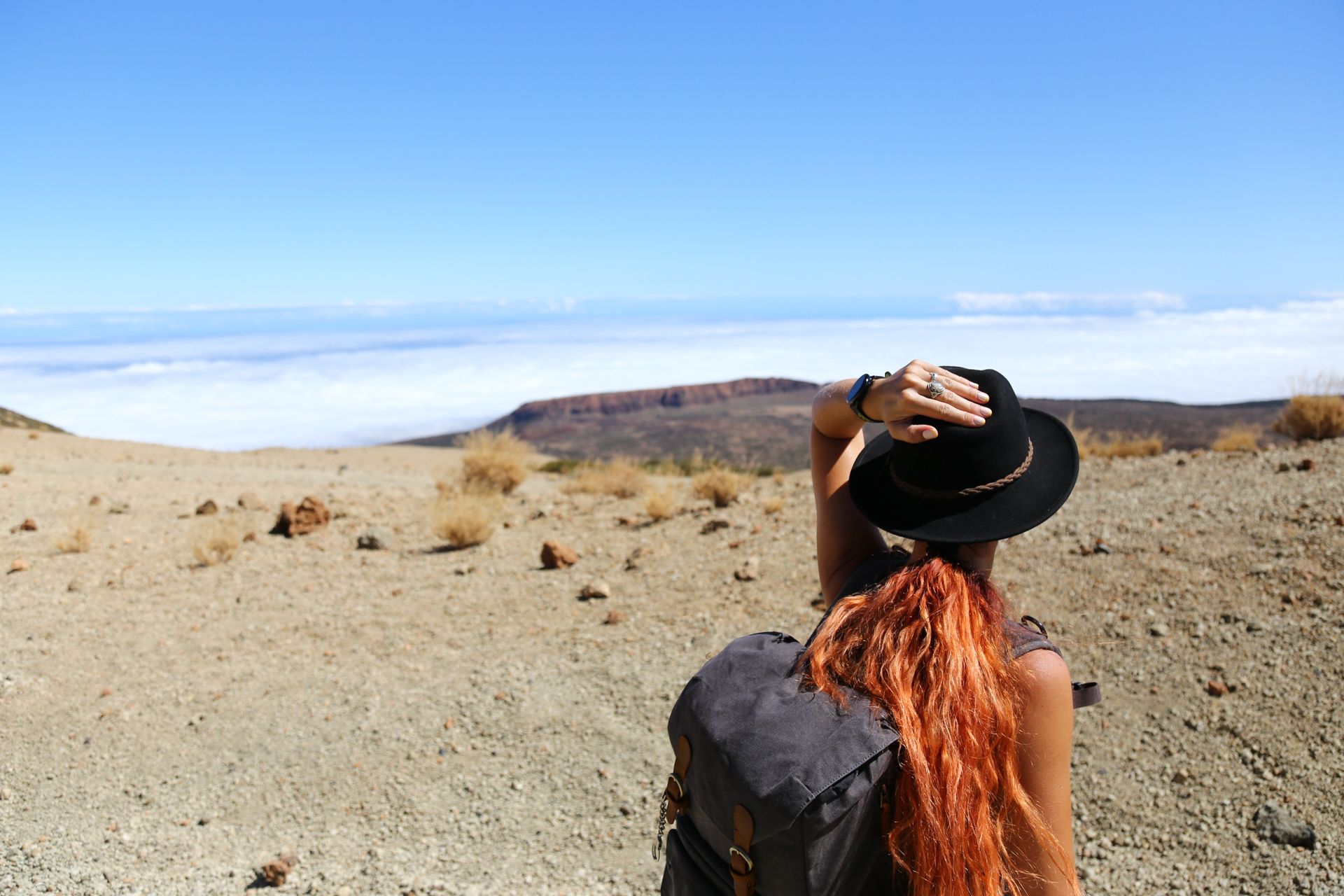
"I could never afford to travel like you do." I hear this constantly. People see my photos from Tokyo, Patagonia, Morocco, or Iceland and assume I'm either wealthy, in debt, or living some unsustainable fantasy funded by mysterious internet riches.
"I could never afford to travel like you do."
The Budget Spectrum
Budget travel: $25-50 per day. Hostel dorms, street food and self-catering, public transportation, free activities, overland travel. What it buys: authentic local experiences, strong traveler community, and the ability to travel for extended periods. What you sacrifice: privacy, consistent comfort, and many paid tours. Sustainable long-term for those comfortable with basic conditions who prioritize duration over comfort.
Mid-range travel: $75-150 per day. Private rooms in guesthouses, local restaurants with occasional nicer meals, mixed transportation, paying for worthwhile activities. What it buys: privacy and better sleep, flexibility to splurge, less time on logistics, comfort when sick or exhausted. This is the sweet spot for many travelers over 30 and couples wanting privacy.
Upper mid-range: $175-300 per day. Nice hotels, eating well without price anxiety, taxis and domestic flights for convenience, booking most activities that interest you. Suits established professionals on sabbaticals and shorter trips where quality matters more than duration.
Luxury: $350+ per day. Luxury hotels, top restaurants, private drivers, premium experiences, no price checking. Honeymoon territory and milestone celebrations — not necessary for incredible travel experiences.
What Each Region Really Costs Per Day
Southeast Asia — the budget paradise. Budget $20-35 (dorms $5-8, street meals $1-3, local beer $1-2). Mid-range $50-100 (private rooms $15-30, restaurant meals $5-12). Comfortable $125-200+. Thailand, Vietnam, Cambodia, Laos, Philippines and Indonesia are cheapest; Singapore is the outlier.
Eastern Europe — Europe on a budget. Budget $35-60. Mid-range $80-130. Comfortable $150-250+. Albania, Bulgaria, Romania and Serbia are cheapest; Poland, Hungary, Czechia and Croatia moderate; Slovenia and the Baltics approach Western prices.
Western Europe — beautiful but expensive. Budget $60-90 (dorms $25-40, supermarket meals). Mid-range $140-220. Comfortable $275-450+. Portugal and Greece are the value plays; Switzerland, Norway, Iceland and Denmark are the wallet-breakers.
Central & South America — variable value. Budget $30-50. Mid-range $70-120. Comfortable $140-240+. Bolivia, Guatemala, Nicaragua and Peru are cheapest; Chile, urban Argentina, Costa Rica and Brazil are expensive.
India & Nepal — ultra-budget possibilities. Budget $20-35 (guesthouses $5-10, local food $2-5). Mid-range $50-90. Comfortable $110-180+. The world's best region for ultra-long trips on small budgets.
Africa — expensive despite perceptions. Budget $40-70 where infrastructure allows. Mid-range $100-180. Safari tier $300-800+/day (lodges, permits, guides). Tourism concentrates in expensive safari countries.
Japan & South Korea. Budget $50-80 (capsules/hostels $20-35, konbini meals). Mid-range $100-160. Comfortable $180-300+. Expensive but excellent value for the quality received.
Oceania — remote and expensive. Budget $60-100. Mid-range $130-200. Comfortable $220-380+. Australia is very expensive; New Zealand close behind.
Where the Money Goes
Accommodation (30-40% of budget): Save by staying longer for weekly/monthly discounts, mixing splurge nights with budget nights, house-sitting, and booking directly with properties. Splurge after grueling travel days, when sick, and where the accommodation IS the experience.
Food (25-35%): Save by self-catering breakfast, eating big lunches (cheaper than dinner), sharing dishes, and avoiding restaurant zones next to major attractions. Splurge on local specialties, food tours early in a trip, and celebratory meals.
Transportation (20-30%): Overnight buses and trains kill two birds (transit + accommodation). Book intercity transport ahead where prices rise. Splurge when a cheap option is genuinely unsafe or a long journey's comfort is worth it.
Activities (15-25%): Prioritize the experiences that motivated the trip, balance one big paid activity with free days, and share private-tour costs with other travelers. Never cheap out on safety-critical activities — dive operators, trek guides, adventure gear.
The Hidden Costs Everyone Forgets
Travel insurance ($40-150/month — non-negotiable). Visas ($200-600 across a multi-country trip). Vaccinations ($200-600 before departure). Gear ($200-1,000 initial). Phone/eSIM ($20-60/month). Laundry ($5-15/week). ATM and transaction fees ($50-150 over months). Souvenirs (always more than planned). Home costs while away — storage, insurance, subscriptions ($0-1,500/month). And re-entry costs when you return: deposits, work clothes, the job-hunt gap ($500-2,000).
Four Real Trips, Four Real Budgets
Sarah — 6 months in Southeast Asia, $8,000 total ($44/day). Hostel dorms, street food, overnight buses, mostly free activities plus a $350 diving certification. What worked: the world's best budget region, long hostel stays, authentically local eating. Challenges: budget-accommodation fatigue and a few skipped splurges.
James — 9 months around the world, $27,000 ($100/day). Private hostel rooms and budget hotels, restaurant meals, budget flights, and most activities that interested him. What worked: comfort without excess, and mixing expensive regions (Japan, New Zealand) with cheap ones to average out.
Maria & Tom — 4-month honeymoon, $45,000 ($375/day). Boutique hotels, restaurants without price checks, helicopter flights and private tours across Bali, Japan, New Zealand, Patagonia, Iceland and Italy. What worked: a once-in-a-lifetime standard. Challenge: savings burn fast at this tier.
Alex — 14 months around the world, $18,000 ($43/day). Dorms plus two months of work exchanges, self-catering, overland everything, one paid activity per month, and routing through the world's cheapest regions. Extreme duration through extreme frugality.
Calculate Your Personal Budget
Step 1 — define parameters: duration, destinations (list them and check their cost tier), honest travel style, and trip goals.
Step 2 — research daily costs using the regional numbers above plus recent blogs and Numbeo for specific cities.
Step 3 — add one-time costs: long-haul flights ($2,500-5,000 for a multi-continent route), gear, vaccinations, visas, insurance.
Step 4 — build the total. Example: 90 days SE Asia × $50 + 21 days Japan × $120 + 60 days Europe × $160 = $16,620 daily costs. Plus flights $3,500, gear $500, insurance $700, visas $400, vaccinations $300. Plus 20% reserve ≈ $3,000. Total: ~$25,000 for six months.
Step 5 — adjust for reality. Add 20-30% if you're over 40, traveling as a couple, drink regularly, or plan expensive activities. Subtract 10-20% if you're a genuine budget veteran focusing on cheap regions.
Step 6 — compare to funds. Over budget? Shorten, shift to cheaper regions, drop a tier, or save longer. Under budget? Extend, upgrade, or bank a bigger reserve.
Funding It
The traditional path: $20,000 ÷ 24 months = $833/month of savings. Cut housing, subscriptions and car costs; add side income; sell belongings ($2,000-8,000 for most people downsizing). Most people need 1.5-3 years of patient accumulation — and remember that quitting your home costs partially funds the trip: if home life costs $2,500/month and travel costs $3,000/month, you're only $500/month out of pocket.
Working on the road: remote work funds indefinite travel if you already have the career for it. Working holiday visas (under 30-35) unlock legal work in Australia, NZ, Canada. Teaching English pays well in Korea and Japan, minimally in Southeast Asia. Seasonal work funds subsequent travel legs.
Forget sponsorships. Brands sponsor established influencers, not aspiring travelers, and crowdfunding personal vacations lands badly. Fund yourself; monetize later if an audience genuinely develops.
Making It Last Longer
Slow travel is the biggest lever: staying 2-3 weeks per location instead of 2-4 days can save $3,000-6,000 over six months through weekly discounts, fewer transport legs, and better local knowledge.
Route strategically: start in expensive regions while fresh, transition to budget regions as funds diminish. One month in Switzerland costs the same as 3-4 months in Southeast Asia.
Work exchanges (Workaway, WWOOF, HelpX): 20-25 hours weekly for accommodation saves $300-600/month — at the cost of flexibility. It's living abroad more than traveling.
Splurge strategically rather than never: constant extreme frugality leads to burnout and expensive compensatory collapses. Comfort every 7-10 days, especially after hard travel days, keeps the whole machine running.
Points and miles can realistically cut $2,000-5,000 of flights from a major trip if you start accumulating 6-12 months ahead.
The Myths, Debunked
"You need $50,000 for a year" — only at a specific comfort tier; $12,000-18,000 funds a budget year in cheap regions. "Living abroad is always cheaper" — not in Tokyo, London or Sydney. "Budget travel means suffering" — it means strategy, and misery comes from doing expensive countries on inadequate budgets. "Couples can't budget travel" — couples spend ~1.5-1.8x solo budgets, not 2x. "Older travelers can't do it" — budgets shift up slightly with age; the road stays open.
The Bottom Line
There's no single answer to "how much does it cost to travel the world" because there are infinite ways to do it. Most people find their sustainable zone between $50-150/day depending on region and style.
The real question isn't "can I afford to travel?" It's "what travel experience can I afford — and is it valuable enough to justify the saving effort?" For most people who feel the pull, the answer is yes.
Start where you are. Calculate with real numbers. Save systematically. Choose destinations strategically. Track spending consciously. The world is waiting, the costs are manageable, and extended travel is accessible to anyone willing to prioritize it.