Europe · Destination Guide
Switzerland
The Alps perfected — trains to glaciers & villages without cars
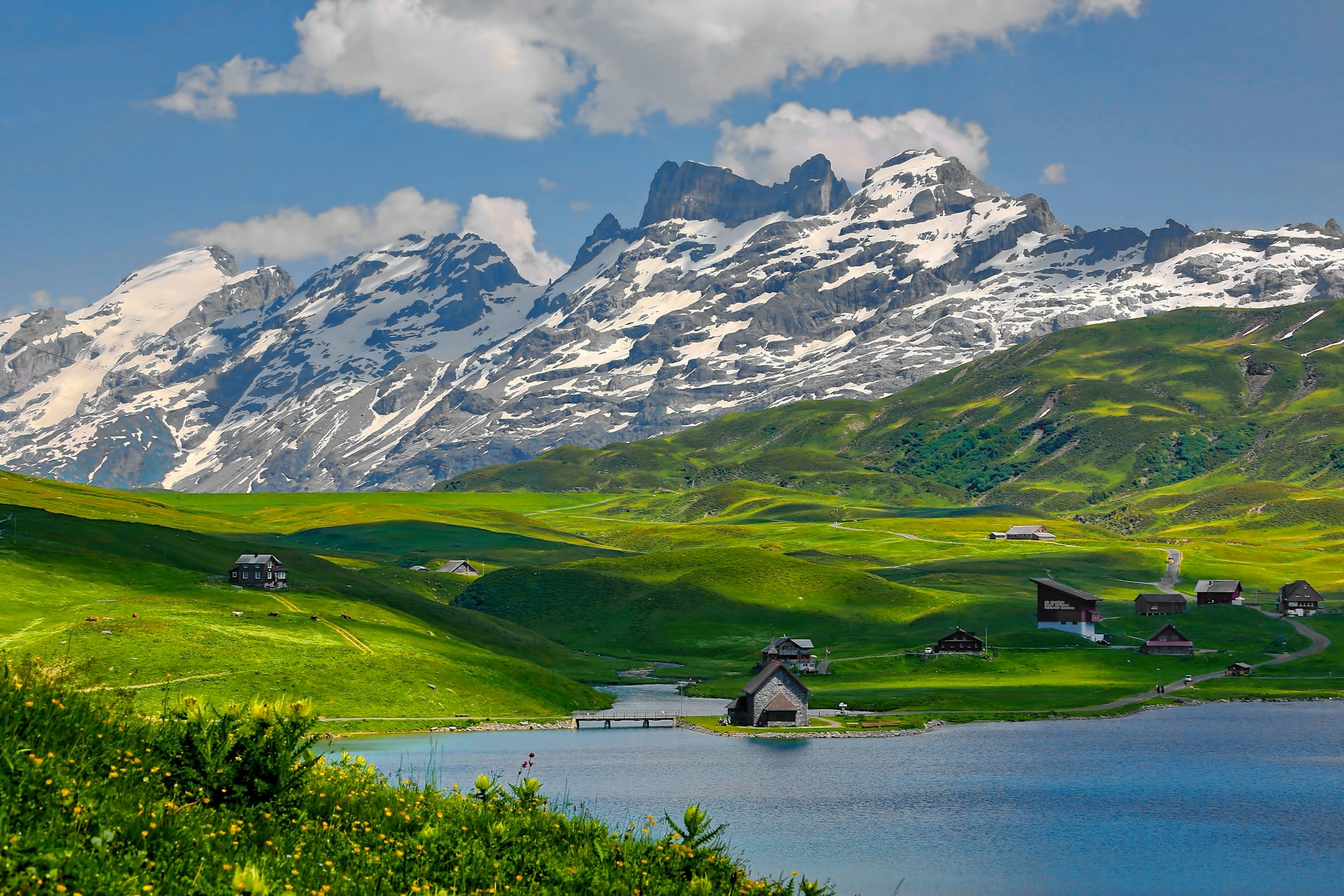
Switzerland is what happens when a country decides that scenery is infrastructure. The trains run to the glaciers, on time; the lake water is drinkable; the hiking trails are signposted to the minute. It is the easiest wilderness on Earth — and somehow the efficiency never diminishes the awe.
Yes, it's expensive. The counter-move is to travel like the Swiss: picnic from Coop and Migros supermarkets on the best-view benches in the world, buy the right rail pass, sleep in the car-free villages rather than the resort towns, and treat the mountains — which are free — as the main event.
A country that decided scenery is infrastructure.
Don't Miss
The Unmissables
The Bernese Oberland
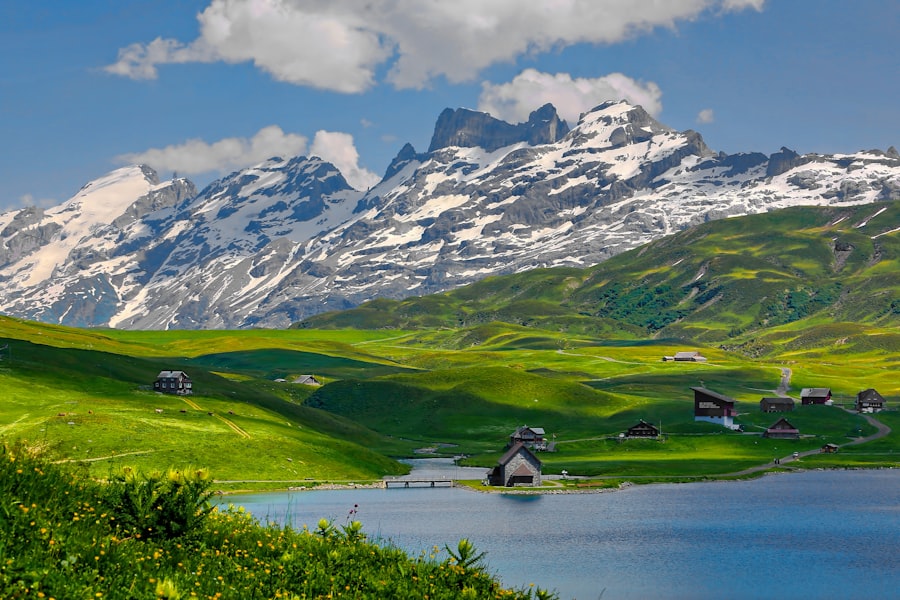
Grindelwald's meadows under the Eiger's mile-high north face, Lauterbrunnen's valley of 72 waterfalls, and car-free Mürren and Wengen hanging on the cliff shelves above. This is the Switzerland of the postcards, and the postcards undersell it.
Alpine lakes & morning swims
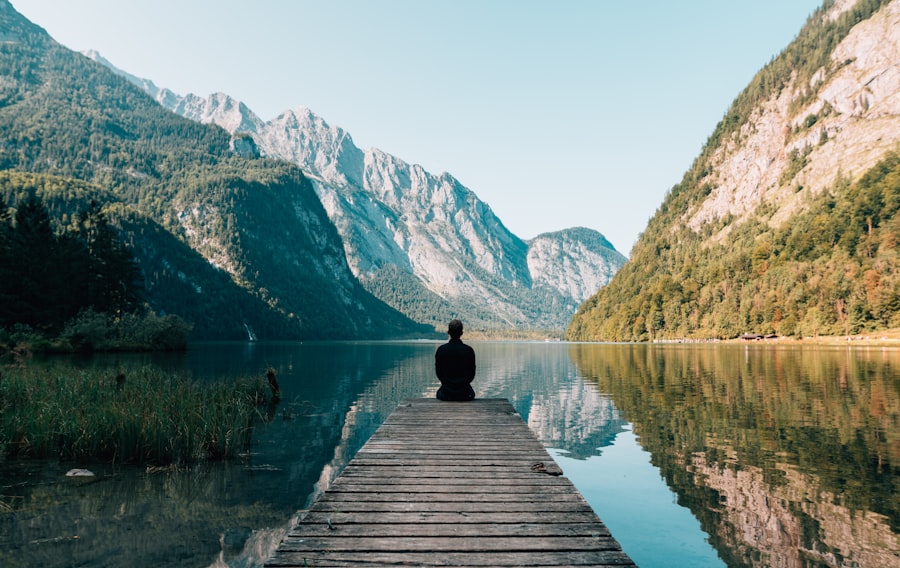
Brienz's impossible turquoise, Oeschinensee under its cirque of peaks, Lake Lucerne's fjord arms — Swiss lakes are glacier-fed, spotless and swimmable all summer. The morning dip followed by a bench picnic is the national art form.
The great mountain passes
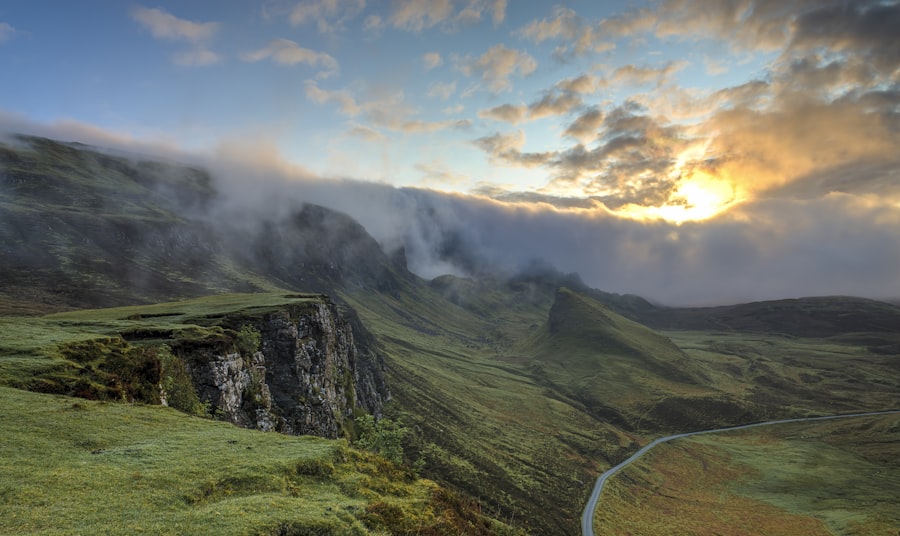
Furka, Grimsel, Susten — hairpins stacked on hairpins through rock and cloud, the drives that gave Goldfinger its opening. Go early-morning in September: empty roads, first snow dusting the peaks, valley fog burning off below you.
Winter, done properly
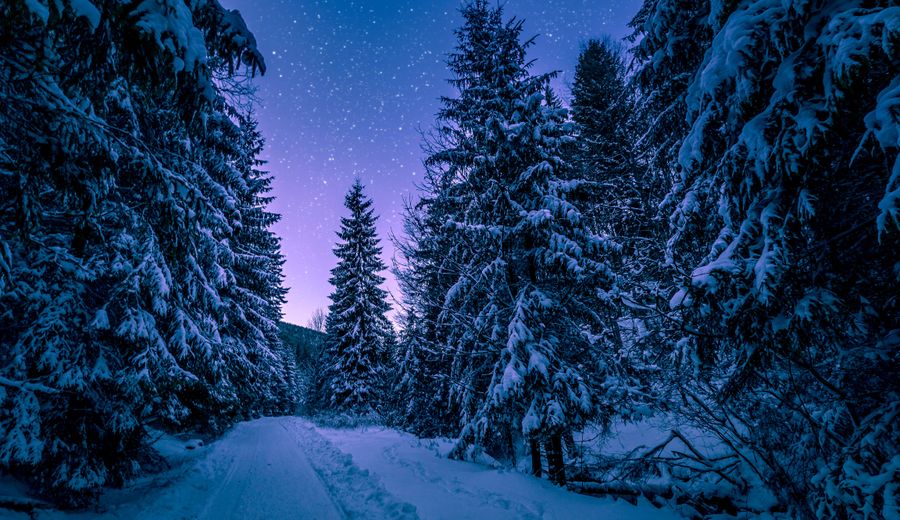
Not just skiing (though Zermatt and the Jungfrau region are world-class): night sledging under floodlights, fondue in timbered huts, the Glacier Express crawling through white silence for eight perfect hours between St. Moritz and Zermatt.
Timing Is Everything
When to Go
Summer
Trails snow-free by late June, lakes swimmable, lifts running everywhere. July–Aug is peak; September is the secret.
Winter
Ski season at full power, Christmas markets, the Alps in their white dress. Book resorts early.
Between seasons
Golden larches then grey skies; many mountain hotels and lifts close for maintenance.
Thaw
Valleys green and blooming while trails above 2,000m stay snowbound. Lake towns shine; summits wait.
The Route
The Perfect Switzerland Itinerary
Lucerne
Chapel Bridge, lake steamer to Mount Pilatus or Rigi, old-town evenings.
Bernese Oberland
Base in Lauterbrunnen or Wengen: Männlichen ridge walk, Schilthorn or Jungfraujoch, waterfall valley loop.
Zermatt
Car-free streets under the Matterhorn: Gornergrat railway at dawn, Five Lakes hike.
Glacier Express
The eight-hour panoramic crawl to St. Moritz — the journey as the destination.
Lake Geneva finish
Lavaux's UNESCO vineyard terraces, Chillon castle, Montreux lakefront.
Plan Your Spend
What Switzerland Costs
Backpacker
Hostels and mountain huts, supermarket picnics, Supersaver train tickets, free trails as the main activity.
Mid-range
Village guesthouses, Swiss Travel Pass, one big excursion (Jungfraujoch or Gornergrat), fondue nights.
Luxury
Belle Époque palaces on Lake Geneva, Zermatt five-stars with Matterhorn balconies, private guides.
Estimates per person, excluding international flights. Book stays via our partners to support free guides like this one.
Get the Switzerland Insider Brief
New guides, hidden spots and trip deals — weekly, free, unsubscribe anytime.