Asia · Destination Guide
South Korea
Palace mornings, neon nights & the culture the world binge-watches
South Korea compresses the full ancient-to-hypermodern spectrum into a country you can cross by train in three hours. Morning: a silent Joseon palace in hanbok-rental colour. Afternoon: a mountain-temple hike inside the city limits. Midnight: barbecue smoke, soju toasts and streets that treat sleep as optional.
The K-wave gets the headlines, but Korea's deepest exports are older: temple-stay dawns with monks, the world's most systematic barbecue culture, bathhouse (jjimjilbang) rituals, and a national talent for making everything — food, hiking, karaoke — communal.
The full ancient-to-hypermodern spectrum, crossable by train in three hours.
Don't Miss
The Unmissables
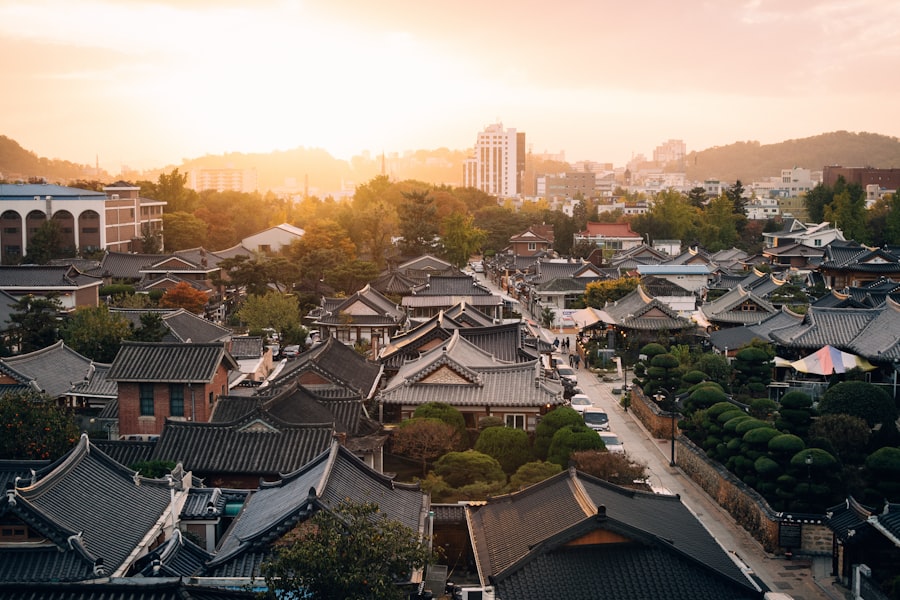
Gyeongbokgung & Bukchon
The great Joseon palace at changing-of-the-guard, then the hanok rooftops of Bukchon village tumbling toward downtown's towers — six centuries in one camera frame. Rent hanbok and palace entry is free; go before 10am for empty courtyards.
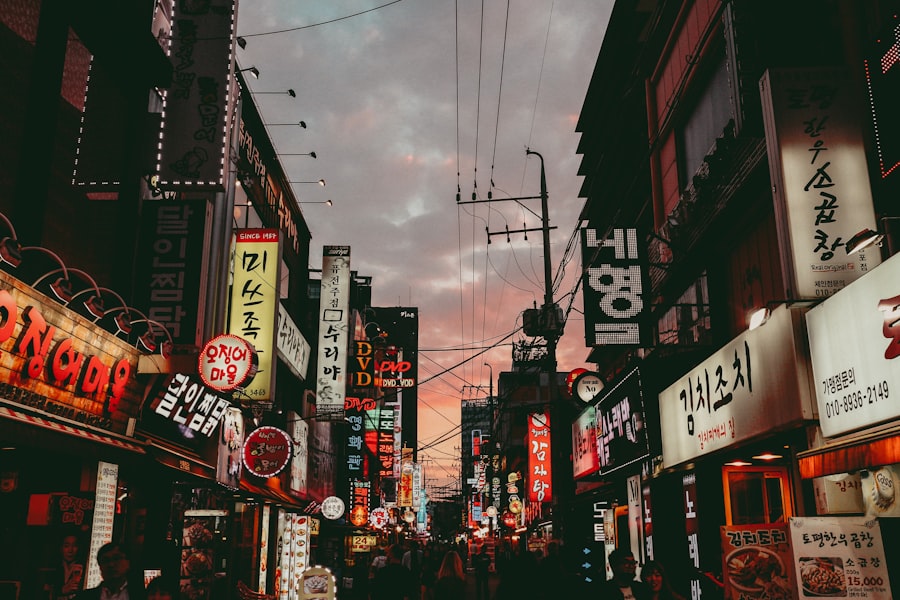
Seoul after dark
Hongdae's busker stages, Euljiro's hidden bars in printing alleys, late-night bibimbap in Gwangjang market, noraebang until your voice gives out. Seoul's nightlife isn't an activity; it's the city's second personality.
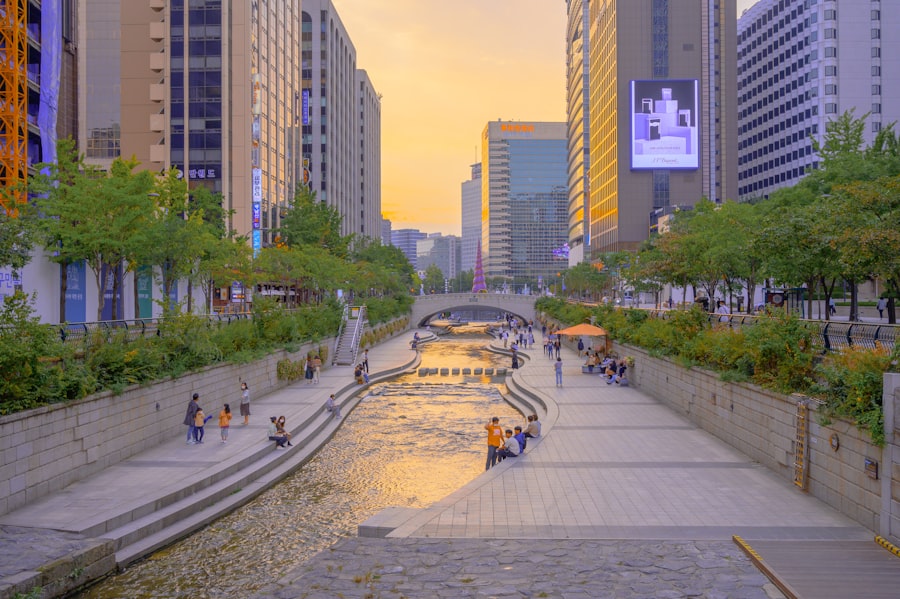
The Cheonggyecheon & urban calm
A highway demolished to daylight a stream — now 11km of lantern festivals, herons and office workers with lunchboxes, running below street level through the city's heart. Korea's knack for pocket serenity, downtown edition.
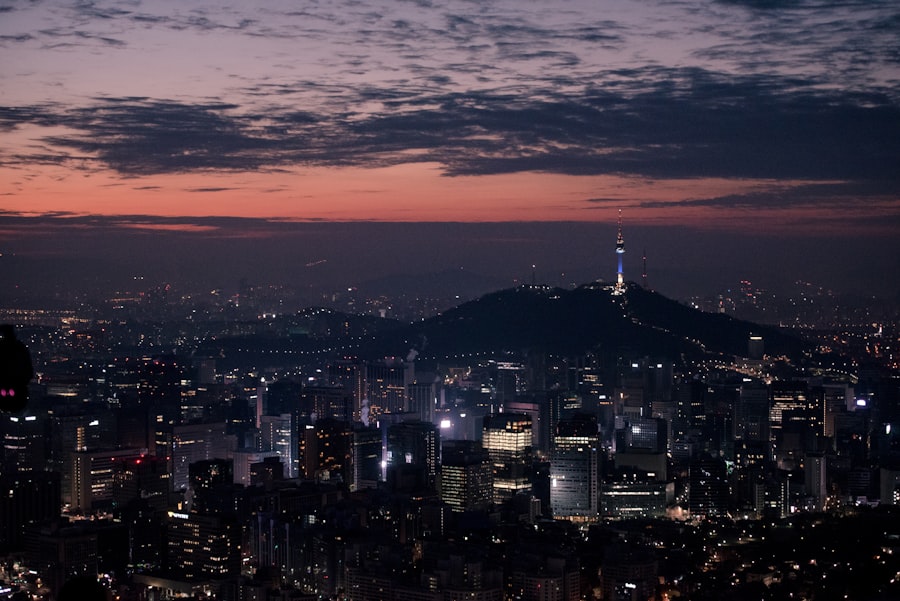
N Seoul Tower & the mountain city
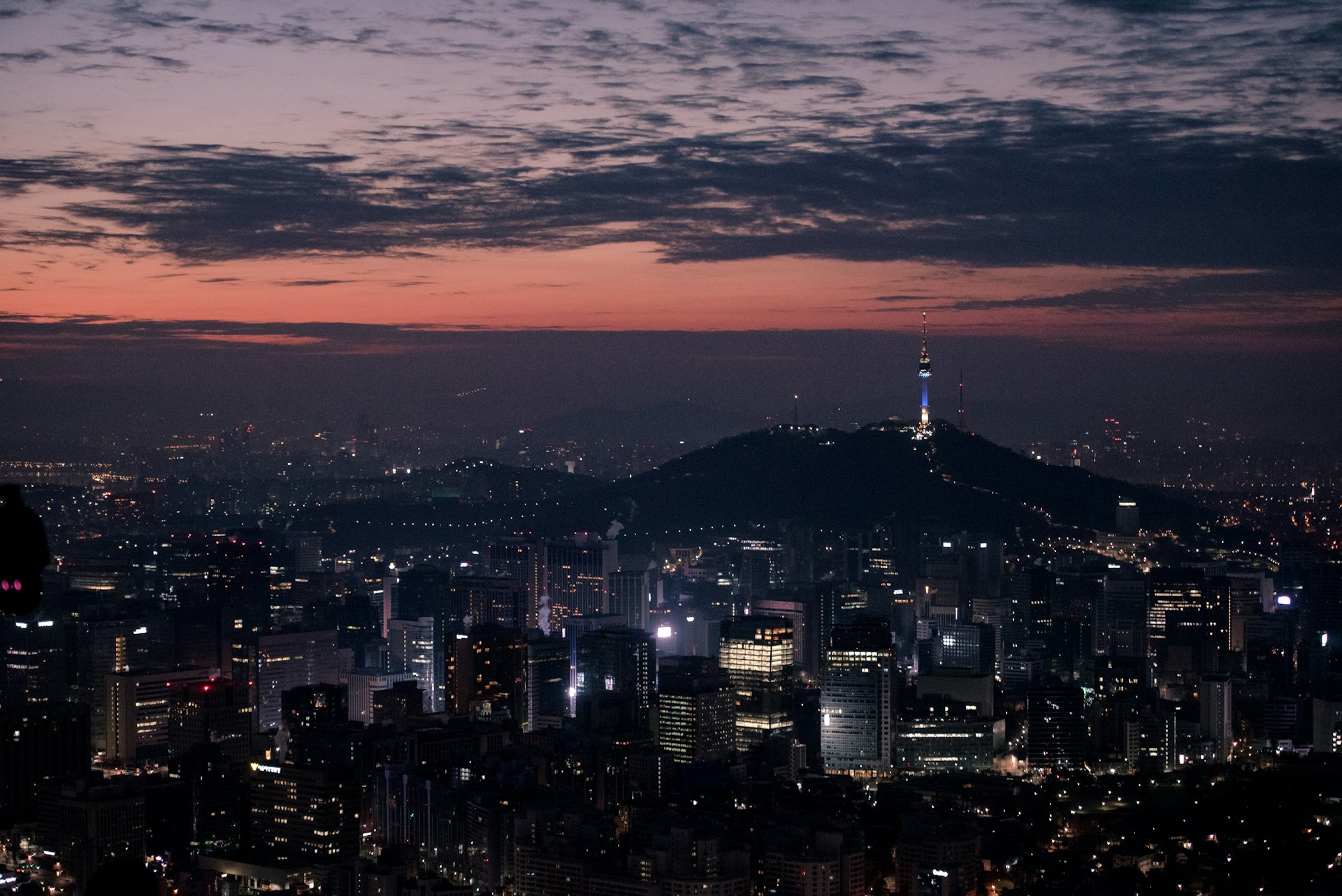
Seoul is ringed and pierced by real mountains — hike Bukhansan's granite domes with the (superbly equipped) locals, or take the Namsan cable car at dusk for the whole electric basin spread below.
Timing Is Everything
When to Go
Spring
Cherry blossoms sweep north through April; May is green perfection before summer humidity.
Autumn
Crimson maples on every mountainside, crisp air, festival season. Korea's most beautiful face.
Winter
Dry, cold and clear: ski resorts, steaming jjimjilbangs, street-food seasons (hotteok!).
Monsoon & heat
Jangma rains then tropical humidity. Jeju's beaches are the redemption.
The Route
The Perfect South Korea Itinerary
Seoul
Palaces and Bukchon, Gwangjang market, Hongdae nights, Bukhansan or Namsan for the views.
DMZ
The strangest day trip on Earth: tunnels, observatories, and binoculars into another world.
Gyeongju
KTX south: the "museum without walls" — royal tumuli, Bulguksa temple, lotus ponds.
Busan
Gamcheon's painted hillside, Haeundae beach, the world's largest department store, raw-fish market dinners.
Jeju Island
Fly out to the volcano isle: Hallasan crater hike, waterfall coast, haenyeo diving grandmothers.
Plan Your Spend
What South Korea Costs
Backpacker
Guesthouses and jjimjilbang overnights, kimbap and market meals, T-money transit everywhere.
Mid-range
Hanok stays, KTX trains, barbecue nights, a temple-stay and a Jeju hop.
Luxury
Signiel in the clouds, private DMZ tours, hanjeongsik royal-cuisine tasting courses.
Estimates per person, excluding international flights. Book stays via our partners to support free guides like this one.
Get the South Korea Insider Brief
New guides, hidden spots and trip deals — weekly, free, unsubscribe anytime.