Africa & Middle East · Destination Guide
Senegal
Atlantic music capital, pink lakes & slave-trade history on Gorée
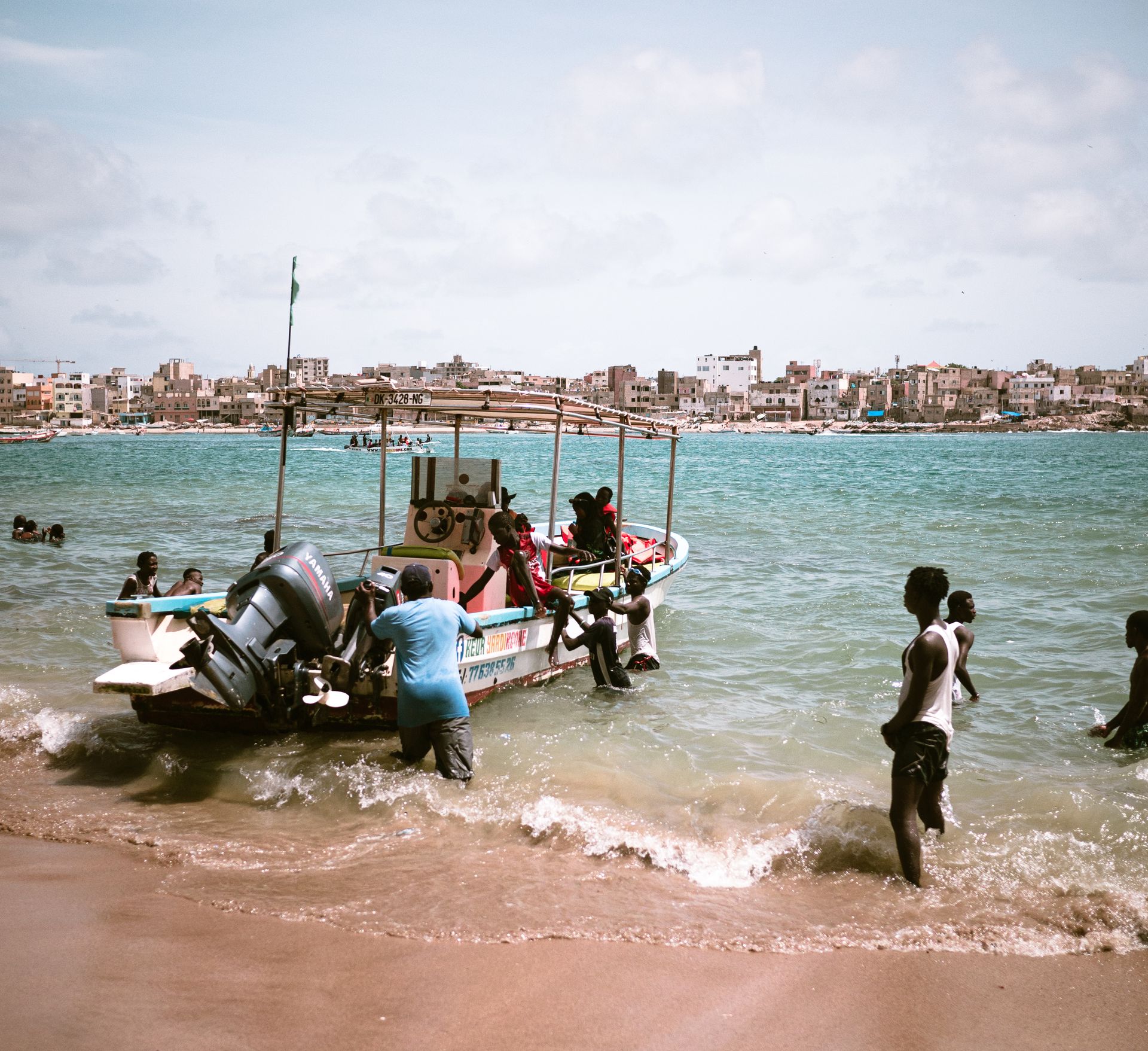
Senegal is West Africa at its most cultured and welcoming — the birthplace of mbalax music (Youssou N'Dour's homeland), a nation of teranga (the near-sacred Wolof concept of hospitality), and a country where French-colonial elegance, Islamic devotion and Atlantic rhythm blend on the westernmost tip of the continent.
Dakar's art-and-music energy anchors it, but the reach is wide: the achingly beautiful, painful history of Gorée Island; the faded colonial grandeur of Saint-Louis; a lake so salty it turns pink; and the Sine-Saloum delta's mangroves and birdlife. Stable, accessible and deeply soulful — the ideal first step into Francophone Africa.
West Africa at its most cultured — the homeland of mbalax and teranga.
Don't Miss
The Unmissables
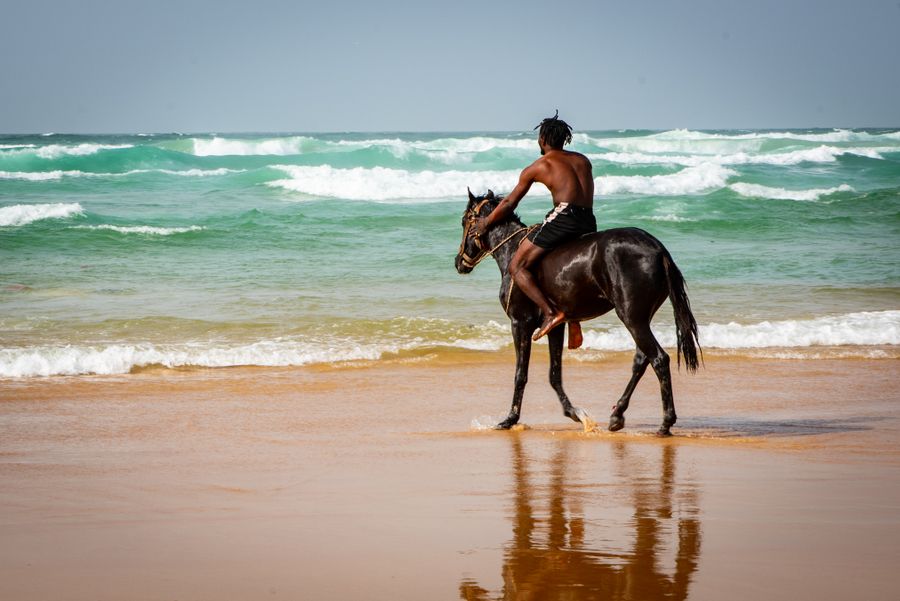
Dakar's creative pulse
The westernmost city in Africa throws itself into music, art and the Atlantic: the giant African Renaissance Monument, the Dakar Biennale's contemporary art, sabar drumming and mbalax clubs, surf breaks off Ngor and Yoff, and a food scene built around thieboudienne, the national fish-and-rice masterpiece.
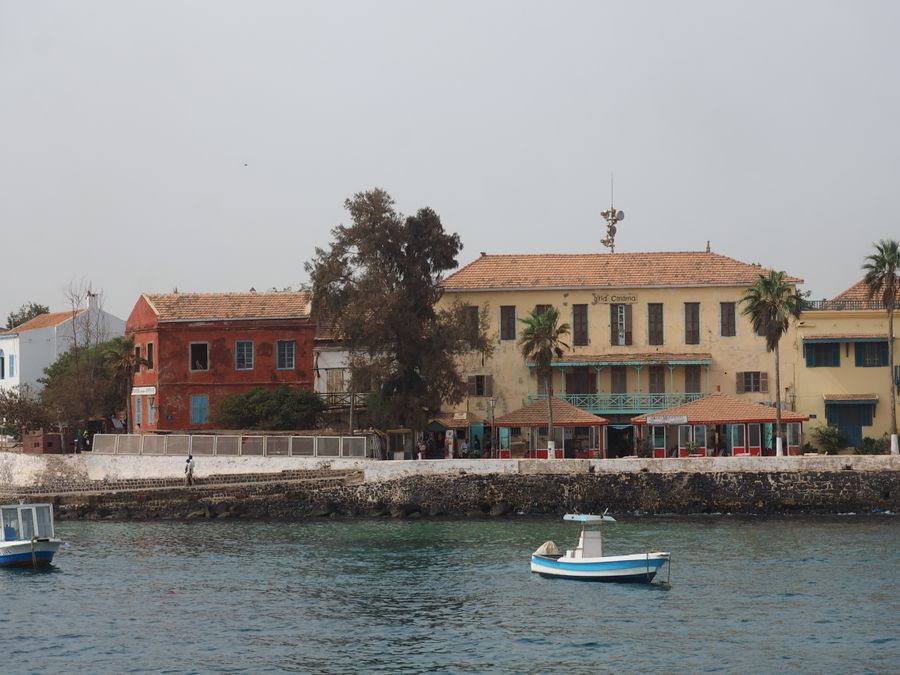
Gorée Island
A short ferry from Dakar, this car-free island of pastel colonial houses and bougainvillea holds the House of Slaves and its "door of no return" — beautiful and devastating in equal measure, a place of memory and pilgrimage that every visitor should experience.
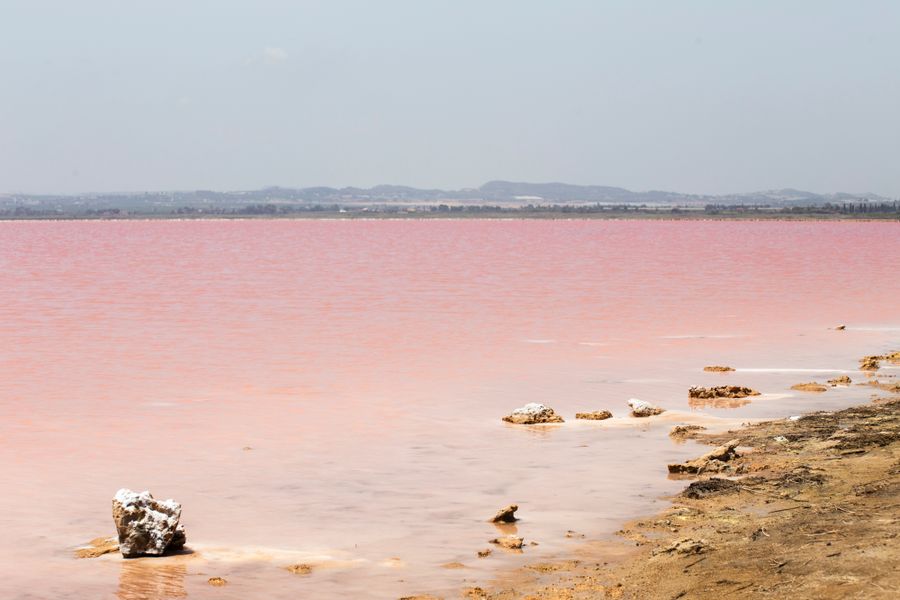
Lake Retba, the pink lake
Lac Rose blushes bubblegum pink under the right light — the work of salt-loving algae in water ten times saltier than the sea, once the finish line of the Dakar Rally. Watch salt-harvesters wade the shallows, and float effortlessly in the dense, rosy water.
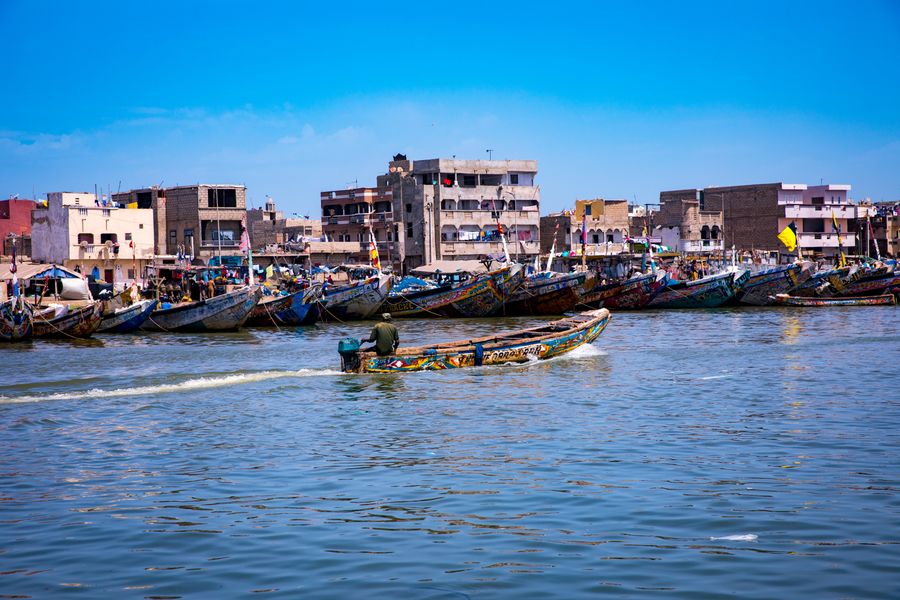
Saint-Louis & the delta
The faded UNESCO former colonial capital on an island in the Senegal River — pastel balconied houses, calèche horse carts, and a jazz festival heritage — plus the Djoudj bird sanctuary (a million migratory birds) and the mangrove maze of the Sine-Saloum delta to the south.
Timing Is Everything
When to Go
Cool dry season
Comfortable temperatures, best birdlife in the delta, festival season. The prime window.
Warm dry
Hotter but dry; whale and turtle activity, fewer travelers.
Rainy season
Humid with heavy downpours, lush landscapes, some delta roads tricky.
Jazz festival
The famous international jazz festival lights up the old colonial town.
The Route
The Perfect Senegal Itinerary
Dakar
Renaissance Monument, markets and art, sabar drumming night, Gorée Island day trip.
Lake Retba
The pink lake and salt harvesters, dune-and-beach drive to the ocean.
Saint-Louis
Colonial old town, Djoudj bird sanctuary, calèche rides and river sunsets.
Sine-Saloum delta
Mangrove pirogue trips, shell islands, birdlife and fishing-village calm.
Plan Your Spend
What Senegal Costs
Backpacker
Guesthouses and campements, thieboudienne and street food, sept-place shared taxis, Gorée ferry.
Mid-range
Boutique Dakar and Saint-Louis stays, private driver, delta lodges, guided bird and history tours.
Luxury
Radisson Dakar, luxury Sine-Saloum eco-lodges, private cultural and music-scene guides.
Estimates per person, excluding international flights. Book stays via our partners to support free guides like this one.
Get the Senegal Insider Brief
New guides, hidden spots and trip deals — weekly, free, unsubscribe anytime.