Oceania · Destination Guide
Papua New Guinea
A thousand cultures, tribal sing-sings & untouched coral reefs
Papua New Guinea is one of the last great frontiers of travel — a rugged half-island nation of soaring highlands, steaming jungles and remote coral coasts that is home to over 800 languages, more than a tenth of all those spoken on Earth, and a bewildering, brilliant diversity of tribal cultures.
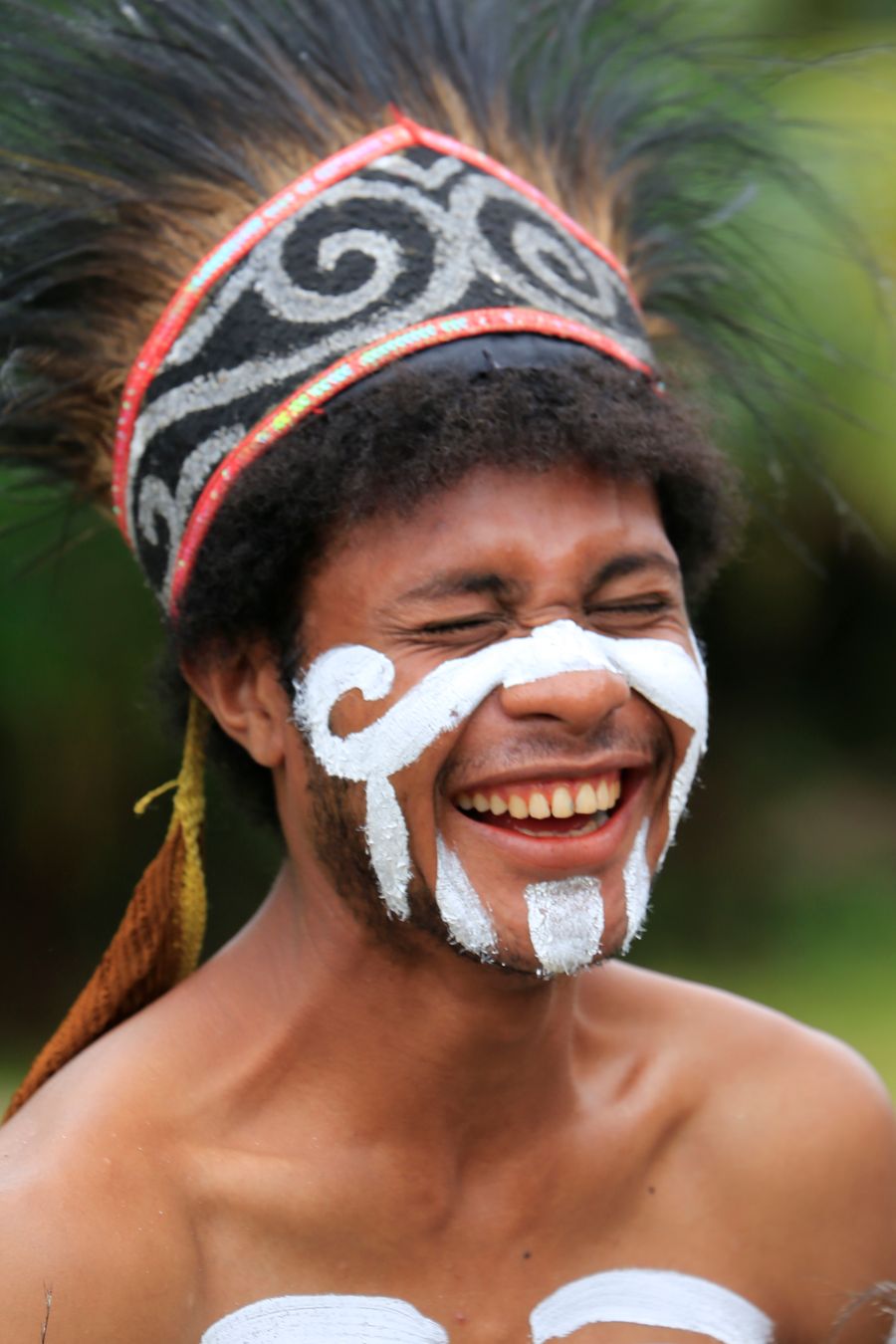
This is a place for the intrepid: the spectacular "sing-sing" gatherings where highland clans paint their faces and don towering feather headdresses, the WWII history and gruelling Kokoda Track, the Sepik River's spirit houses and carvers, and — offshore — some of the richest, least-dived coral reefs in the world. Challenging, costly and utterly extraordinary, PNG rewards those who make the effort like nowhere else.
Over 800 languages — more than a tenth of all those spoken on Earth.
Don't Miss
The Unmissables
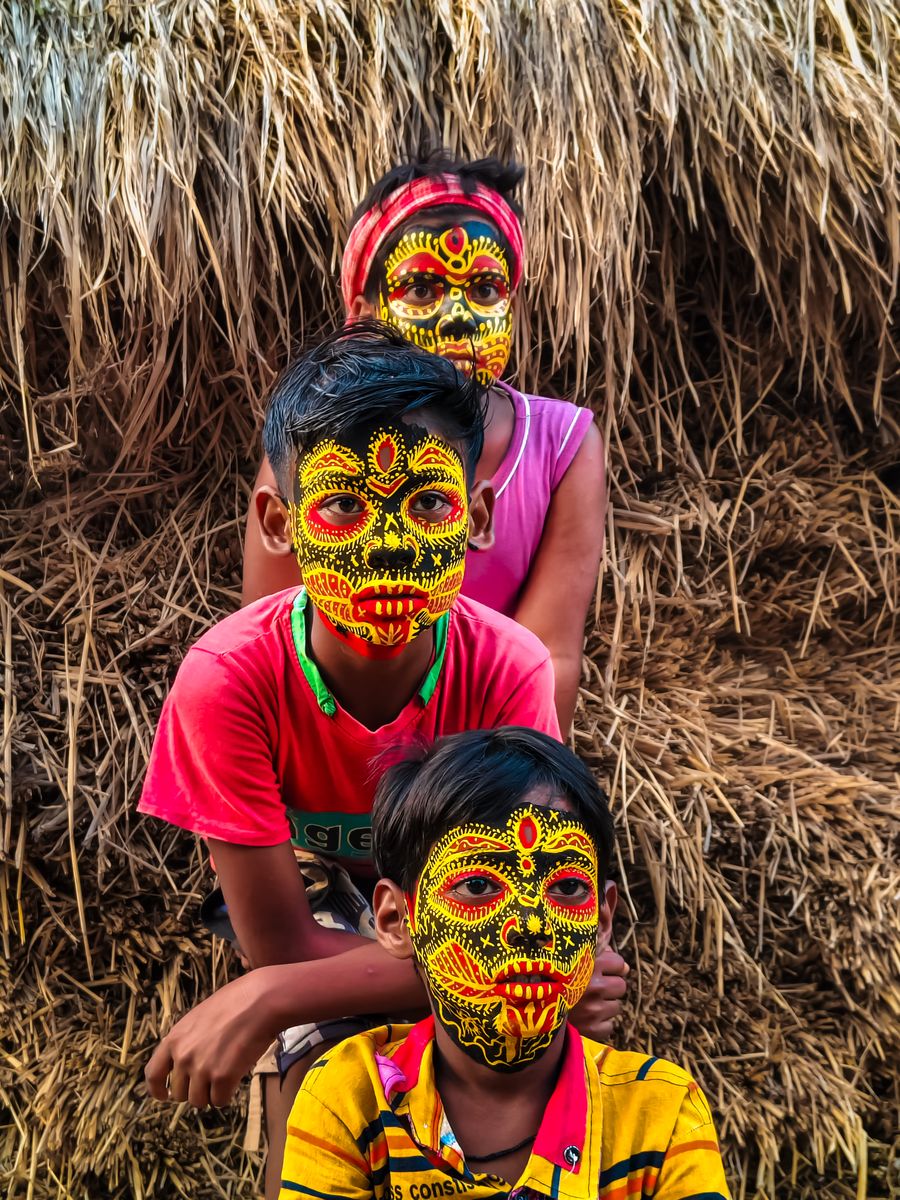
Highland sing-sings
The cultural spectacle of the Pacific — at the Goroka and Mount Hagen festivals, dozens of highland clans gather to dance, drum and display, faces painted and bodies adorned with birds-of-paradise plumes, shells and towering headdresses. A dazzling, thunderous celebration of a thousand distinct cultures in one place.
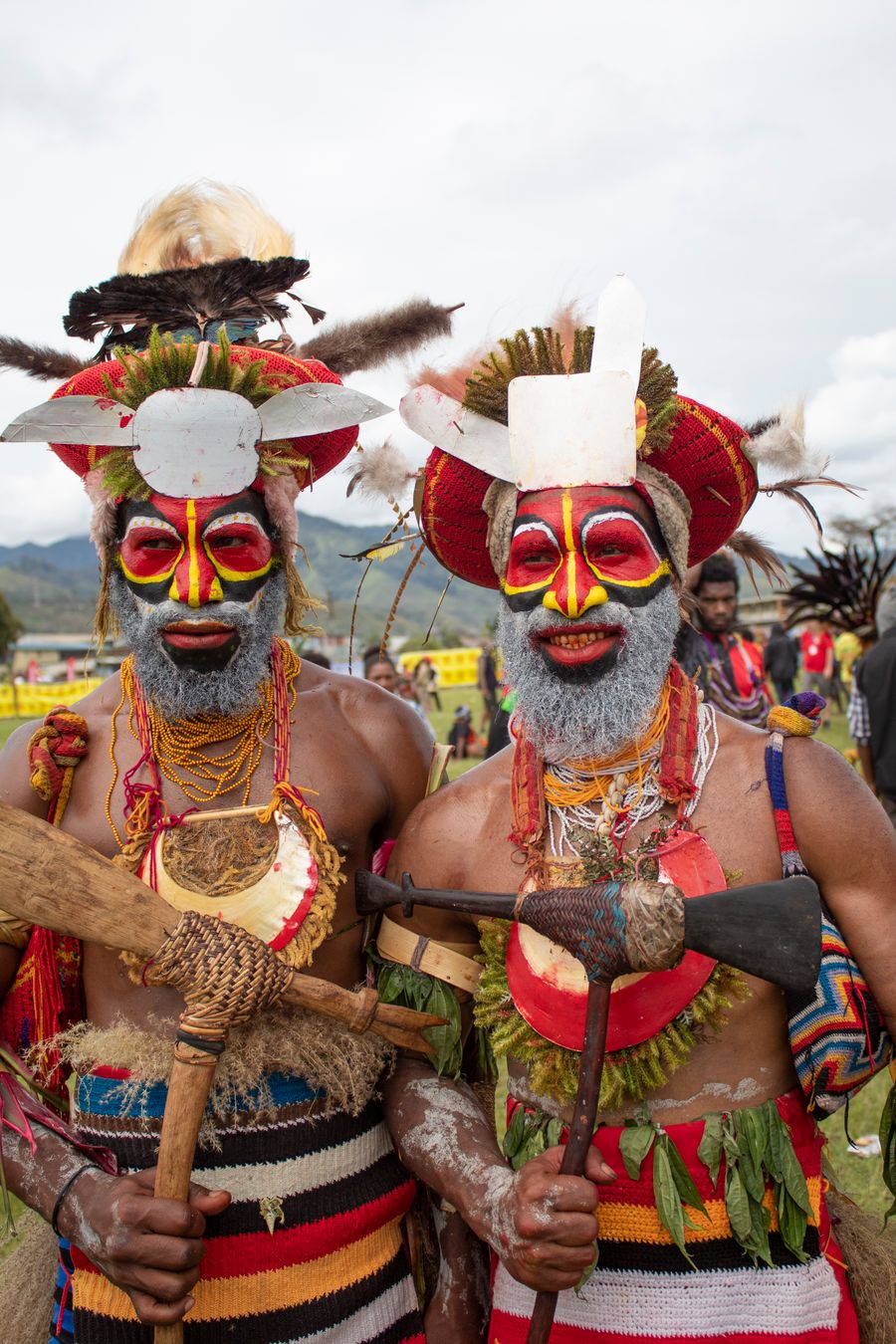
The Highlands
A world apart — mist-wreathed valleys and mountains where fortified villages, sweet-potato gardens and fiercely distinct clans endure ways of life little changed for millennia. First contacted by the outside world only in the 1930s, the PNG highlands remain among the planet's most culturally intact regions.
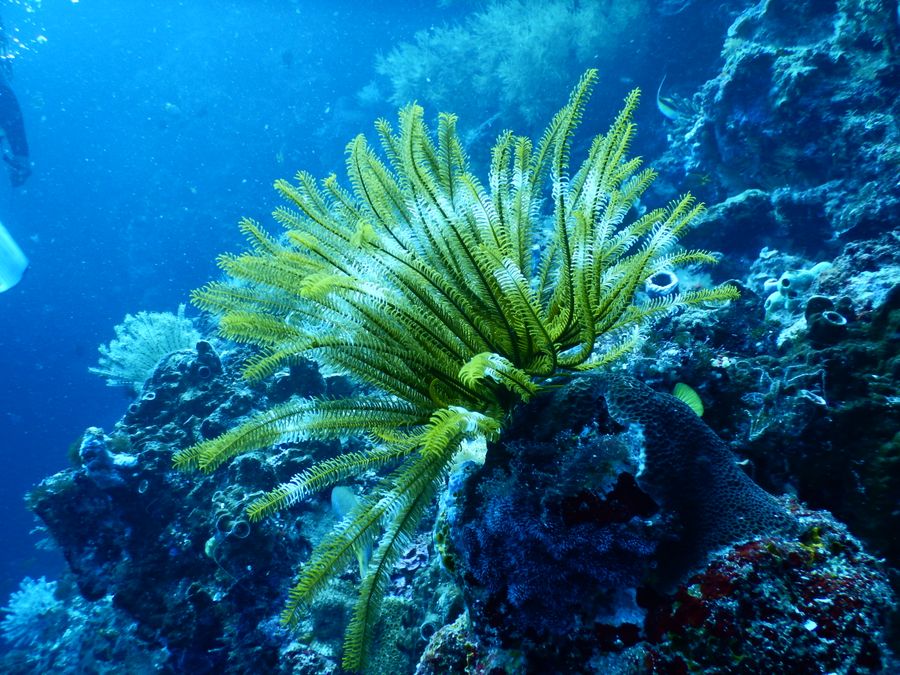
Coral reef diving
PNG sits within the Coral Triangle and offers some of the world's richest, least-touched diving — Kimbe Bay, Milne Bay and the Tufi fjords teem with reef fish, muck-diving critters, WWII wrecks and vast coral gardens. Warm water, huge biodiversity and almost no other divers.
The Sepik & Kokoda
The mighty Sepik River winds through a world of stilt villages, haus tambaran spirit houses and master woodcarvers — a journey by dugout into deep tradition. For a different challenge, the Kokoda Track retraces a brutal, moving WWII campaign across the Owen Stanley Range in eight jungle days.
Timing Is Everything
When to Go
Dry season
Drier, cooler and best for the highlands, trekking and festivals — the prime window.
Festival season
The great Mount Hagen and Goroka sing-sings fall in this window — plan around them.
Shoulder
Warming or wetter at the season's edges; coastal diving stays good much of the year.
Wet season
Hot, humid and rainy, with tougher road and trail conditions in the interior.
The Route
The Perfect Papua New Guinea Itinerary
Port Moresby & around
The National Museum, Varirata National Park, and the start of the Kokoda story.
The Highlands
Goroka or Mount Hagen — a sing-sing festival, village visits and mountain scenery.
Reef or river
Dive Kimbe or Milne Bay, or journey the Sepik by dugout among spirit houses and carvers.
Plan Your Spend
What Papua New Guinea Costs
Adventurer
Guesthouses and village stays, PMV shared trucks, market food — though logistics in PNG are demanding.
Mid-range
Lodges, domestic flights (essential and pricey), guides, festival access, Sepik trips.
Luxury
Dive liveaboards, fly-in highland and river lodges, private guides and full logistics.
Estimates per person, excluding international flights. Book stays via our partners to support free guides like this one.
If You Love Papua New Guinea, Try…
Get the Papua New Guinea Insider Brief
New guides, hidden spots and trip deals — weekly, free, unsubscribe anytime.