Asia · Destination Guide
Nepal
Everest, Annapurna & the trekking capital of Earth
Nepal holds eight of the world's fourteen highest peaks, and something shifts in travelers who stand among them — a recalibration of scale that no photograph transmits. This is the trekking capital of the planet, where a two-week walk delivers you to the base of Everest through Sherpa villages, prayer-flagged passes and rhododendron forest, all supported by the warmest trail culture anywhere.
But Nepal is more than the mountains: Kathmandu's medieval Durbar squares and living-goddess temples, jungle safaris for rhino and tiger in the Terai lowlands, and a spiritual density — Hindu and Buddhist woven together — that gives even a short visit real weight.
A recalibration of scale that no photograph transmits.
Don't Miss
The Unmissables
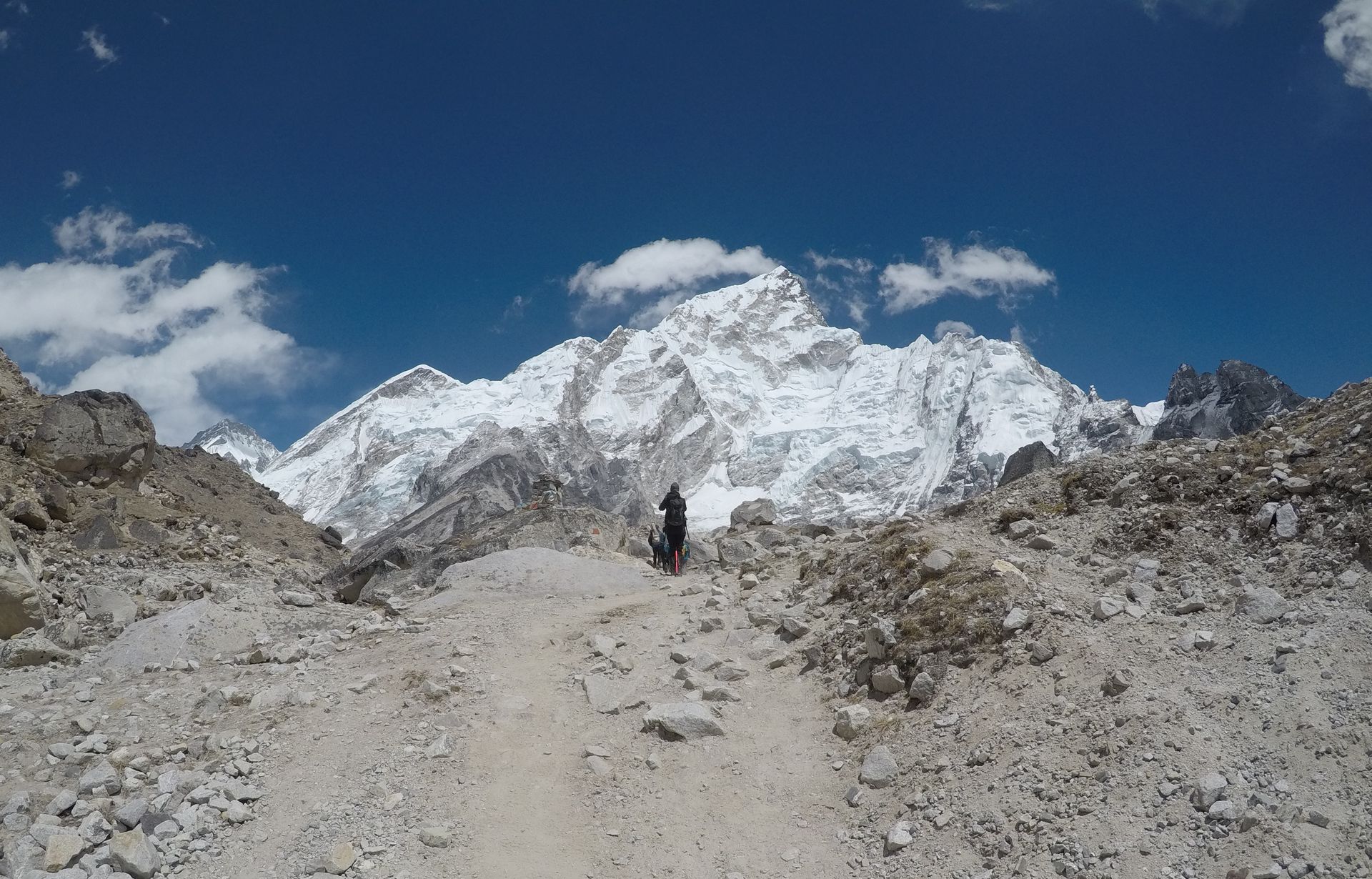
Everest Base Camp trek
The pilgrimage: twelve days from Lukla's cliff-edge airstrip through Namche Bazaar to the 5,364m base camp and the Kala Patthar viewpoint, where Everest finally reveals its summit at sunrise. No technical skill needed — just acclimatisation, patience, and legs. Teahouse nights and dal bhat fuel the whole thing.
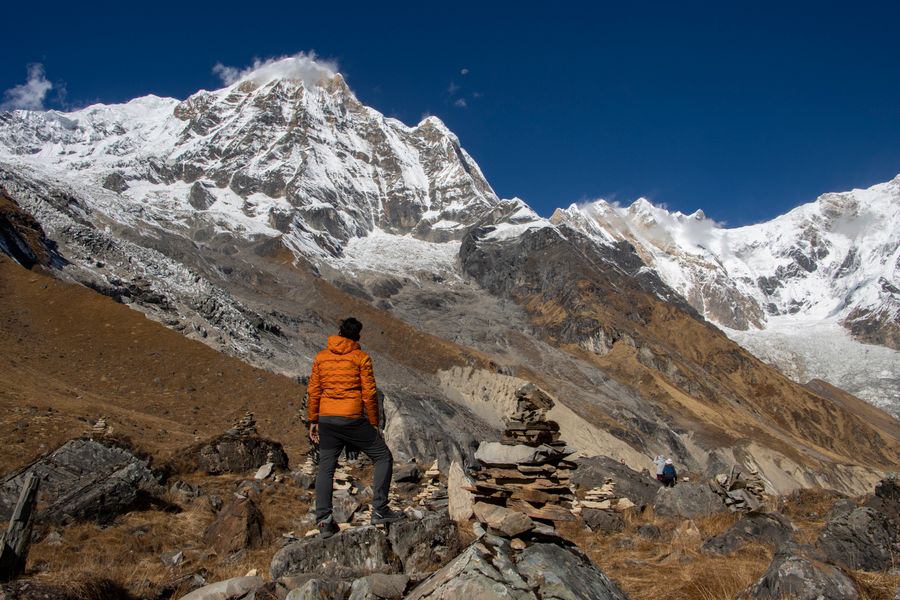
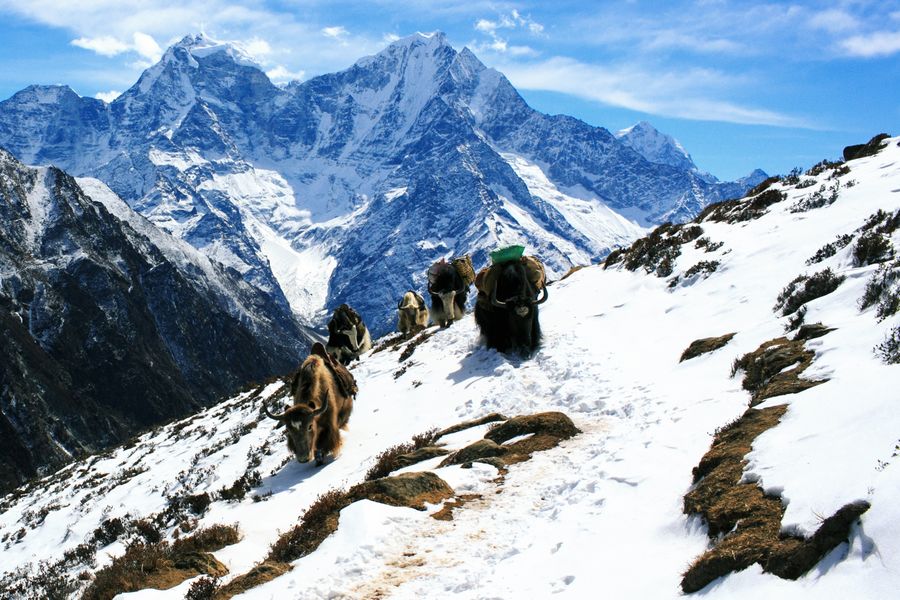
The Annapurna Circuit
The connoisseur's alternative: a loop through the deepest gorge on Earth, over the 5,416m Thorong La pass, past apple orchards and Tibetan-influenced villages. The shorter Poon Hill and Annapurna Base Camp treks pack sunrise-on-giants magic into under a week.
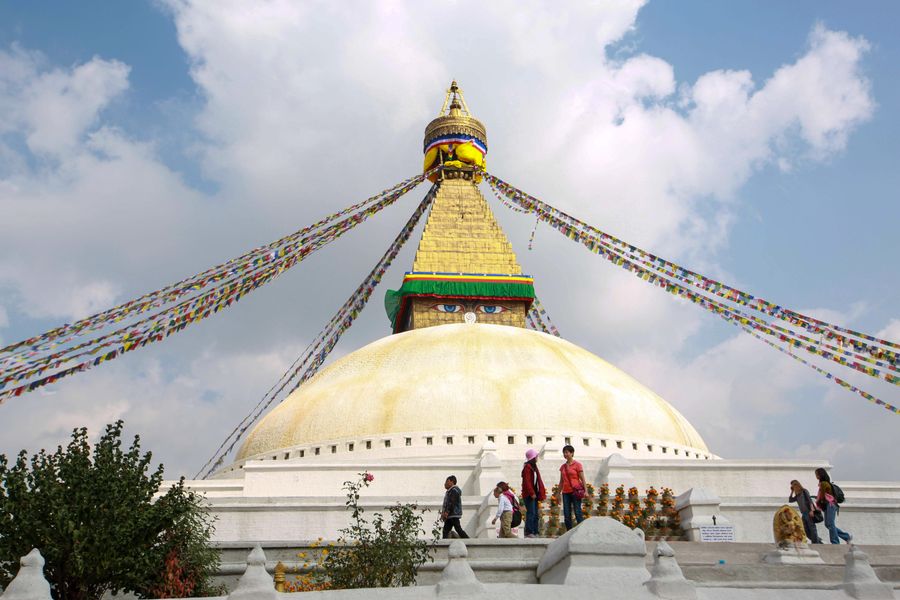
Kathmandu Valley's temple cities
Boudhanath's great white stupa circled by pilgrims at dusk, the medieval Durbar squares of Bhaktapur and Patan, Pashupatinath's riverside cremation ghats — a UNESCO cluster of seven sites where the sacred and the everyday share every alley.
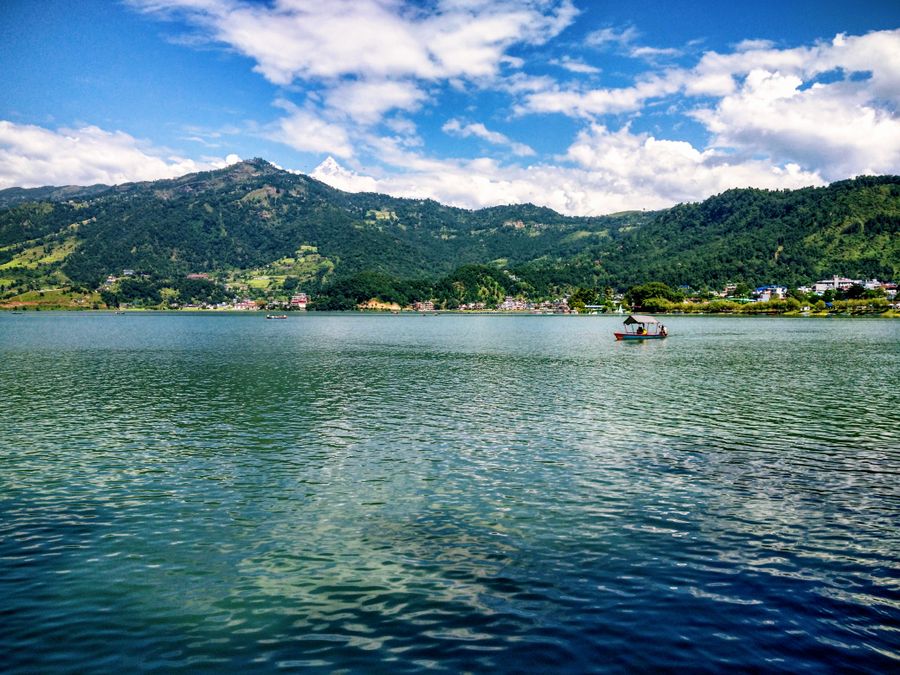
Pokhara & the lakeside pause
The trekking gateway doubles as the perfect recovery: Phewa Lake reflecting the Annapurnas, paragliding off Sarangkot with vultures for company, and a laid-back café strip built for post-trek legs. The Peace Pagoda sunrise is the reward for one more short climb.
Timing Is Everything
When to Go
Post-monsoon
The prime trekking window: crystal air, stable weather, unbeatable mountain clarity. Book teahouses ahead.
Spring
Rhododendrons in bloom on the trails, warm days, second-best visibility. Slightly hazier than autumn.
Winter
Clear but cold; high passes may close with snow. Lower treks and the valley shine.
Monsoon
Rain, leeches and cloud-hidden peaks — though the rain-shadow Mustang region stays trekkable.
The Route
The Perfect Nepal Itinerary
Kathmandu
Boudhanath and Pashupatinath, Bhaktapur's Durbar Square, Thamel gear-shopping for the trek.
The trek
Everest Base Camp or Annapurna Circuit — the reason you came, one teahouse at a time.
Pokhara
Lakeside decompression, Sarangkot sunrise, paragliding, Peace Pagoda.
Chitwan
Terai jungle finale: rhinos, elephants and — if lucky — a tiger's pugmark, from a canoe and a jeep.
Plan Your Spend
What Nepal Costs
Backpacker
Guesthouses ($5-10), dal bhat power (endless refills), teahouse treks $25-35/day, local buses.
Mid-range
Boutique Kathmandu heritage hotels, guided treks with porter, domestic flights to Lukla/Pokhara.
Luxury
Dwarika's palace hotel, luxury lodge treks (Ker & Downey), Everest scenic flights and heli tours.
Estimates per person, excluding international flights. Book stays via our partners to support free guides like this one.
Get the Nepal Insider Brief
New guides, hidden spots and trip deals — weekly, free, unsubscribe anytime.