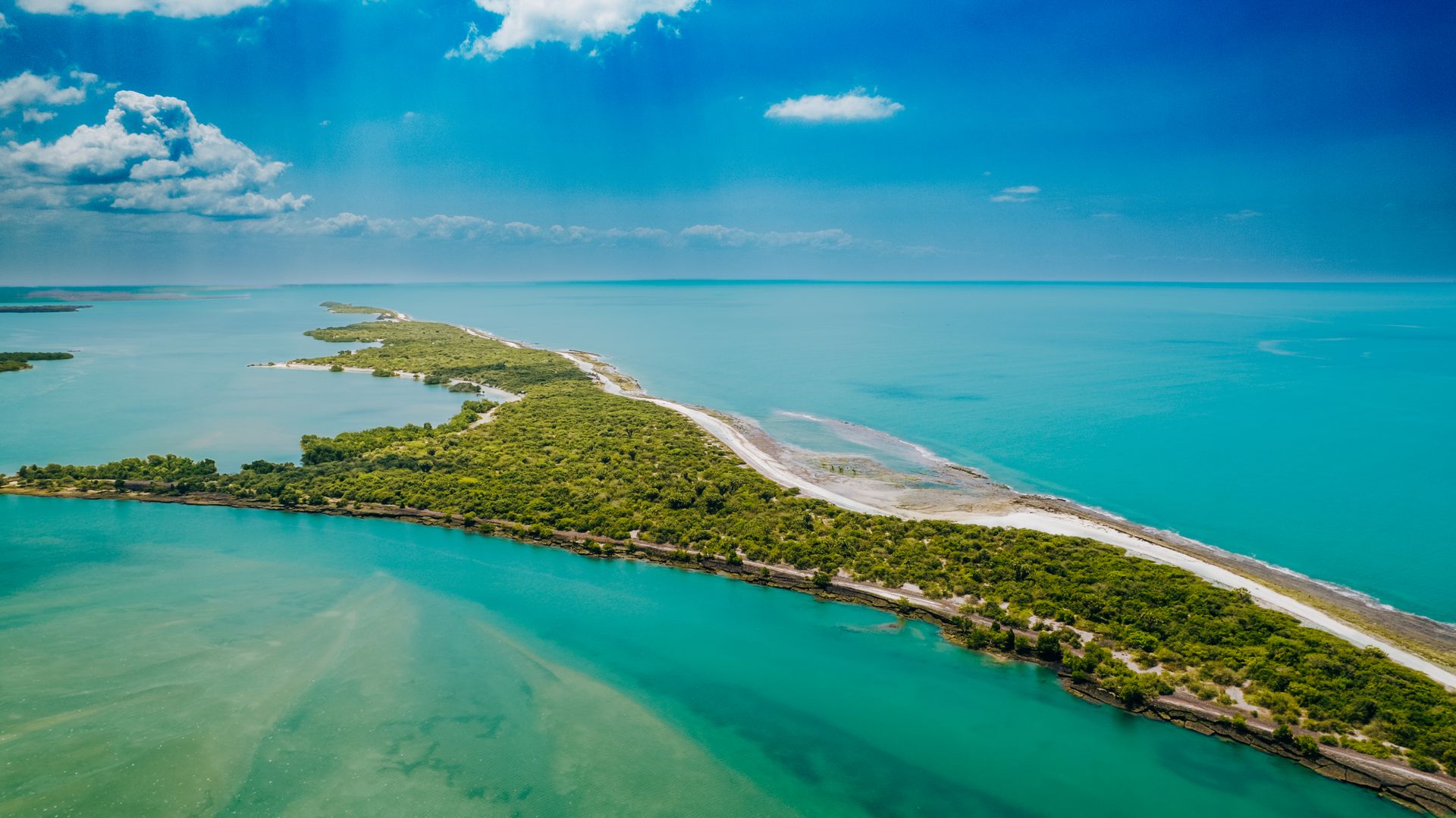
Africa & Middle East · Destination Guide
Mozambique
Dhow sails, Bazaruto's dunes & Indian Ocean reefs off the map
Mozambique is Southern Africa's barefoot secret — 2,500 kilometres of Indian Ocean coastline strung with palm-fringed beaches, coral archipelagos and Swahili-Portuguese history, still gloriously undeveloped where its neighbours have polished themselves smooth. Dhows sail as they have for centuries, whale sharks and manta rays cruise the reefs, and the pace of "pole pole" (slowly, slowly) recalibrates you within a day.
It asks a bit more effort and its history is complicated, but the reward is Africa's dreamiest, least-crowded coast: the sandbar dunes of the Bazaruto Archipelago, the diving and whale sharks of Tofo, and the atmospheric old Stone Town of Ilha de Moçambique. Prawns, peri-peri, Portuguese wine and a hammock — the good life, African-Indian-Ocean style.
Southern Africa's barefoot secret — 2,500 kilometres of undeveloped Indian Ocean coast.
Don't Miss
The Unmissables
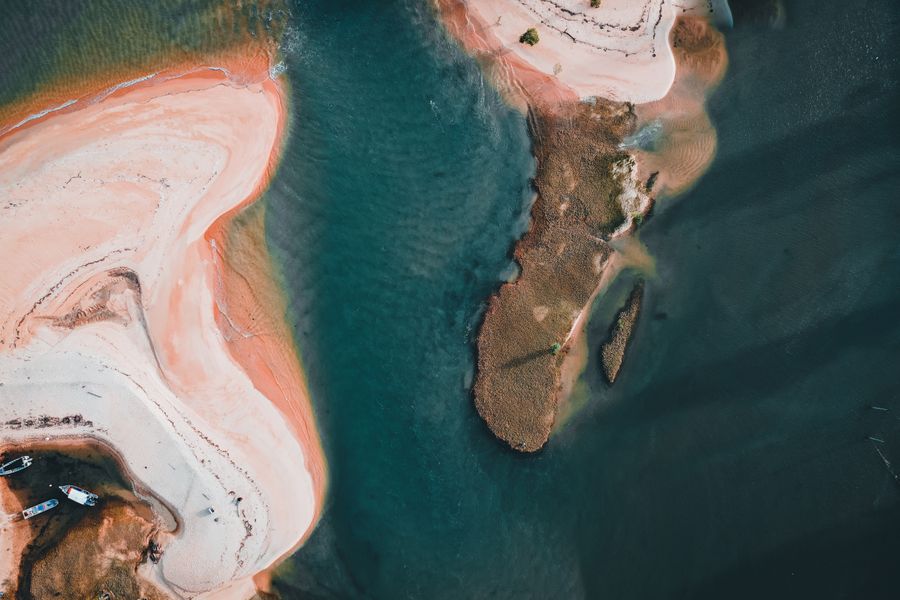
The Bazaruto Archipelago
A chain of islands where towering dunes rise straight from turquoise sandbars, dhows drift on the tide, and the reefs shelter dugongs, mantas and 2,000 fish species. Fly-in luxury lodges and day-trips from Vilankulo access one of the Indian Ocean's most pristine marine parks — the barefoot-glamour heart of Mozambique.
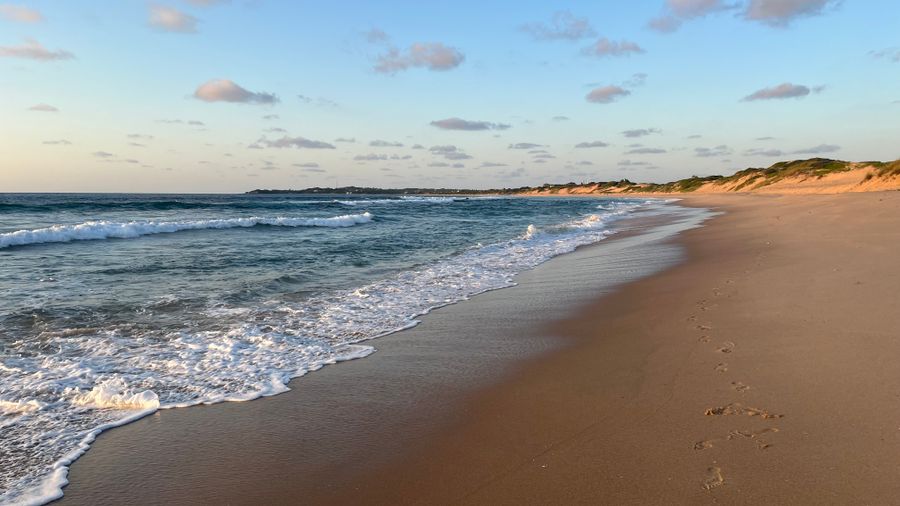
Tofo & the whale sharks
A laid-back beach town on the southern coast that's become a diving mecca — reliable year-round whale sharks and seasonal manta rays glide the reefs, humpbacks pass offshore (Jun–Oct), and the sand-street village keeps a backpacker-meets-seafood soul. The Indian Ocean at its most accessible and rich.
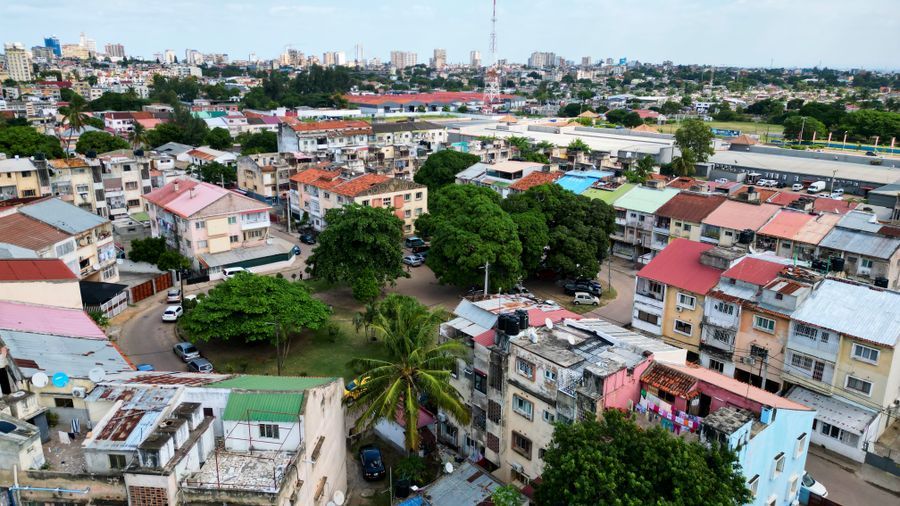
Ilha de Moçambique
A tiny UNESCO island that was the Portuguese capital of East Africa for four centuries — a crumbling, atmospheric Stone Town of coral-rag churches, a vast fort, and a Macuti reed-house quarter, all steeped in Swahili-Arab-Portuguese history and connected to the mainland by a long causeway. Unforgettable and off the map.
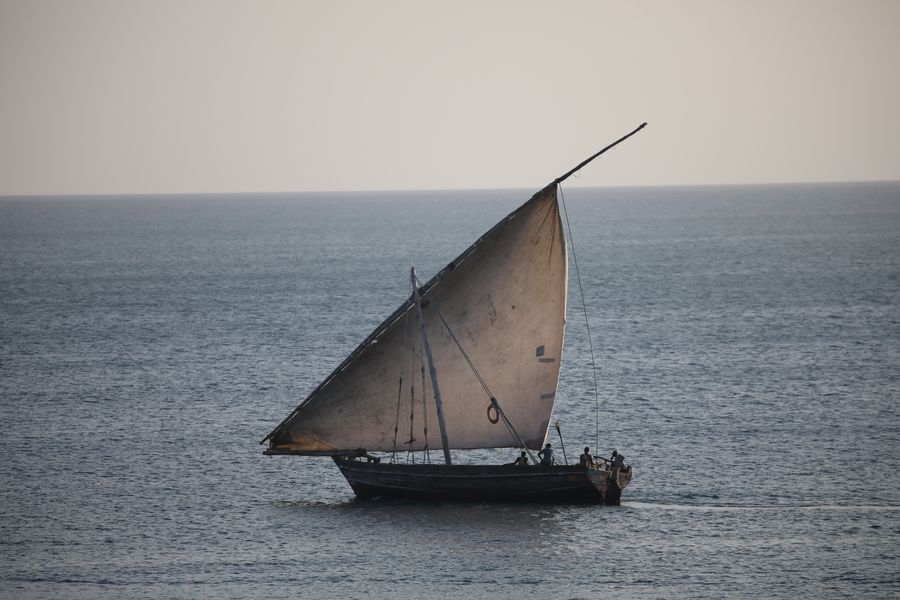
Dhow sails & the slow coast
The enduring image of Mozambique: a lateen-sailed dhow gliding across a shallow, gold-lit lagoon. Sail to a sandbank for a fresh-grilled seafood lunch, snorkel deserted reefs, and let the coastal rhythm — prawns, peri-peri, cold 2M beer, a hammock — dissolve any schedule you arrived with.
Timing Is Everything
When to Go
Dry season
Sunny, dry, calm seas for diving and sailing, comfortable temperatures. The prime window.
Peak
Humpback whales pass the coast, best reef visibility, cool nights — the diver's and beach-lover's sweet spot.
Shoulder
Warm, mostly dry edges of the season, whale sharks reliable, softer prices.
Wet/cyclone season
Hot, humid, with heavy rain and cyclone risk on the coast — cheaper but riskier.
The Route
The Perfect Mozambique Itinerary
Maputo
The faded-grand capital: the fish market, colonial architecture, iron train station, live marrabenta music.
Tofo
Whale-shark and manta dives, the beach village, dhow trips and fresh seafood.
Vilankulo & Bazaruto
Dhow sail to the archipelago's dunes and sandbars, snorkelling, barefoot island days.
Ilha de Moçambique (extended)
Fly north to the historic island Stone Town — deep history and Indian-Ocean atmosphere.
Plan Your Spend
What Mozambique Costs
Backpacker
Beach backpackers and casas, prawns and peri-peri, chapas minibuses, snorkelling and dhow day-trips.
Mid-range
Beach lodges, diving packages, Bazaruto day-boats, private transfers, island stays.
Luxury
Bazaruto and Quirimbas island resorts (andBeyond, Azura), fly-in dhow safaris, private-island exclusivity.
Estimates per person, excluding international flights. Book stays via our partners to support free guides like this one.
Get the Mozambique Insider Brief
New guides, hidden spots and trip deals — weekly, free, unsubscribe anytime.