
Africa & Middle East · Destination Guide
Madagascar
Lemurs, baobab avenues & a wildlife world found nowhere else
Madagascar split from Africa 160 million years ago and evolved into a world apart: nine in ten of its species exist nowhere else on Earth. Lemurs leap through spiny forests, chameleons the size of a fingernail cling to twigs, baobabs stand in silhouetted avenues, and limestone pinnacles form forests of stone. It is the planet's ultimate destination for the traveler hungry for the genuinely, wildly different.
It is not easy — the roads are rough, the distances long, the infrastructure thin — but that friction is the price of the world's most unique wildlife and a Malagasy culture (a blend of African and Southeast Asian roots) as singular as its animals. Come for the lemurs; stay for a place that feels like nowhere else.
A world apart — nine in ten of its species exist nowhere else on Earth.
Don't Miss
The Unmissables
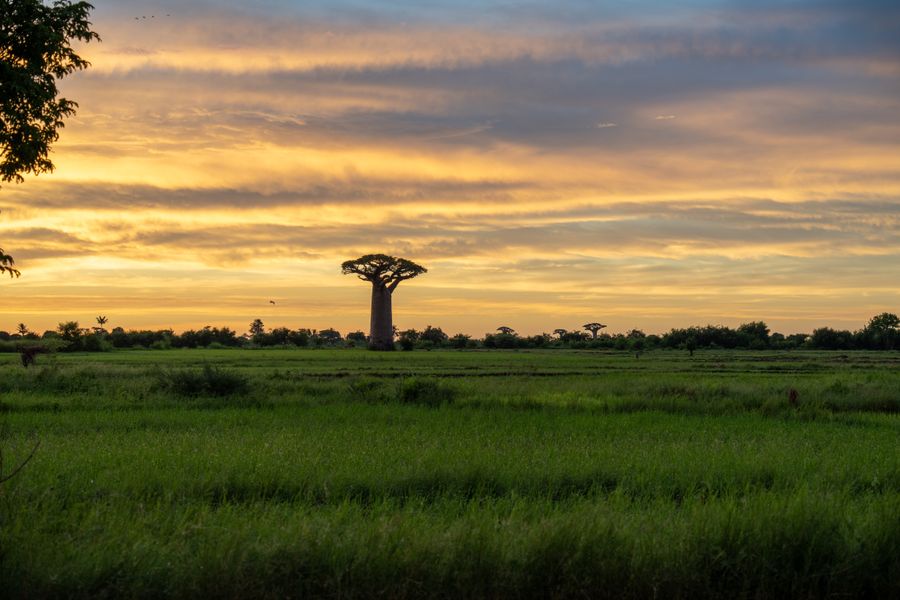
The Avenue of the Baobabs
A row of ancient, towering baobabs — some 800 years old — lining a dirt road near Morondava, at their most magical when the setting sun turns them to black silhouettes against a burning sky. Madagascar's iconic image, and worth timing a whole trip around.
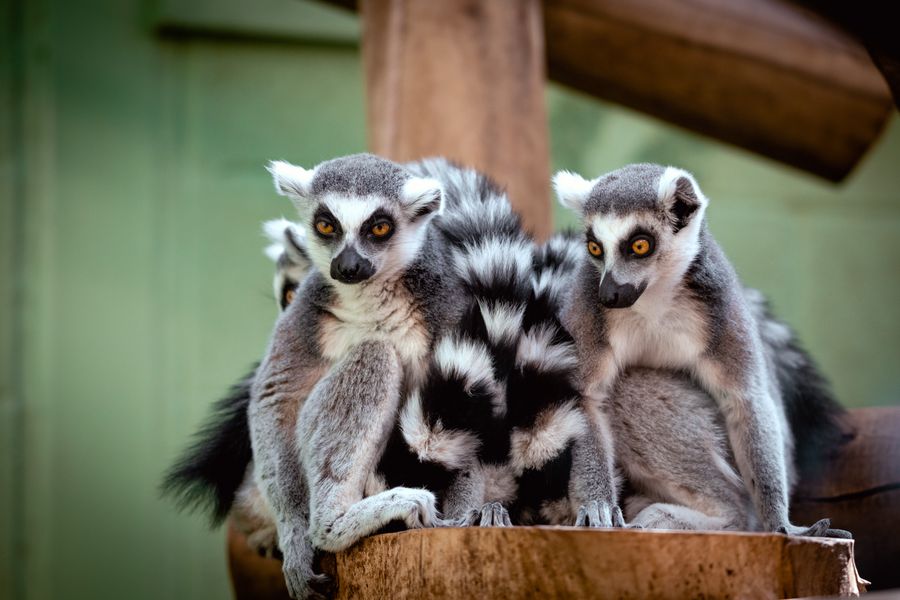
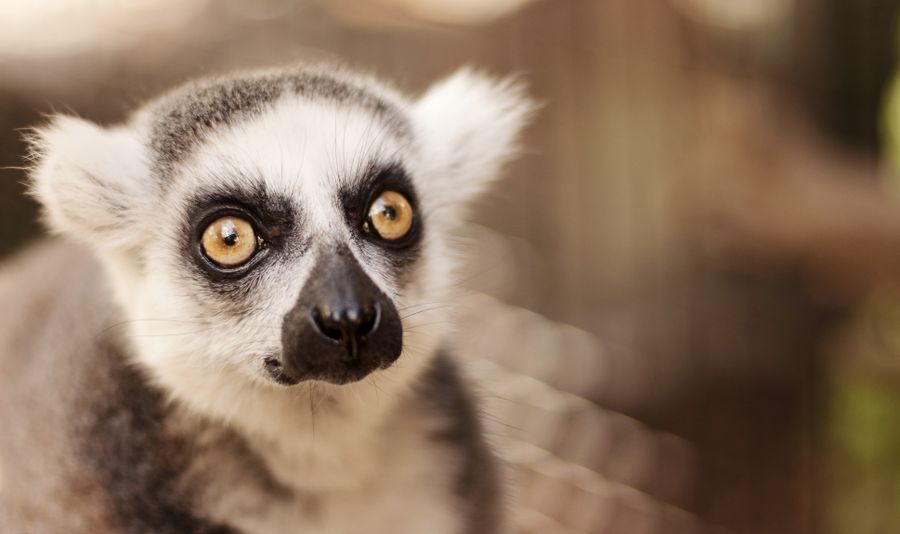
Lemurs & the parks
Indri calling like whale-song in Andasibe, ring-tailed lemurs sunbathing in Isalo, sifakas "dancing" across the sand — the island's hundred lemur species are its greatest draw, best met on guided forest walks (day and night) in the eastern rainforests and southern reserves.
Tsingy de Bemaraha
A UNESCO "forest of stone" — razor-sharp limestone pinnacles you traverse by via ferrata, ladders and rope bridges, with lemurs and chameleons in the shaded canyons between. One of the strangest and most adventurous landscapes on the planet, remote and unforgettable.
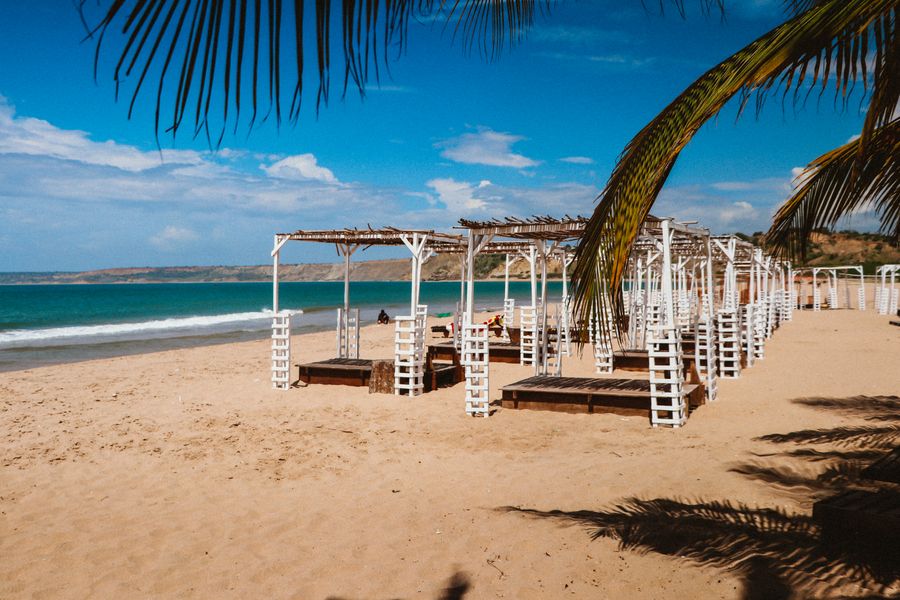
Nosy Be & the islands
After the rough overland travel, the reward: Nosy Be and its satellite isles off the northwest coast — turquoise water, ylang-ylang plantations scenting the air, whale sharks and humpbacks in season, and the barefoot beach calm that balances the wildlife expeditions.
Timing Is Everything
When to Go
Early dry season
Green after the rains, active wildlife, comfortable temperatures, roads drying out. The prime window.
Late dry season
Peak lemur activity (babies born), whale season off the coast, best road access. Equally ideal.
Cool dry
Coolest months, good wildlife, but chilly nights in the highlands.
Cyclone/rainy season
Heavy rain, cyclone risk on the east coast, many roads impassable and parks hard to reach.
The Route
The Perfect Madagascar Itinerary
Antananarivo & Andasibe
The hilly capital, then east to Andasibe for the singing indri and night lemur walks.
The RN7 south
Antsirabe, Ranomafana rainforest, and Isalo's canyons and natural pools.
Morondava & the baobabs
Fly west for the Avenue of the Baobabs at sunset and, if time allows, the Tsingy.
Nosy Be (extended)
Fly north for island beaches, whale sharks and ylang-ylang calm.
Plan Your Spend
What Madagascar Costs
Backpacker
Guesthouses, local Malagasy meals, taxi-brousse minibuses (slow but cheap), park guide fees.
Mid-range
Private driver-guide (near-essential given the roads), domestic flights, comfortable lodges, island resorts.
Luxury
Time+Tide Miavana private island, chartered flights, top eco-lodges, private naturalist guides.
Estimates per person, excluding international flights. Book stays via our partners to support free guides like this one.
Get the Madagascar Insider Brief
New guides, hidden spots and trip deals — weekly, free, unsubscribe anytime.