Africa & Middle East · Destination Guide
Lebanon
Roman temples, cedar mountains & the Med's most resilient food city
Lebanon compresses an astonishing amount into a country you can drive across in a few hours: some of the finest Roman ruins on Earth, snow-capped mountains dropping to Mediterranean beaches, ancient cedar forests, and a capital whose appetite for life — food, nightlife, reinvention — has survived every catastrophe the region could throw at it. Few places carry this much history and heartbreak with such style.
Check current advisories carefully, as the situation can change quickly; when conditions allow, Lebanon rewards the traveler with the world-beating Roman temples of Baalbek, the ancient port of Byblos, the Qadisha Valley's monasteries beneath the cedars, and a Beirut whose resilience and hospitality leave a permanent mark. And the food — mezze after glorious mezze — is reason enough alone.
A country that carries this much history and heartbreak with such style.
Don't Miss
The Unmissables
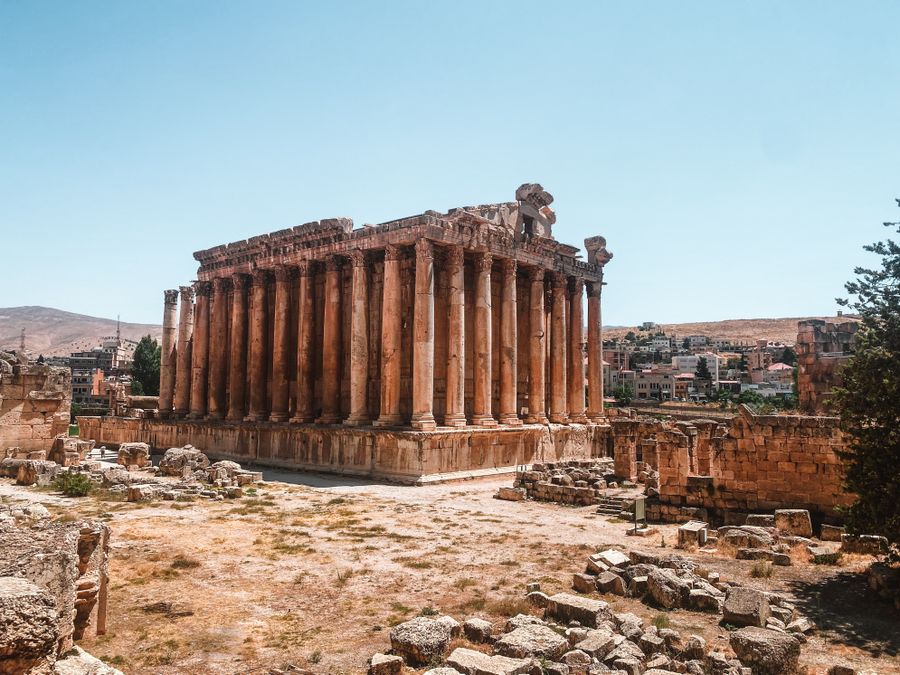
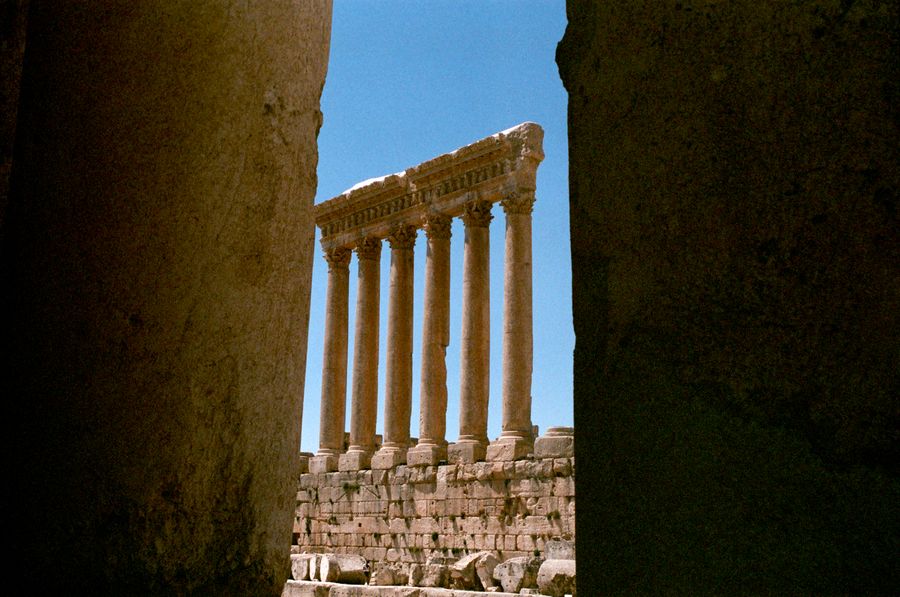
Baalbek
The greatest Roman temple complex outside Italy — and arguably more impressive: the colossal Temple of Jupiter's six surviving columns tower 22 metres, and the Temple of Bacchus is one of the best-preserved Roman temples anywhere. The scale of the stonework (the "Trilithon" blocks weigh 800 tonnes) still baffles engineers.
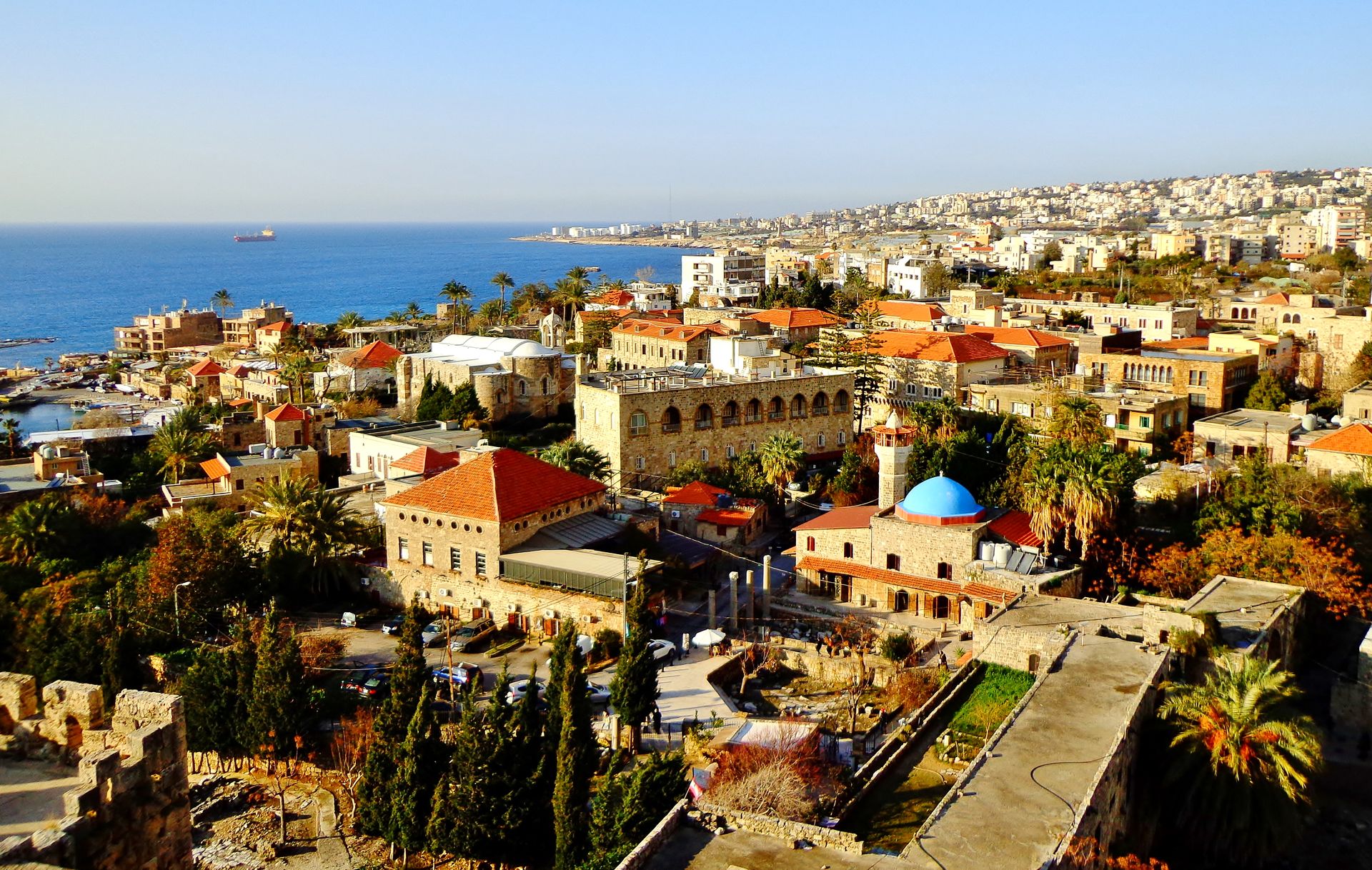
Byblos
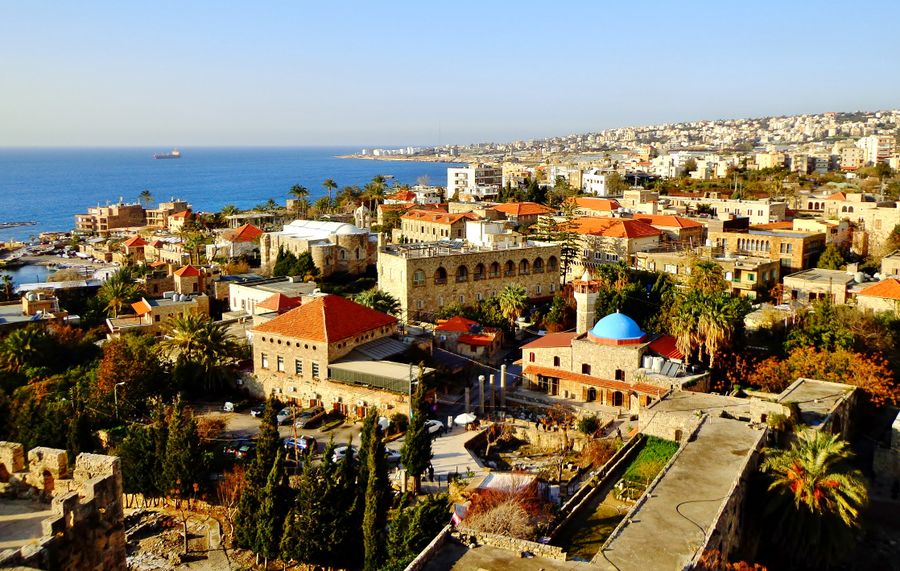
One of the oldest continuously inhabited cities on Earth — 7,000 years of Phoenician, Roman and Crusader history stacked around a picturesque old harbour and castle. Wander the ruins, browse the souk, and eat fresh fish by the water where the alphabet, some say, was born.
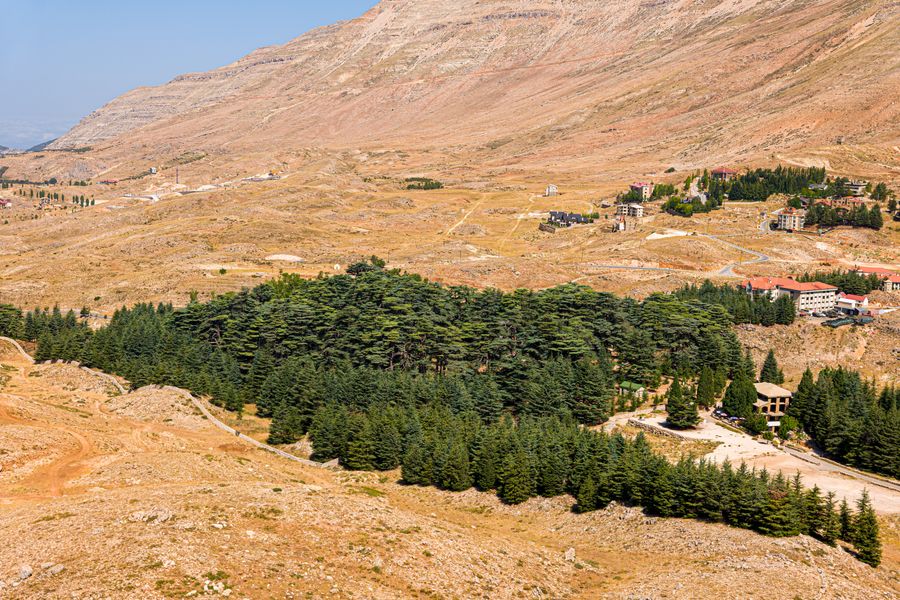
The Qadisha Valley & the Cedars
A UNESCO gorge of cliff-hanging monasteries and hermitages, above which stand the last groves of the biblical Cedars of Lebanon — the trees on the national flag, some over a thousand years old. Hike the holy valley, and in winter ski the slopes a short drive away.
Beirut & the table
A capital of ferocious energy and reinvention — French-Mandate architecture beside bullet-scarred buildings, rooftop bars, gallery districts, and a nightlife that refuses to quit. And everywhere, the food: mezze spreads, manoushe from the corner bakery, and a Lebanese cuisine that is one of the world's great tables.
Timing Is Everything
When to Go
Spring
Wildflowers, snow lingering on the peaks above green valleys, warm coast. The prime window.
Autumn
Swimmable Mediterranean, grape and olive harvest, golden mountain light.
Ski season
The famous ski-in-the-morning, swim-in-the-afternoon days — snow above, mild coast below.
Summer
Hot and humid on the coast, packed with the returning diaspora; the mountains are the escape.
The Route
The Perfect Lebanon Itinerary
Beirut
Downtown and Corniche, the National Museum, Gemmayzeh and Mar Mikhael nightlife, mezze everywhere.
Byblos & Jeita
The ancient harbour town and castle, the astonishing Jeita Grotto caves.
Baalbek & the Bekaa
The great Roman temples, then Bekaa Valley wineries (Château Ksara) on the way back.
Qadisha & the Cedars
The holy valley's monasteries and hikes, the ancient cedar grove, Bcharré and Gibran.
Plan Your Spend
What Lebanon Costs
Backpacker
Guesthouses, manoushe and falafel, shared taxis and buses, free ruins-wandering (small fees).
Mid-range
Boutique Beirut and Byblos stays, private driver for Baalbek and the valley, mezze feasts.
Luxury
Beirut design hotels, private guides, mountain retreats, the region's finest dining scene.
Estimates per person, excluding international flights. Book stays via our partners to support free guides like this one.
Get the Lebanon Insider Brief
New guides, hidden spots and trip deals — weekly, free, unsubscribe anytime.