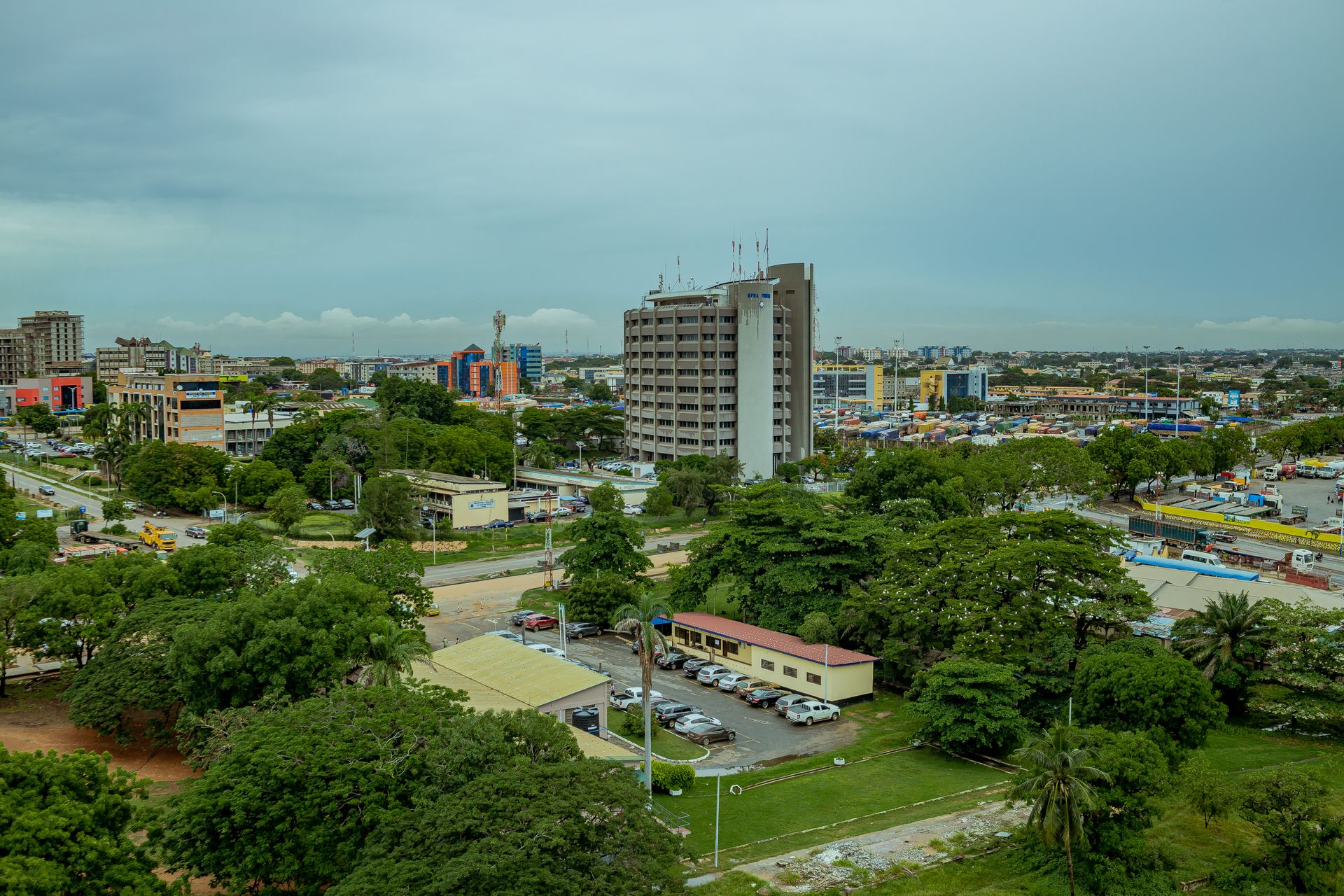
Africa & Middle East · Destination Guide
Ghana
West Africa's warmest welcome — forts, festivals & Atlantic surf
Ghana calls itself the "Gateway to Africa," and for the first-time visitor to the continent's west it's exactly that: stable, English-speaking, safe and famous for a warmth of welcome — akwaaba — that greets you everywhere. It carries a heavy, essential history (the slave-trade forts on its coast) alongside kente-cloth colour, high-life music, drumming, and a rainforest interior full of birds and butterflies.
This is travel with real texture rather than polish: bustling markets, Ashanti gold and craft villages around Kumasi, palm-fringed surf beaches, and a canopy walkway swaying above the treetops of Kakum. Ghana rewards the curious traveler who wants Africa's culture and history over its game parks.
The "Gateway to Africa" — and its warmest welcome, akwaaba, greets you everywhere.
Don't Miss
The Unmissables
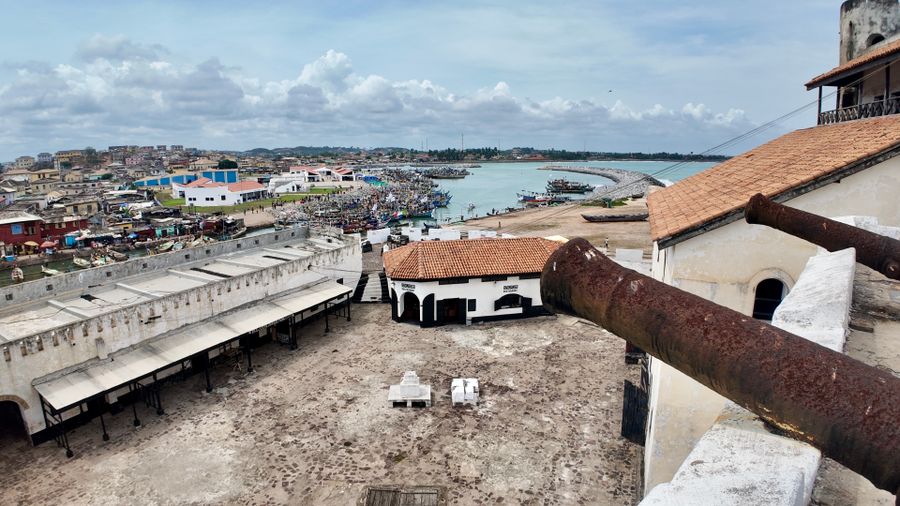
Cape Coast & Elmina Castles
The whitewashed forts on the coast are beautiful and devastating — UNESCO sites where the transatlantic slave trade was administered, their "doors of no return" a pilgrimage for the African diaspora. A sobering, essential half-day that gives Ghana's bright present its weight.
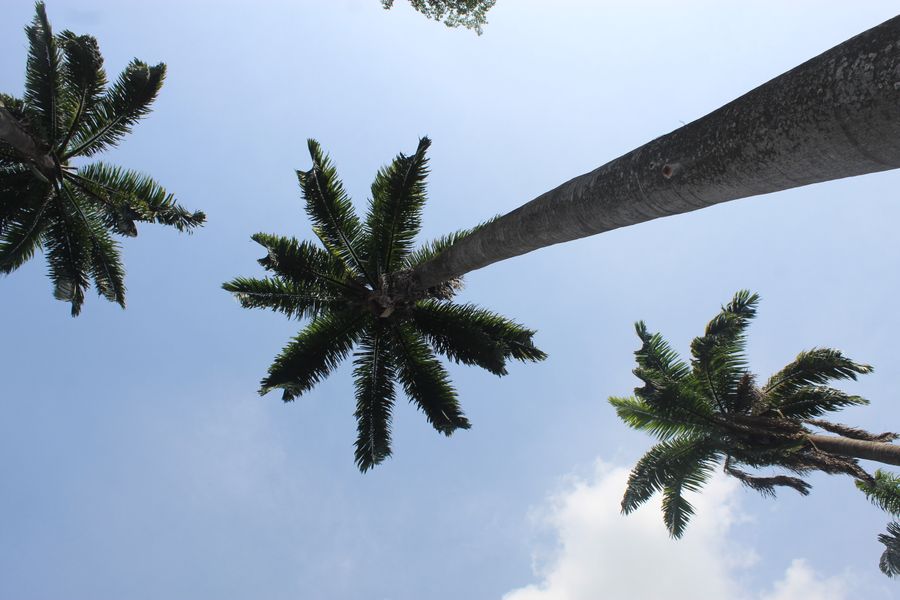
Kakum's canopy walkway
A series of rope bridges strung 30 metres up in the rainforest canopy — swaying above a green sea of treetops, with dawn the time for birds, monkeys and butterflies. Ghana's most thrilling nature experience, an easy trip from Cape Coast.
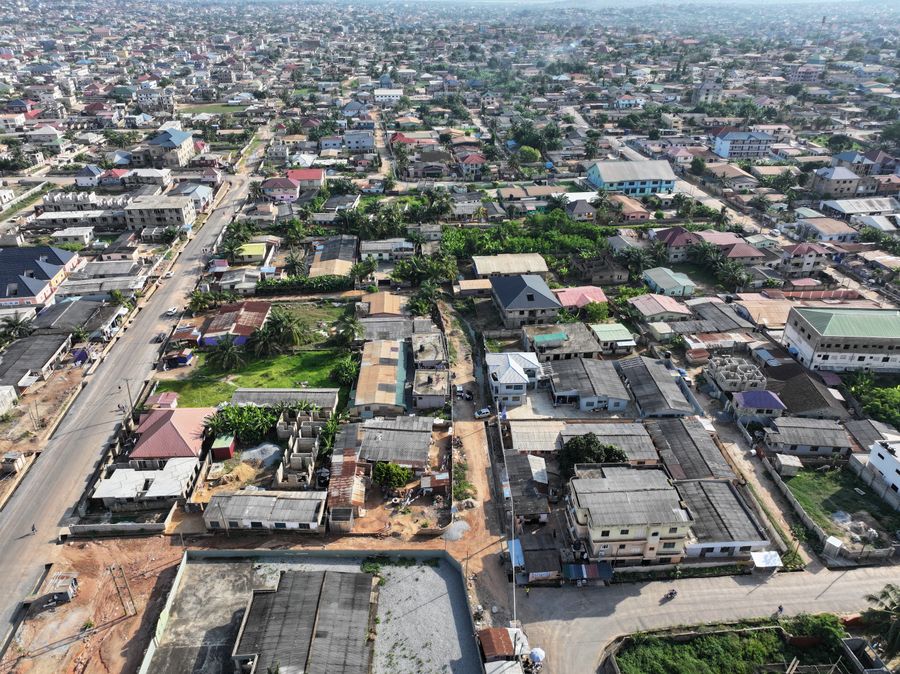
Accra's energy
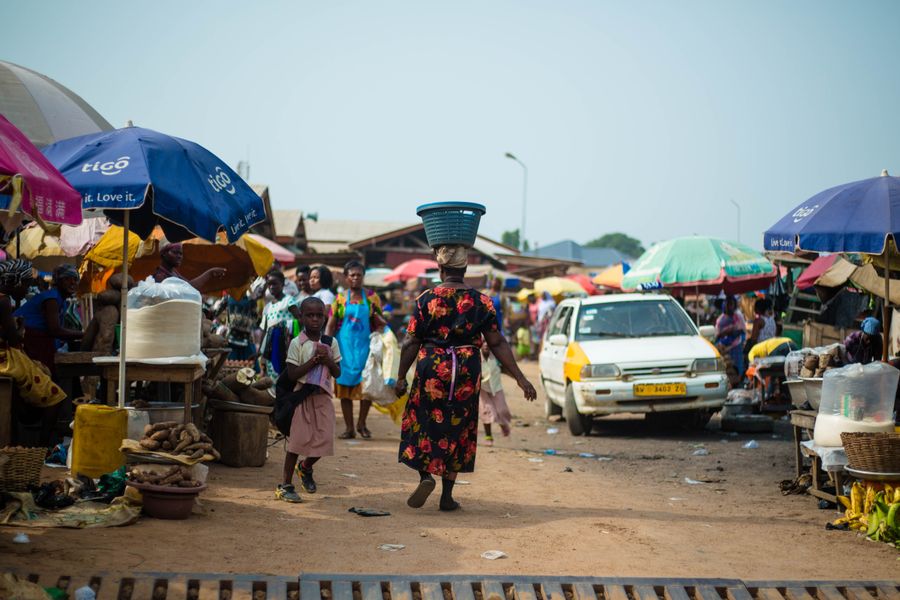
The capital hums: Makola market's controlled chaos, the Kwame Nkrumah mausoleum, the Jamestown fishing district and its street-art and boxing culture, Labadi beach's weekend drumming, and a nightlife and Afrobeats scene that pulls the diaspora home for Detty December.
Kumasi & Ashanti culture
The Ashanti kingdom's capital, where kente cloth is woven, adinkra symbols stamped and gold worked in craft villages, the Manhyia Palace tells the royal story, and the vast Kejetia market is one of West Africa's biggest. The colourful, living heart of Ghanaian tradition.
Timing Is Everything
When to Go
Dry season
Comfortable, dry, festival-rich — the best months for the coast, forest and cities. December is diaspora party season.
Short dry spell
A cooler break in the rains, and the vibrant Homowo and Oguaa Fetu festivals.
Main rains
Wet and humid, lush interior, fewer travelers and lower prices between downpours.
Second rains
Humid with intermittent heavy rain — the least comfortable stretch.
The Route
The Perfect Ghana Itinerary
Accra
Makola market, Jamestown, Nkrumah mausoleum, Labadi beach drumming, Afrobeats night.
Cape Coast
Cape Coast and Elmina castles, Kakum canopy walkway at dawn, coastal fishing villages.
Kumasi
Ashanti craft villages (kente, adinkra, gold), Manhyia Palace, Kejetia market.
Coast or Mole (extended)
Surf and palms at Busua and Cape Three Points — or Mole National Park's elephants in the north.
Plan Your Spend
What Ghana Costs
Backpacker
Guesthouses, jollof and chop-bar meals, tro-tro minibuses, beach hostels along the coast.
Mid-range
Boutique Accra and coastal hotels, private driver (the practical unlock), guided fort-and-forest days.
Luxury
Kempinski Accra, Mole safari lodge in the north, private cultural and craft-village guides.
Estimates per person, excluding international flights. Book stays via our partners to support free guides like this one.
Get the Ghana Insider Brief
New guides, hidden spots and trip deals — weekly, free, unsubscribe anytime.