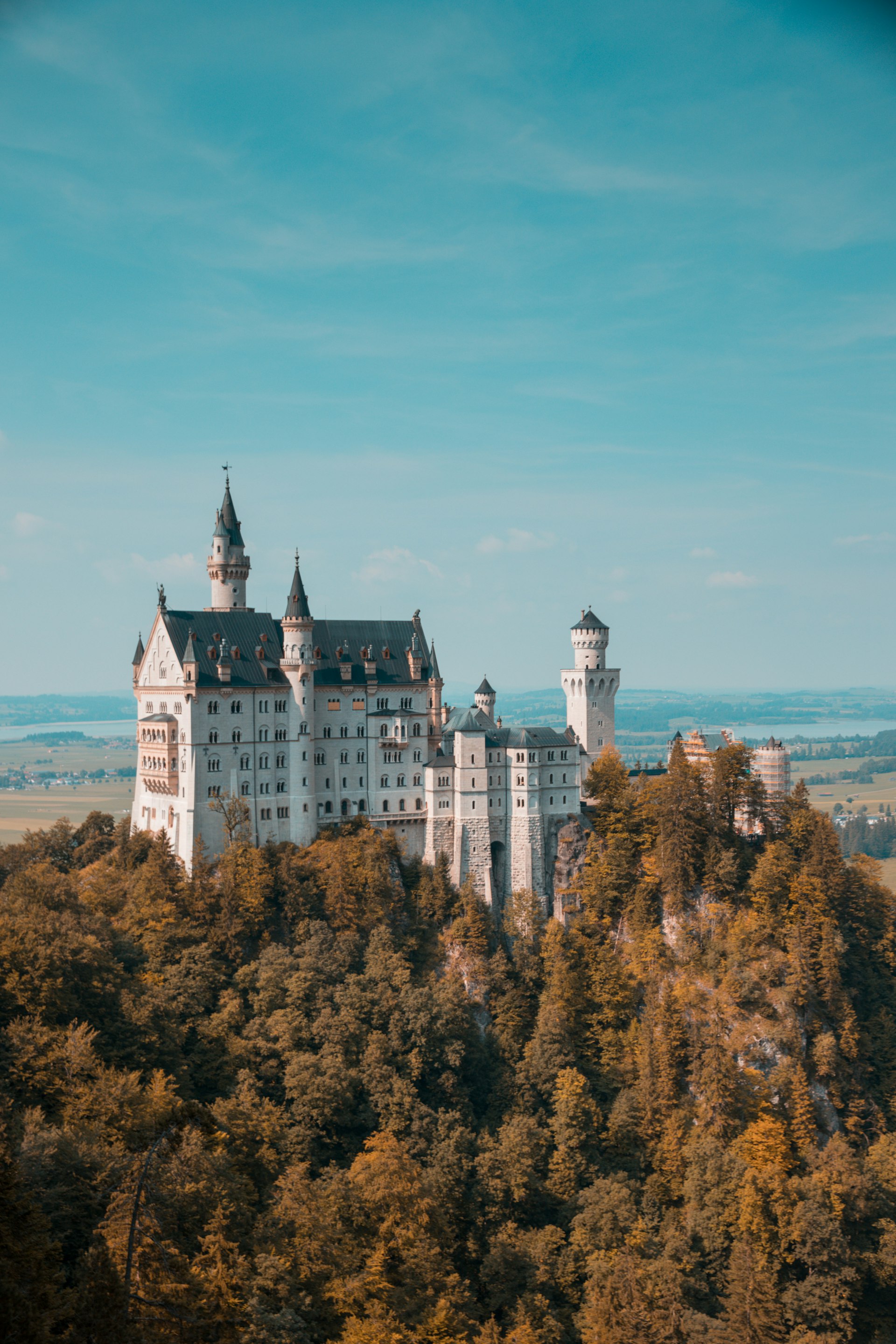
Europe · Destination Guide
Germany
Fairy-tale castles, beer halls & Europe's edgiest capital
Germany hides its charms behind a reputation for efficiency — then ambushes you with them: a castle on every second crag, half-timbered towns that survived the centuries intact, Alpine lakes below Bavarian peaks, and a beer-garden culture that turns every summer evening into a village festival.
The two Germanys to plan around: the romantic south (Bavaria's castles, Munich's gemütlichkeit, the Alps) and Berlin — a city that has nothing to do with any of it, and is the most fascinating urban story in Europe: techno in power stations, history on every corner, and reinvention as the civic religion.
A castle on every second crag, and reinvention as Berlin's civic religion.
Don't Miss
The Unmissables
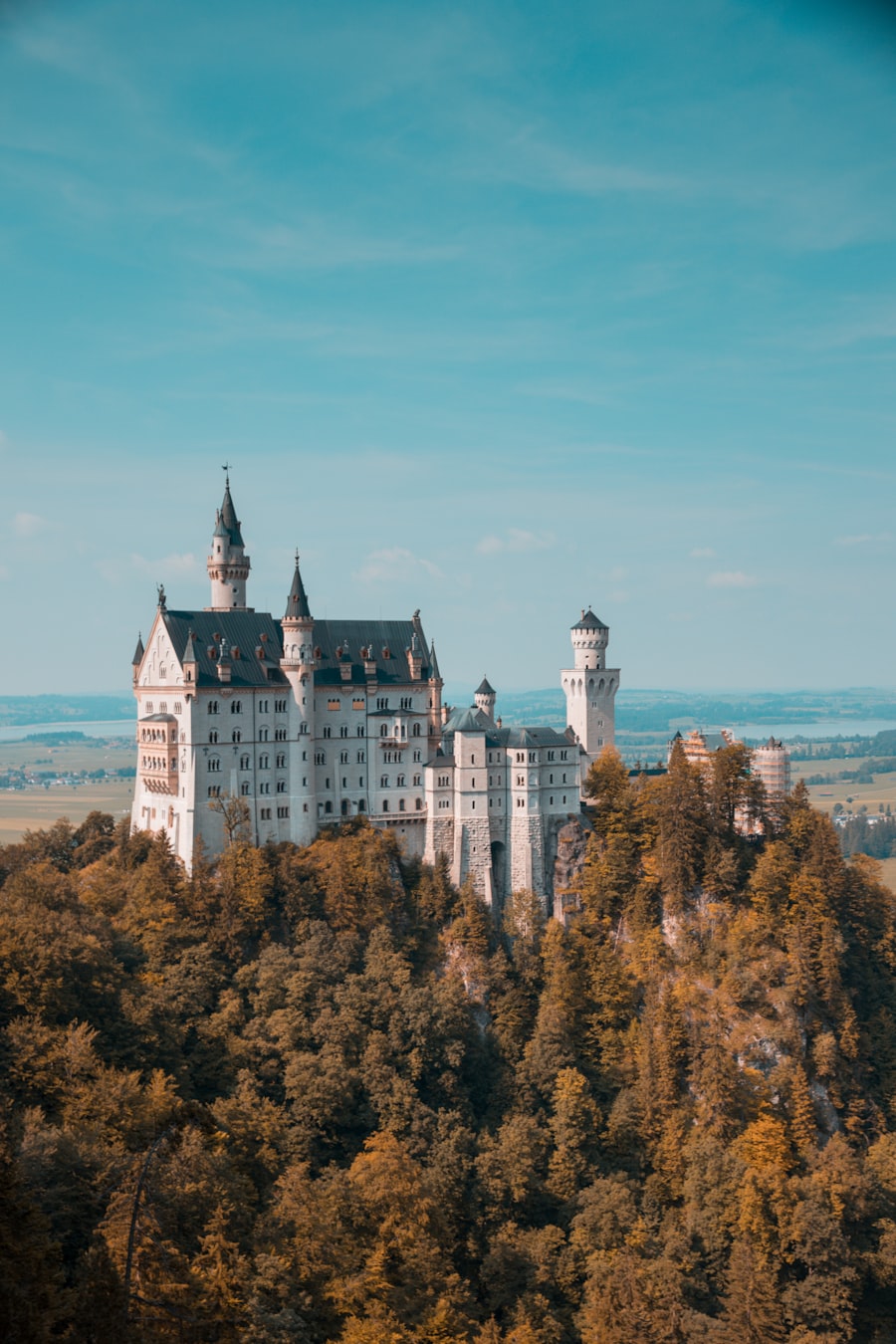
Neuschwanstein
Mad King Ludwig's fantasy castle — the one Disney copied — hanging above Alpine forest. Book timed tickets ahead, walk up via the Pöllat gorge, and get the classic view from Marienbrücke early, before the bridge fills shoulder-to-shoulder.
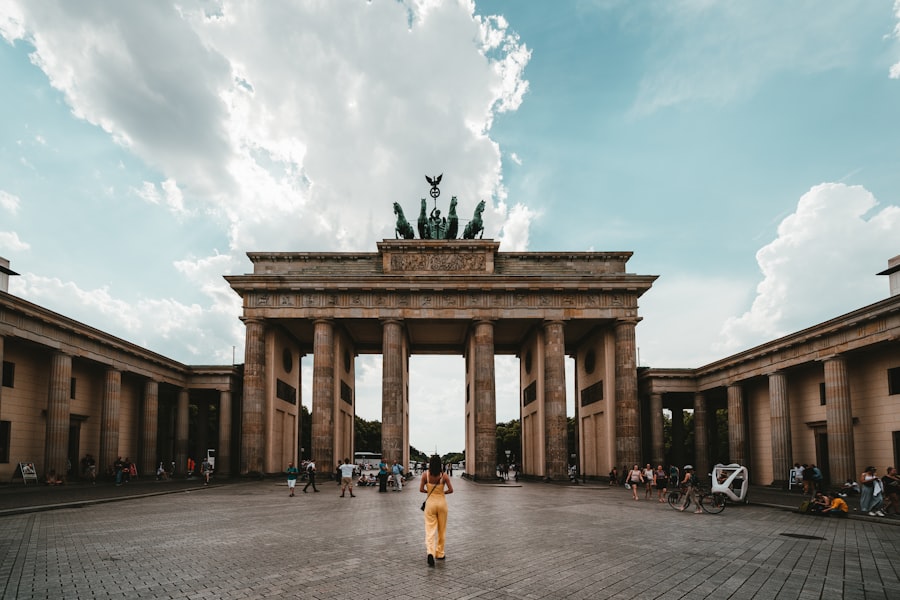
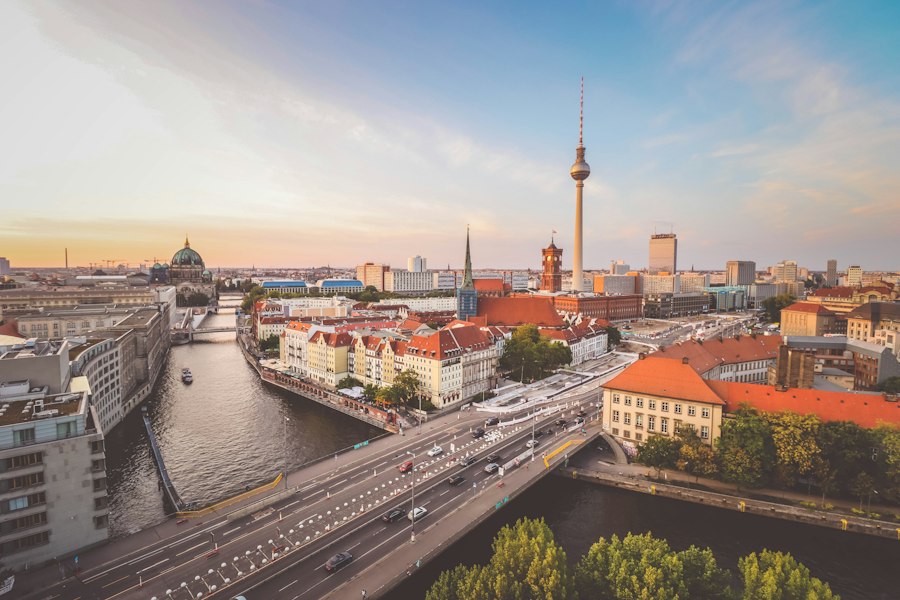
The Brandenburg Gate & Berlin's layers
Stand where the Wall ran, then walk it: Holocaust Memorial, Unter den Linden, Museum Island's five-museum UNESCO ensemble. Berlin doesn't curate its history into a district — the whole city is the exhibit.
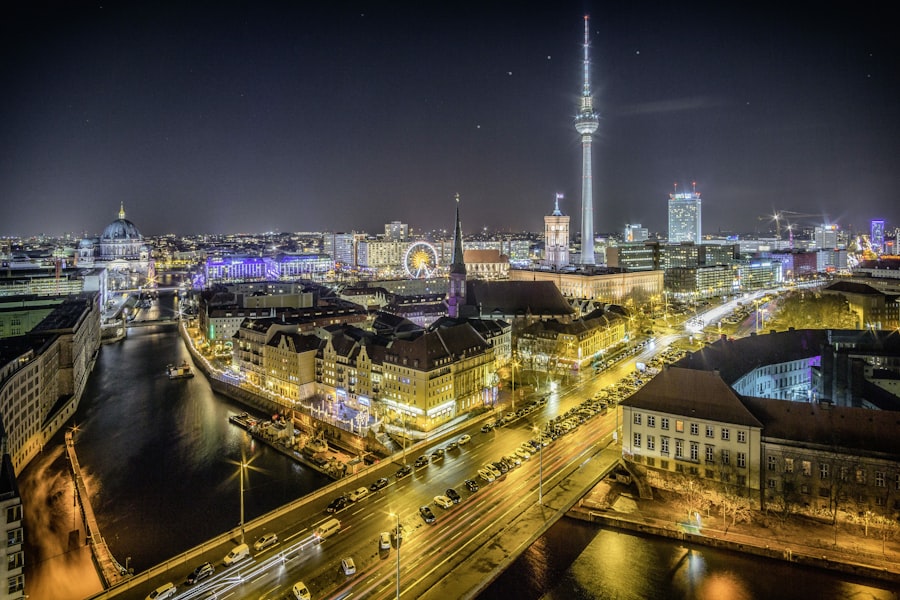
Berlin after dark
Kreuzberg's canal-side bars, currywurst at 3am, clubs in former power stations where the door policy is folklore and the party runs from Friday to Monday. Even if techno isn't your church, the city's night energy is a sight in itself.
Beer gardens & the Bavarian south
Munich's Englischer Garten with a maß under the chestnuts, the Viktualienmarkt for lunch, then trains south to the Zugspitze or lake-swimming at Königssee. Bavaria in summer is Germany's answer to the Mediterranean.
Timing Is Everything
When to Go
Summer
Beer gardens open, Alpine trails clear, long evenings. June and September dodge the school-holiday peak.
Christmas markets
Nuremberg, Dresden, Cologne — glühwein, gingerbread and fairy lights. Germany's most magical export.
Oktoberfest & autumn
The world's biggest folk festival (book Munich a year out), wine season on the Mosel and Rhine.
Deep winter
Grey and cold outside the ski areas; museums and thermal baths carry the season.
The Route
The Perfect Germany Itinerary
Berlin
Wall history, Museum Island, Kreuzberg nights, day-trip to Potsdam's palaces.
Dresden & Saxony
The rebuilt baroque skyline, then Bastei bridge in Saxon Switzerland's sandstone spires.
Munich
Beer gardens, Deutsches Museum, surfing the Eisbach wave, Viktualienmarkt grazing.
Bavarian Alps
Neuschwanstein and Hohenschwangau, then Garmisch and the Zugspitze cable car.
The Romantic Road
Rothenburg ob der Tauber's walled perfection, ending in Würzburg's vineyards.
Plan Your Spend
What Germany Costs
Backpacker
Hostels, bakery breakfasts and imbiss meals, Deutschland-Ticket regional trains (€58/month, unlimited).
Mid-range
Pension and boutique stays, ICE fast trains, castle entries, beer-hall dinners.
Luxury
Grand hotels on the Rhine, Michelin Berlin, private Bavaria drivers, spa towns like Baden-Baden.
Estimates per person, excluding international flights. Book stays via our partners to support free guides like this one.
Get the Germany Insider Brief
New guides, hidden spots and trip deals — weekly, free, unsubscribe anytime.