Asia · Destination Guide
Cambodia
Angkor's temple city, island beaches & resilient Khmer warmth
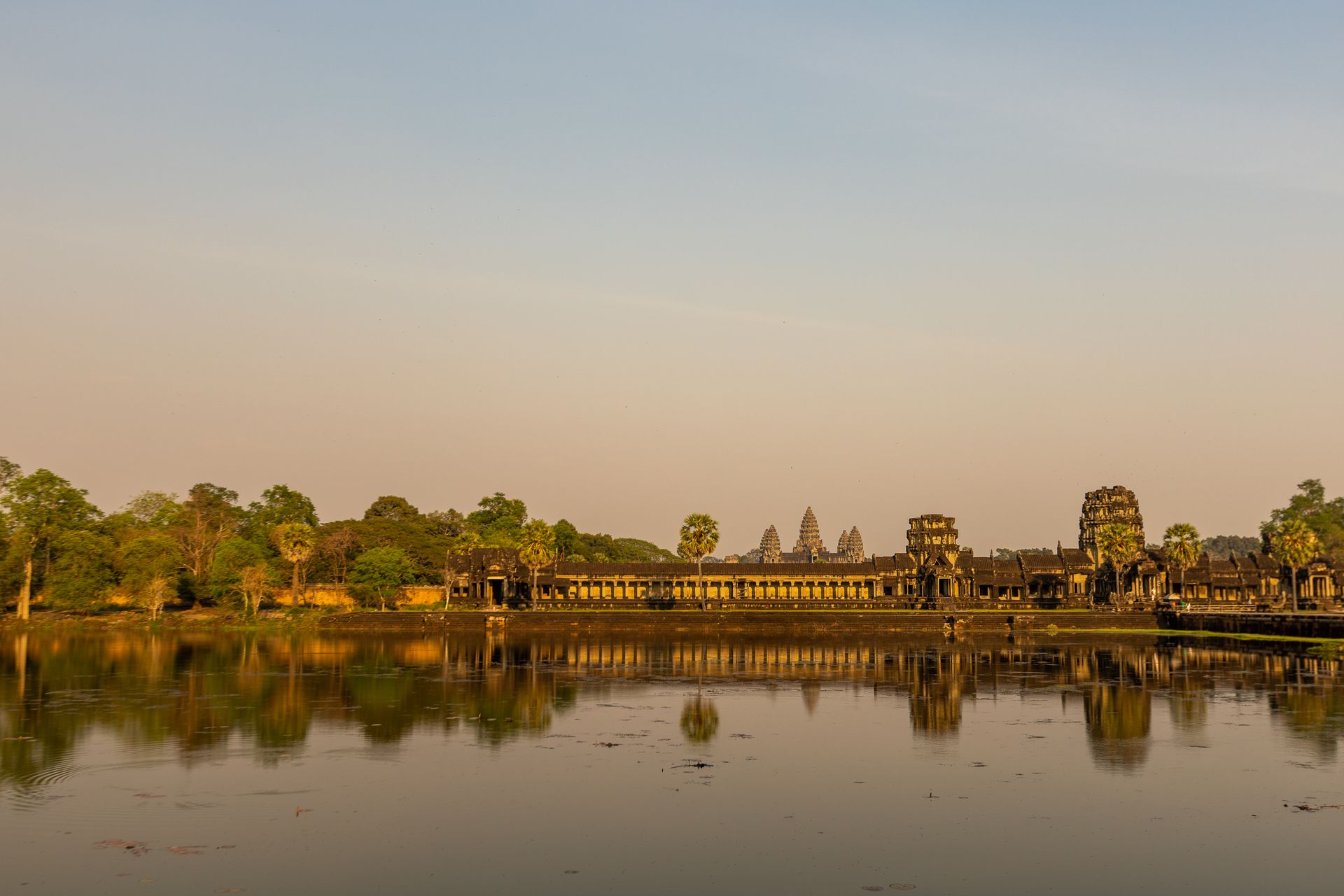
Cambodia is built around one of humanity's supreme achievements — Angkor, the largest religious monument on Earth and the capital of an empire that once ran Southeast Asia. Watching the sun rise behind its five towers, reflected in a lotus pond, is one of travel's genuinely unforgettable mornings.
But the country is more than its ancient glory and its terrible modern history (which every visitor should confront, briefly and respectfully, at Phnom Penh's memorials). It's riverside capitals, jungle temples strangled by strangler figs, undeveloped island beaches, and a people whose warmth after all they've endured is the trip's quiet lesson.
Sunrise behind Angkor's five towers is one of travel's genuinely unforgettable mornings.
Don't Miss
The Unmissables
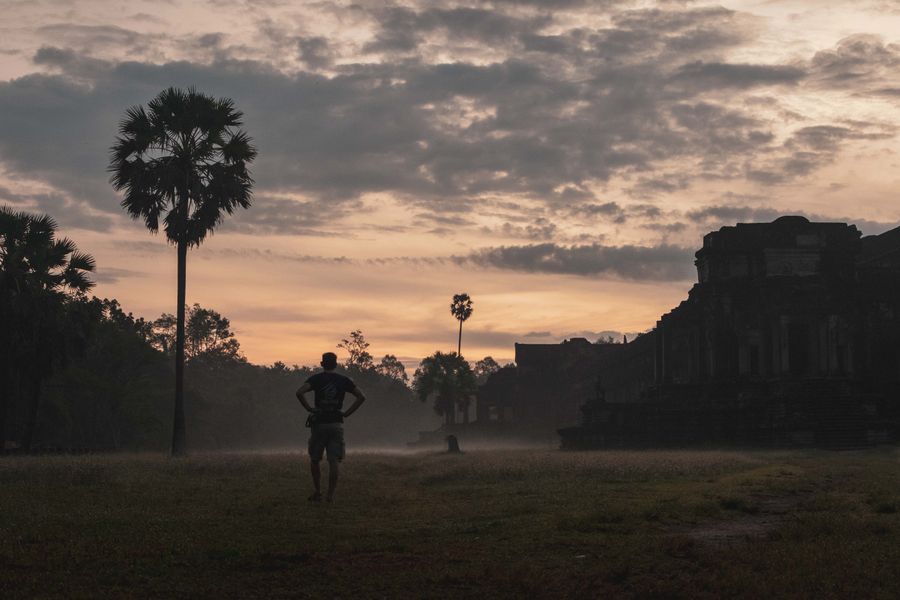
Angkor Wat at sunrise
The classic pilgrimage — but the wider Angkor Archaeological Park is the real reward: the Bayon's 216 serene stone faces, Ta Prohm's trees devouring the ruins (Tomb Raider's temple), and outlying jungle sites you'll have nearly to yourself. Buy a three-day pass and pace it; one day exhausts, three enchant.
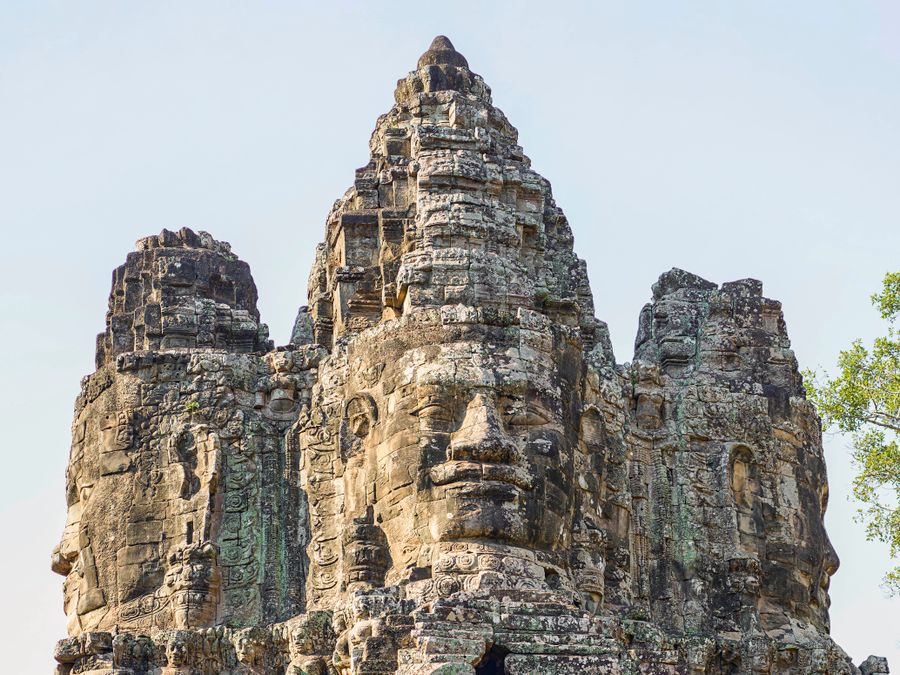
The Bayon's stone faces
At the centre of Angkor Thom, King Jayavarman VII's temple-mountain watches every direction with the same half-smile — 216 faces, dawn light finding new ones by the minute. Climb before 8am; the crowds and heat arrive together.
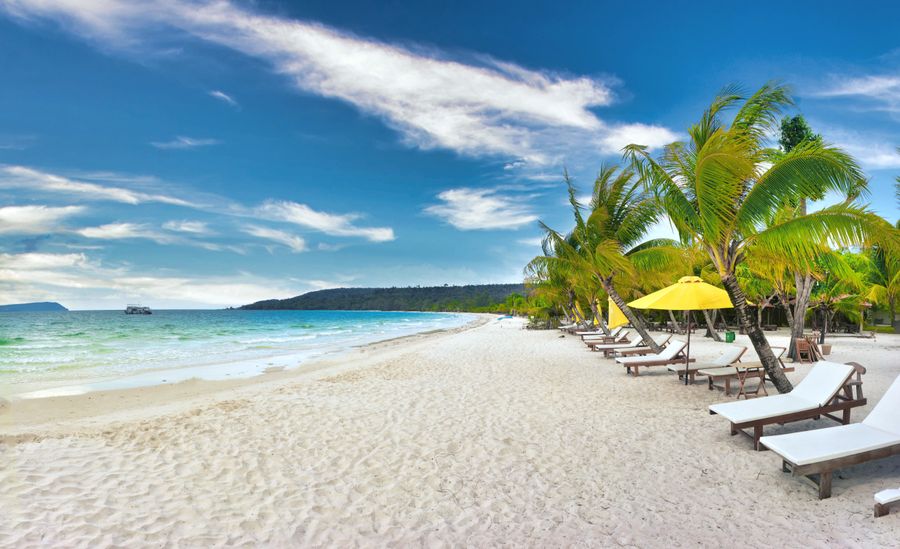
The southern islands
Koh Rong and its quieter sibling Koh Rong Samloem deliver the Southeast Asian beach fantasy Thailand has mostly lost: bioluminescent night swims, bungalows over clear water, and days measured in hammock-swings. Get there before the developers finish arriving.
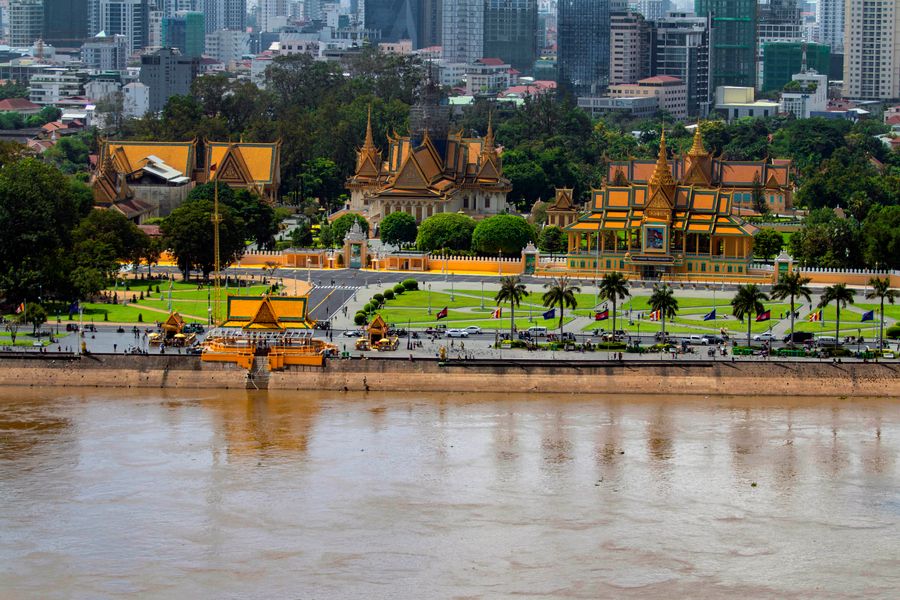
Phnom Penh & the necessary history
The riverfront capital pairs the golden Royal Palace and Silver Pagoda with the sobering Tuol Sleng and Killing Fields memorials — hard but essential context for understanding modern Cambodia. Balance it with the reborn café-and-bar scene along the Tonlé Sap.
Timing Is Everything
When to Go
Cool dry season
Comfortable temperatures, clear skies for temple sunrises, calm island seas. Peak but ideal.
Hot season
Fierce heat (40°C at Angkor) — but thinner crowds and green-mango Khmer New Year celebrations.
Wet season
Afternoon downpours, lush jungle temples, moats brimming — atmospheric and cheap between storms.
The Route
The Perfect Cambodia Itinerary
Siem Reap & Angkor
Sunrise Angkor Wat, the Bayon and Ta Prohm, an outlying-temple day, Pub Street evenings.
Tonlé Sap or Beng Mealea
Floating-village life on the great lake — or the jungle-swallowed temple beyond the main park.
Phnom Penh
Royal Palace, the memorials, riverfront revival, Central Market.
The islands or Kampot
Koh Rong hammock time — or Kampot's pepper farms and sleepy riverside colonial charm.
Plan Your Spend
What Cambodia Costs
Backpacker
Guesthouses, $2 street noodles, tuk-tuk temple days ($15-20), night buses, island bungalows.
Mid-range
Boutique Siem Reap hotels with pools, private Angkor guide, domestic flight, island resort.
Luxury
Amansara (the old king's guesthouse), private archaeologists, Song Saa private-island villas.
Estimates per person, excluding international flights. Book stays via our partners to support free guides like this one.
Get the Cambodia Insider Brief
New guides, hidden spots and trip deals — weekly, free, unsubscribe anytime.