The Americas · Destination Guide
Bolivia
The Uyuni salt mirror, Andean altiplano & South America's wild heart
Bolivia is South America at its rawest and most authentic — the continent's highest, most indigenous and least polished country, where bowler-hatted Aymara women run the markets, cities cling to the altiplano at breath-stealing altitude, and the landscapes reach a scale that borders on the hallucinatory. It is harder travel than its neighbours, and infinitely more rewarding for it.
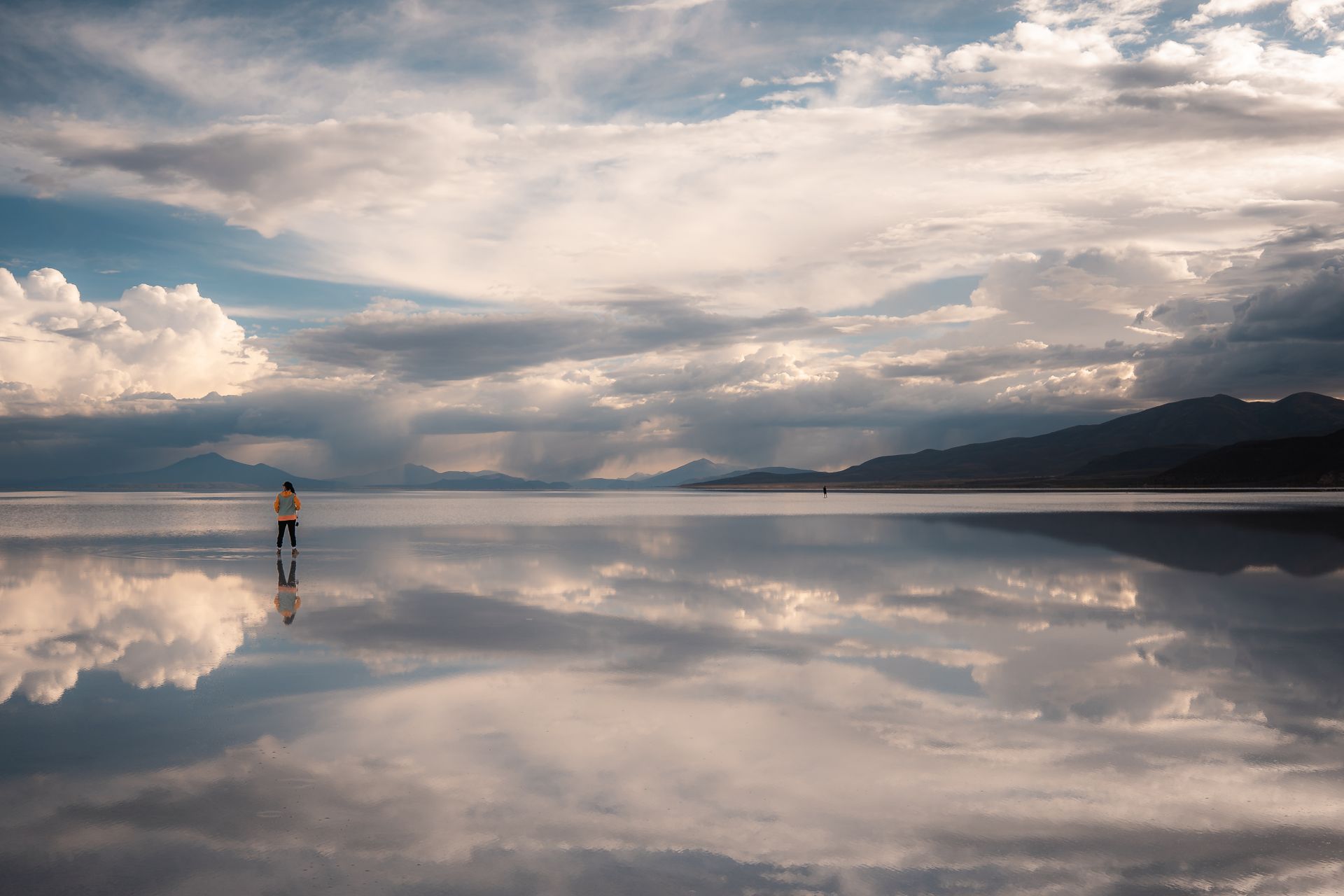
The magnet is Salar de Uyuni, the world's largest salt flat, which after rain becomes the world's largest mirror — sky above and below, horizon deleted. But Bolivia keeps giving: La Paz's cable-car cityscape, Lake Titicaca's sacred islands, Amazon pampas teeming with wildlife, and prices that make it the continent's best value by a distance.
After rain the salt flat becomes the world's largest mirror — horizon deleted.
Don't Miss
The Unmissables
Salar de Uyuni
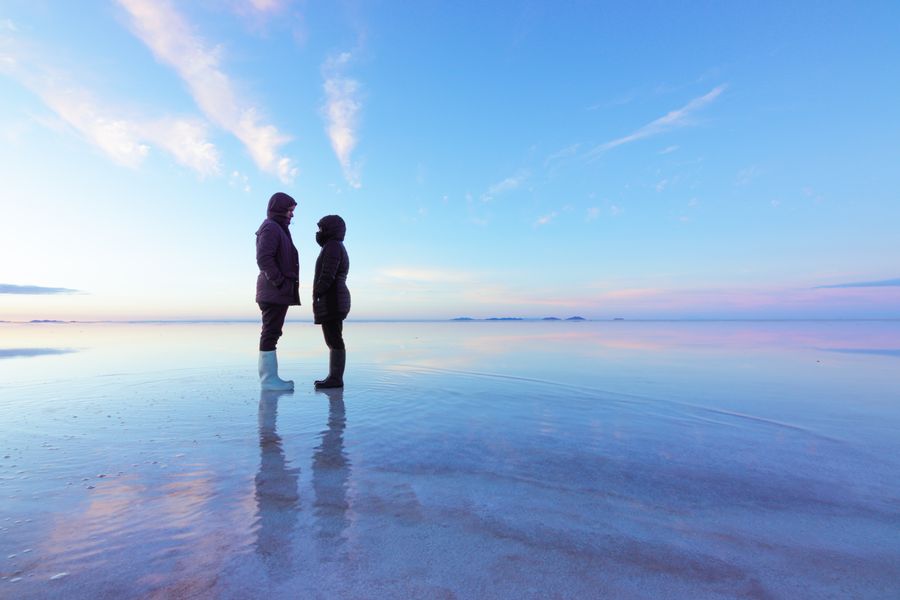
Ten thousand square kilometres of blinding white salt — polygon-cracked in the dry season, a perfect mirror after rain (Jan–Mar). The classic three-day 4x4 tour adds flamingo lagoons, red and green mineral lakes, geysers at dawn and a night in a salt hotel. One of Earth's truly singular landscapes.
La Paz & the cable-car city
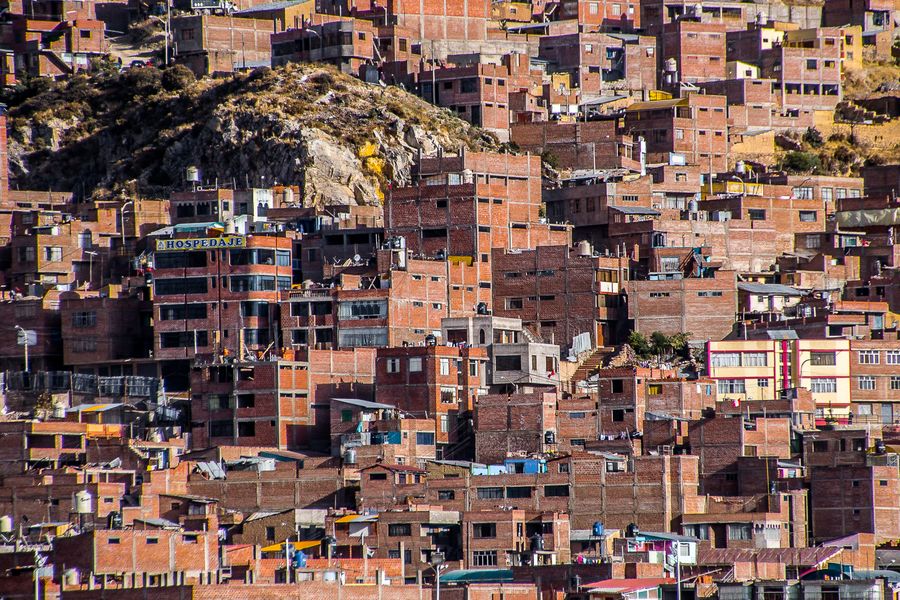
The world's highest capital sprawls up a canyon at 3,650m, its neighbourhoods stitched together by Mi Teleférico — the planet's largest urban cable-car network, and the best city tour anywhere for the price of a bus. Witches' Market, cholita wrestling and the Valle de la Luna's eroded spires fill the days.
Lake Titicaca & Isla del Sol
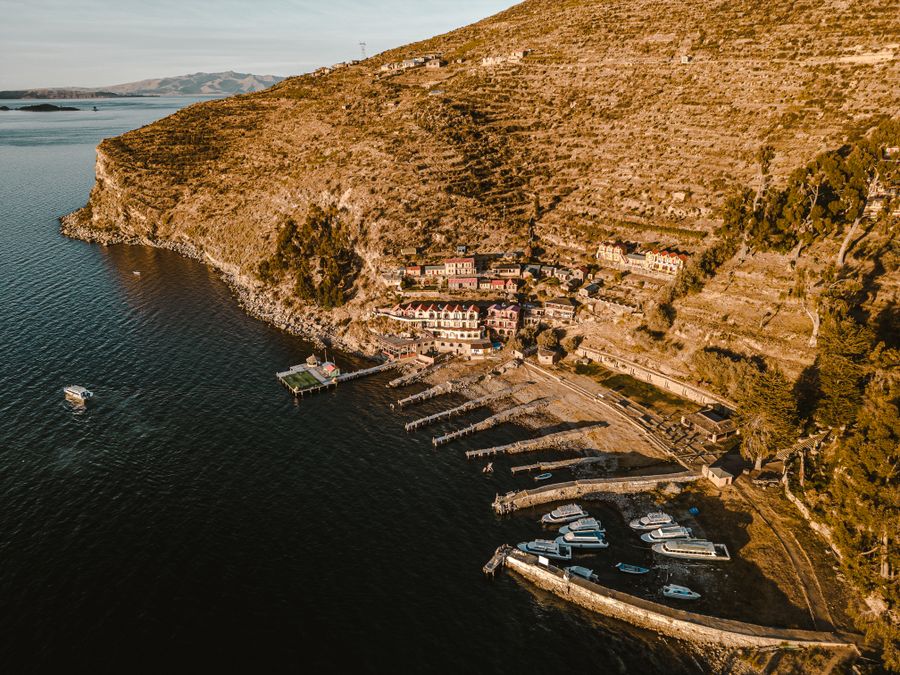
The highest navigable lake on Earth, sacred to the Inca as the sun's birthplace. Boat from Copacabana to the Isla del Sol's terraced trails and ruins, sleep in a village guesthouse with no cars and total silence, and watch the sunset over water at 3,800m.
Sucre & the Amazon pampas
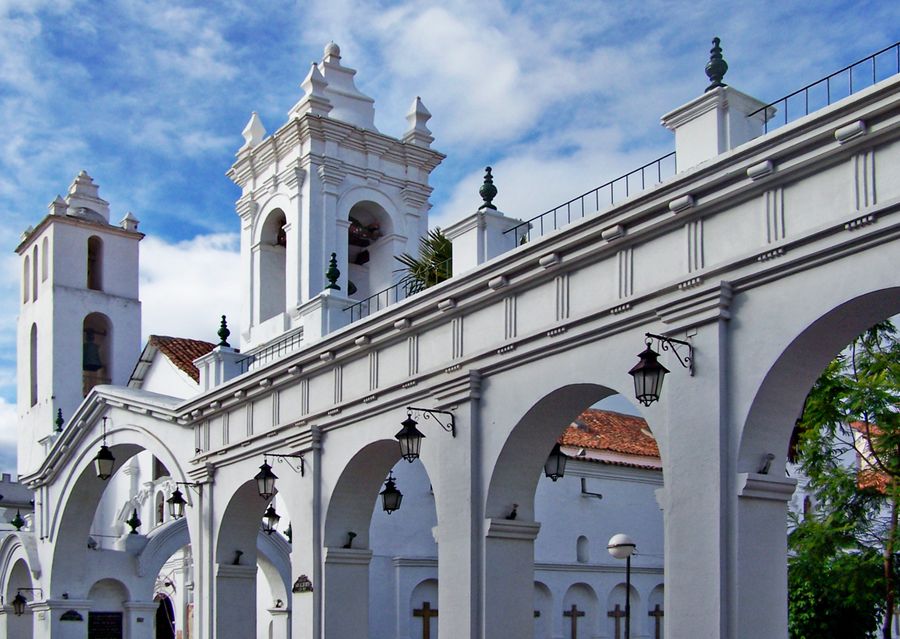
Whitewashed colonial Sucre — the constitutional capital, and the country's prettiest, gentlest city — balances the altiplano's intensity. And from Rurrenabaque, the Amazon's pampas wetlands deliver caimans, pink dolphins, capybaras and anacondas at a fraction of Peru's or Brazil's cost.
Timing Is Everything
When to Go
Dry season
Clear altiplano skies, firm salt flat (polygon patterns), best trekking and road conditions.
Mirror season
The wet months flood the Salar into its famous reflection — the bucket-list photograph, though tours run shorter routes.
Shoulder
Between-season calm, fewer travelers, generally workable weather.
Wet altiplano
Rain can disrupt altiplano roads and cloud the peaks — though it makes the mirror.
The Route
The Perfect Bolivia Itinerary
La Paz
Cable-car circuit, Witches' Market, Valle de la Luna, cholita wrestling, acclimatise.
Lake Titicaca
Copacabana and the Isla del Sol's trails and ruins, a silent island night.
Salar de Uyuni
The three-day 4x4 loop: salt flat, coloured lagoons, flamingos, geysers, salt-hotel nights.
Sucre
Colonial calm, dinosaur footprints, the country's best food and gentlest altitude.
Amazon pampas (extended)
Fly to Rurrenabaque for caimans, pink dolphins and jungle-river wildlife.
Plan Your Spend
What Bolivia Costs
Backpacker
Hostels ($6-12), almuerzo set lunches ($2-3), buses everywhere, the Salar tour ~$150 for three days.
Mid-range
Boutique La Paz and Sucre stays, private Uyuni tours, domestic flights, pampas jungle lodge.
Luxury
Salt-flat luxury camps (Kachi Lodge's domes), private altiplano expeditions, Titicaca's best lodges.
Estimates per person, excluding international flights. Book stays via our partners to support free guides like this one.
Get the Bolivia Insider Brief
New guides, hidden spots and trip deals — weekly, free, unsubscribe anytime.