Africa & Middle East · Destination Guide
Algeria
Vast Sahara dunes, Roman ruins & the whitewashed Casbah of Algiers
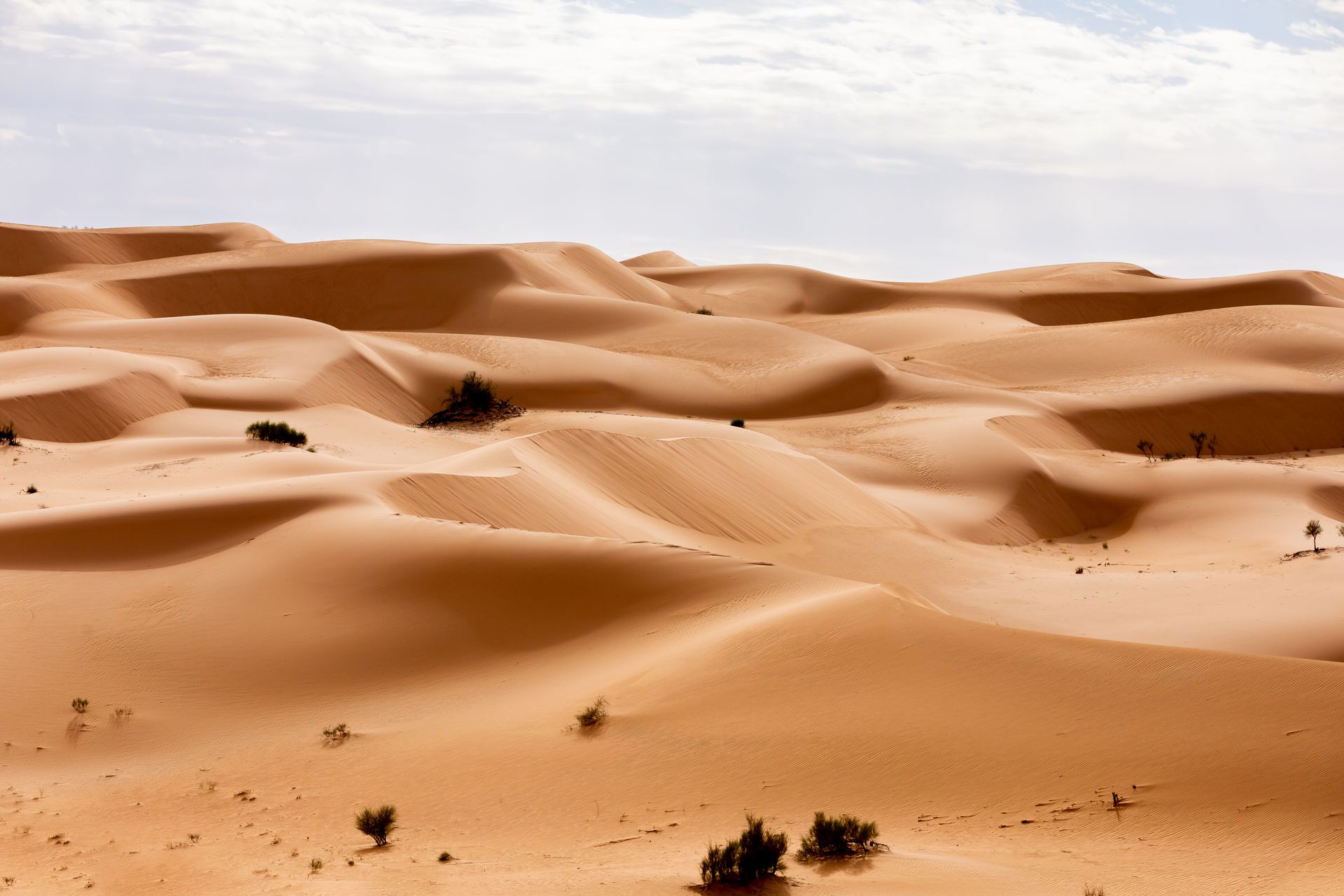
Algeria is Africa's largest country and one of its last great travel frontiers — a vast, proud nation where more than four-fifths of the land is Sahara, hiding some of the desert's most surreal landscapes, alongside spectacular Roman ruins, the whitewashed Casbah of Algiers, and a Mediterranean coast almost untouched by tourism.
Long overlooked, Algeria is slowly opening up, and rewards the adventurous with the sculpted sandstone and prehistoric rock art of the Tassili n'Ajjer, the dunes of the Grand Erg, the astonishingly complete Roman cities of Timgad and Djémila, and the mountain heritage of Kabylie. Raw, immense and steeped in history, it is North Africa without the crowds.
Africa's largest country — four-fifths Sahara, and one of travel's last frontiers.
Don't Miss
The Unmissables
The Sahara & Tassili n'Ajjer
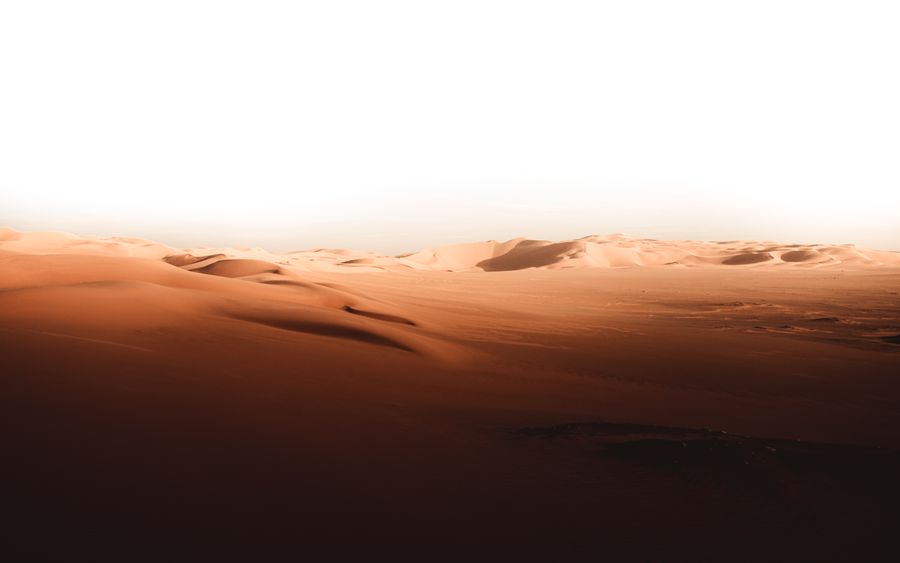
Algeria's desert is the stuff of legend — the eroded sandstone "forests of rock" and 12,000-year-old prehistoric paintings of the Tassili n'Ajjer, the towering dunes of the Grand Erg Oriental, and oasis towns like Timimoun and Djanet. One of the most spectacular and least-visited stretches of the Sahara on Earth.
The Casbah of Algiers
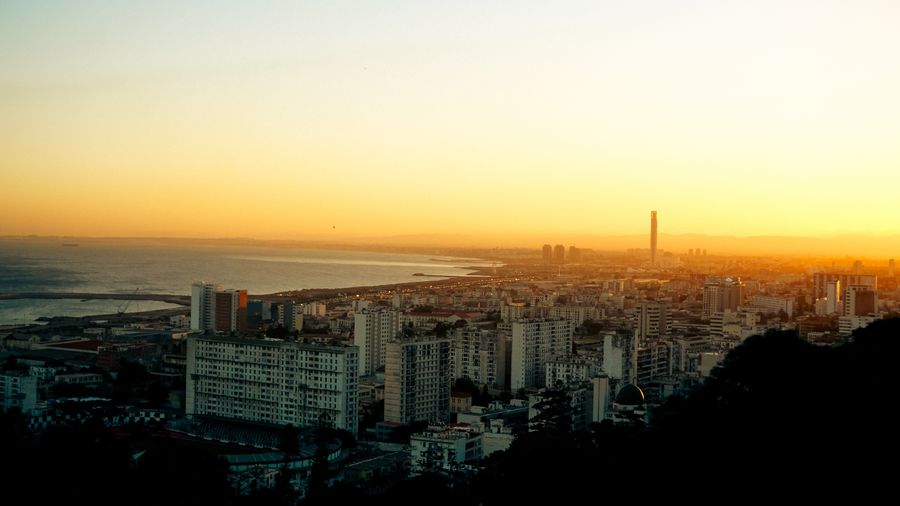
The capital tumbles down to the Mediterranean in a maze of white — the UNESCO Casbah, a labyrinth of Ottoman houses, mosques and steep alleys above the bay, ringed by grand French colonial boulevards. A layered, atmospheric and evocative city few outsiders ever see.
Roman Algeria
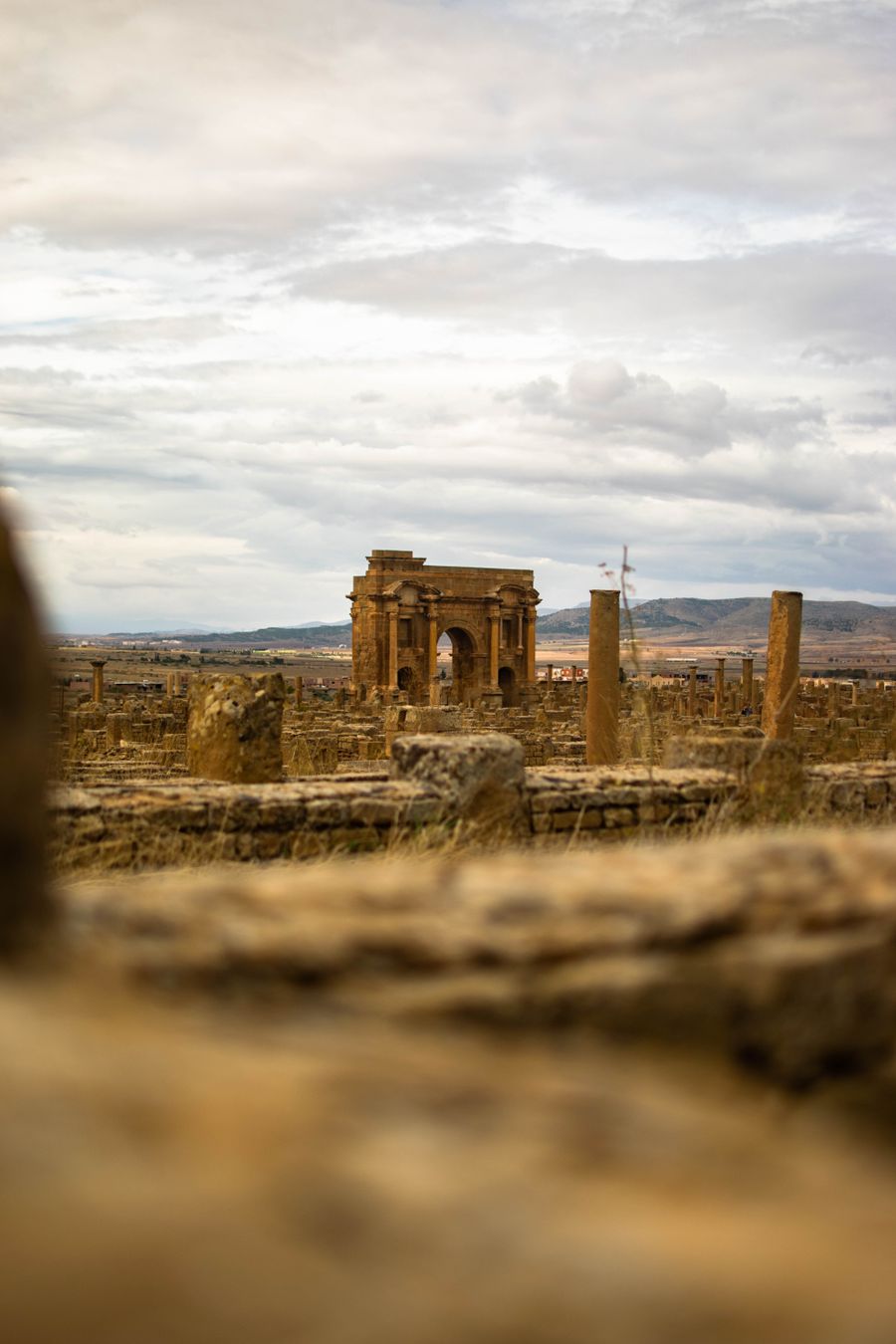
Some of the best-preserved Roman cities anywhere stand almost empty here — Timgad, a complete grid-planned town with its triumphal arch marooned in the highlands, and hillside Djémila and coastal Tipaza, their temples, theatres and mosaics gloriously intact. Antiquity without another tourist in sight.
Constantine & the north
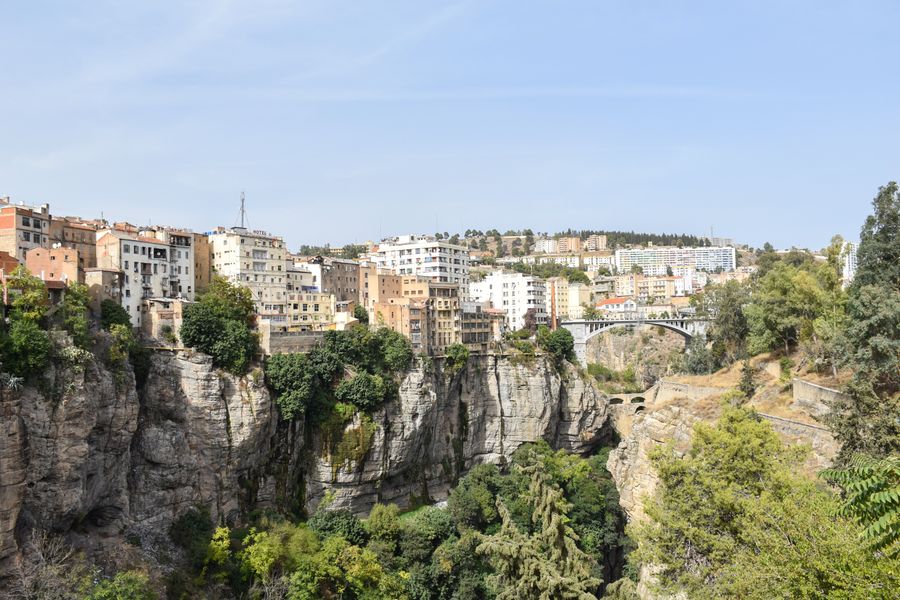
The dramatic "city of bridges," Constantine perches over a deep gorge spanned by vertiginous viaducts — one of Algeria's most striking sights. Beyond it lie the Kabylie mountains, Berber villages, and a green, rugged Mediterranean coast of Roman ruins and quiet beaches.
Timing Is Everything
When to Go
Cool season
The window for the Sahara — comfortable desert days and cool nights. The best all-round time.
Spring
Warm, green in the north, ideal for both the coast/ruins and the desert edges.
Shoulder
Hot but manageable in the north; the deep Sahara becomes very warm.
Summer
Fierce Saharan heat (45°C+) makes desert travel unwise; coast stays busy and hot.
The Route
The Perfect Algeria Itinerary
Algiers
The Casbah, the Martyrs' Memorial, the Bardo museum and nearby Roman Tipaza on the coast.
Roman highlands
The astonishing ruins of Timgad and Djémila, and the bridge-city of Constantine.
The Sahara
Fly south to Djanet or Tamanrasset for Tassili rock art, dunes and desert nights.
Plan Your Spend
What Algeria Costs
Backpacker
Simple hotels, Algerian and Berber food, shared taxis and buses (though independent Sahara travel needs a guide/permit).
Mid-range
Comfortable hotels, organised Sahara tours, drivers for the Roman sites, domestic flights south.
Luxury
The best Algiers hotels, private desert expeditions with 4x4s and camps, dedicated guides.
Estimates per person, excluding international flights. Book stays via our partners to support free guides like this one.
Get the Algeria Insider Brief
New guides, hidden spots and trip deals — weekly, free, unsubscribe anytime.