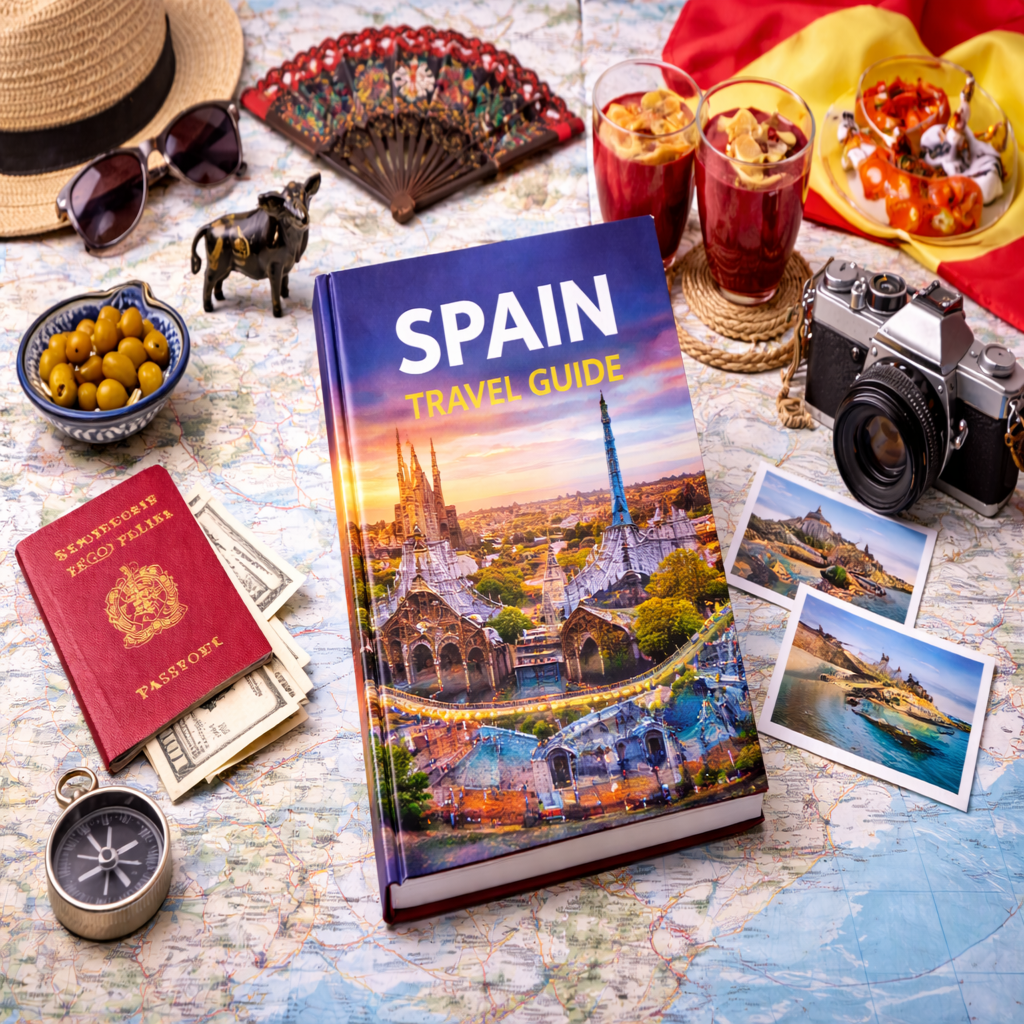
Over seven extended trips spanning more than a year total in Spain, I’ve discovered a country far more complex than beaches and bullfights. From Gaudí’s surreal architecture in Barcelona to Moorish palaces in Granada, from pintxos bars in San Sebastián to flamenco in Seville, from Rioja vineyards to Galician coastline, from siesta culture to endless fiestas, Spain delivers intensity, beauty, and life lived at maximum volume.
This comprehensive guide distills years of Spanish exploration into practical advice for planning your perfect journey—whether you’re a first-timer navigating the highlights or a return visitor seeking authentic experiences beyond the typical tourist trail.
When to Visit Spain: Seasonal Strategies
Spring (April-May): Peak Perfection
Spring brings Spain to life with perfect temperatures (15-25°C/59-77°F), orange blossoms in Seville, wildflowers across countryside, and major festivals like Semana Santa (Holy Week) and Feria de Abril.
Pros: Excellent weather nationwide, festival season, beautiful landscapes, outdoor activities comfortable, reasonable prices early season, long daylight hours.
Cons: Semana Santa and Easter bring crowds and premium prices, May increasingly busy, rain possible in northern regions, advance booking essential for popular destinations.
Fall (September-October): The Sweet Spot
Fall combines summer’s warmth with manageable crowds and harvest celebrations. Wine regions celebrate vendimia (grape harvest), temperatures remain pleasant (18-28°C/64-82°F), and beaches stay swimmable through October.
Pros: Excellent weather, smaller crowds post-summer, harvest festivals, autumn colors in wine regions, lower prices than summer, comfortable sightseeing temperatures.
Cons: September still busy in major cities, November brings rain and shorter days, some coastal businesses begin closing, water temperatures dropping.
Summer (June-August): Heat and Intensity
Summer means long days, beach season, and countless festivals, but also extreme heat inland (35-45°C/95-113°F), overwhelming crowds, premium prices everywhere, and locals escaping cities for vacation.
Pros: Best beach weather, longest days, vibrant festival season (San Fermín, La Tomatina), all attractions open, outdoor life at peak, energetic atmosphere.
Cons: Oppressive heat in Madrid, Seville, and interior regions, extreme crowds at major attractions, highest prices, many locals away in August (some prefer this), midday exploration brutal.
Winter (November-March): Budget Season
Winter offers lowest prices, smallest crowds, mild temperatures in southern regions (12-18°C/54-64°F), ski season in Pyrenees and Sierra Nevada, and authentic local experiences.
Pros: Lowest prices and crowds, Christmas markets and New Year celebrations, skiing in mountains, mild southern weather, authentic atmosphere, easier restaurant reservations.
Cons: Cold and rainy in north, many coastal areas closed, shorter daylight hours, some attractions have reduced hours, can feel sleepy outside major cities.
Regional considerations: Northern Spain (Basque Country, Galicia) is rainy year-round but especially winter. Mediterranean coast mild all year. Madrid and interior extreme—hot summers, cold winters. Andalusia best March-May and September-November to avoid summer inferno.
Essential Destinations Decoded
Barcelona: Gaudí’s Masterpiece (3-5 Days)
Barcelona combines beach culture, Gothic history, modernist architecture, and Catalan pride into Spain’s most cosmopolitan city.
Gaudí essentials: Sagrada Família (book timed entry weeks ahead, sunrise tickets less crowded, still under construction), Park Güell (advance booking required, arrive early), Casa Batlló and Casa Milà (La Pedrera) on Passeig de Gràcia, Hospital de Sant Pau.
Gothic Quarter (Barri Gòtic): Medieval labyrinth, Barcelona Cathedral, Plaça Reial, narrow atmospheric streets, shops and tapas bars, picturesque getting lost.
La Rambla and surroundings: Famous pedestrian boulevard (touristy but iconic), La Boqueria market (front stalls tourist traps, back sections authentic), Raval neighborhood (multicultural, edgy).
Barceloneta and beaches: City beach accessibility, seafood restaurants, Port Olímpic, boardwalk atmosphere, swimming June-October.
Montjuïc: Castle with harbor views, Olympic Stadium, Museu Nacional d’Art de Catalunya (MNAC), Magic Fountain evening show, Joan Miró Foundation.
Beyond the obvious: El Born neighborhood (trendy boutiques, Picasso Museum, Santa Maria del Mar church), Gràcia neighborhood (local atmosphere, Plaça del Sol nightlife), Bunkers del Carmel (spectacular panoramic views, sunset gathering spot).
Practical Barcelona: Barcelona Card provides public transport and museum discounts. Metro efficient for most areas. Pickpocketing is rampant—stay vigilant on metro and near tourist sites. Many museums close Mondays. Restaurant tourists traps line La Rambla—eat in El Born, Gràcia, or Poble Sec for better value.
Madrid: Capital Energy (3-5 Days)
Madrid offers world-class museums, royal grandeur, incredible food scene, vibrant nightlife, and authentic Spanish urban culture.
Art triangle: Prado Museum (Velázquez, Goya, world’s finest Spanish art collection), Reina Sofía (Picasso’s Guernica, modern art), Thyssen-Bornemisza (comprehensive European collection). Allow 2-3 hours each minimum.
Royal Madrid: Royal Palace (lavish rooms, claims more rooms than Buckingham Palace), Almudena Cathedral, Plaza Mayor, Puerta del Sol (city center, kilometer zero).
Parks and squares: Retiro Park (massive urban park, Crystal Palace, rowing boats, Sunday atmosphere), Gran Vía (shopping and theater boulevard), Plaza de Cibeles, Plaza de España.
Neighborhoods: Malasaña (hipster central, vintage shops, alternative nightlife), Chueca (LGBTQ+ hub, trendy restaurants), La Latina (tapas paradise especially Sunday El Rastro market), Lavapiés (multicultural, authentic, edgy).
Food experiences: Mercado de San Miguel (gourmet tapas, wine, touristy but quality), traditional tabernas, vermouth culture (vermut on tap), chocolate con churros at San Ginés.
Day trips: Toledo (1 hour, medieval city, El Greco art), Segovia (1.5 hours, Roman aqueduct, fairy-tale castle, roast suckling pig), El Escorial (monastery-palace complex).
Seville: Andalusian Soul (2-4 Days)
Seville epitomizes southern Spanish passion—flamenco, tapas culture, Moorish architecture, orange trees, and intense summer heat.
Major monuments: Alcázar (stunning Mudéjar palace and gardens, Game of Thrones filming location, book ahead), Cathedral and Giralda tower (world’s largest Gothic cathedral, Columbus tomb), Plaza de España (massive semicircular plaza, tile alcoves).
Neighborhoods: Santa Cruz (Jewish quarter, narrow white streets, romantic atmosphere), Triana (flamenco heart, ceramic workshops, bullring area), Alameda de Hércules (bohemian nightlife).
Flamenco: Authentic tablao experiences (Casa de la Memoria, La Carbonería), Thursday peña clubs, bar spontaneous performances. Tourist shows exist but research carefully—quality varies dramatically.
River and parks: Guadalquivir river promenade, Parque de María Luisa, Torre del Oro, modern Metropol Parasol (“Las Setas”) for city views.
Practical Seville: Summer heat (40°C+/104°F+) is brutal—plan indoor time midday, evening activities. Many shops close 2-5pm for siesta. Walking is best for the compact center. April’s Feria de Abril is spectacular but everything books out and prices triple.
Granada: Moorish Marvel (2-3 Days)
Granada preserved Spain’s greatest Islamic monument and maintains distinct character with strong North African influence.
Alhambra: Spain’s most visited monument—exquisite Nasrid Palaces, Generalife gardens, Alcazaba fortress. Book tickets months ahead (limited daily entry), especially for Nasrid Palaces with timed slots. Night visits offer different perspective. Allow half day minimum.
Albaicín: Historic Arab quarter opposite Alhambra, white-washed houses, narrow streets, Mirador de San Nicolás (sunset views of Alhambra with Sierra Nevada backdrop), tea houses (teterías), Moorish baths.
Sacromonte: Gypsy cave houses, flamenco zambra shows in caves (touristy but atmospheric setting), Abbey with city views.
Free tapas culture: Granada’s unique tradition—every drink comes with free tapa, getting more substantial with each round. Genuine cultural experience and budget-friendly.
Valencia: Mediterranean Surprise (2-3 Days)
Valencia blends beach life, futuristic architecture, historic charm, and claims to paella’s origin (and fierce pride about it).
City of Arts and Sciences: Santiago Calatrava’s futuristic complex—Oceanogràfic (Europe’s largest aquarium), Science Museum, Hemisfèric IMAX, Opera House, stunning modern architecture.
Historic center: Cathedral (claims Holy Grail), La Lonja (Gothic silk exchange), Central Market (stunning art nouveau building, incredible produce), Plaza de la Virgen.
Beaches and gardens: Malvarrosa beach (metro-accessible city beach), Turia Gardens (9km of parks in former riverbed), Marina district.
Paella experience: Paella originated here—Valencia style is chicken, rabbit, and green beans (not seafood). Eat at restaurants in Albufera lake area for authentic versions. Never order paella for one person—it’s communal dish.
Las Fallas: March festival features massive artistic sculptures burned on final night, fireworks, parties, and city-wide celebration. Book accommodation a year ahead.
San Sebastián (Donostia): Culinary Paradise (2-3 Days)
San Sebastián boasts the world’s highest concentration of Michelin stars per capita, stunning beaches, and Basque culture.
Pintxos culture: Basque tapas on bread—bar hopping Parte Vieja (Old Town) eating one pintxo and having one drink per bar is essential experience. Crowds peak 9-11pm. Favorites: La Cuchara de San Telmo, Gandarias, Txepetxa, Bar Sport.
Beaches: La Concha (elegant crescent bay, city beach), Zurriola (surf beach), Monte Igueldo (funicular to panoramic views).
Michelin dining: Arzak, Mugaritz, Akelarre for special occasion dining (book months ahead, expensive but world-class). More accessible: Bodegón Alejandro, Kokotxa.
Basque Country: Day trips to Bilbao (Guggenheim Museum, 1.5 hours), French Basque coast, wine regions (Rioja 2 hours, Txakoli closer).
Rioja Wine Country (2-3 Days)
La Rioja produces Spain’s most famous wines and offers beautiful vineyard landscapes, medieval towns, and world-class wine tourism.
Base towns: Logroño (capital, excellent tapas scene on Calle Laurel), Haro (traditional wineries, wine battle festival), Laguardia (medieval hilltop town).
Winery visits: Traditional bodegas (Marqués de Riscal, Bodegas Muga) and modern architectural statements (Ysios, Marqués de Riscal’s Gehry building). Many require reservations. Tastings typically €10-30.
Beyond wine: Santo Domingo de la Calzada (historic Camino de Santiago town), San Millán de la Cogolla (monasteries, UNESCO sites), Bardenas Reales (desert badlands landscape).
Costa del Sol and White Villages (3-5 Days)
Andalusian coast combines beaches, traditional white villages, and diverse activities from Málaga to Gibraltar.
Málaga: Underrated city—Picasso Museum and birthplace, Alcazaba fortress, Cathedral, thriving tapas scene, beaches, cruise port, good base.
White villages (Pueblos Blancos): Ronda (dramatic gorge, bullring, bridges), Frigiliana (gorgeous whitewashed village), Grazalema, Zahara de la Sierra, Arcos de la Frontera.
Resorts: Marbella (upscale), Torremolinos (budget), Nerja (caves and beaches), Gibraltar (British territory, monkeys, tax-free shopping).
Practical advice: Rent a car for white villages—public transport limited. Summer extremely hot and crowded. Off-season (November-March) many things close but peaceful and affordable.
Spanish Food Culture Mastery
Meal timing: Breakfast 8-10am (light—coffee and pastry), lunch 2-4pm (main meal), dinner 9-11pm (lighter than lunch). Restaurants empty at 7pm, full by 10pm.
Tapas culture: Small plates for sharing, bar hopping eating one or two tapas per place. In Madrid/southern Spain, some tapas are free with drinks. In Barcelona/northern Spain, they’re called pintxos/pinchos and always paid. Standing at bar is traditional and cheaper than sitting.
Regional specialties:
- Barcelona/Catalonia: Pa amb tomàquet (bread with tomato), escalivada (roasted vegetables), calçots (spring onions), crema catalana
- Madrid: Cocido madrileño (chickpea stew), callos (tripe), bocadillo de calamares (squid sandwich)
- Andalusia: Gazpacho, salmorejo, pescaíto frito (fried fish), jamón ibérico from Jabugo
- Basque Country: Pintxos, marmitako (tuna stew), bacalao al pil-pil (cod), idiazabal cheese
- Valencia: Paella valenciana (chicken and rabbit), horchata (tiger nut drink), buñuelos
- Galicia: Pulpo a la gallega (octopus), percebes (goose barnacles), Albariño wine
Jamón ibérico: Premium acorn-fed ham, Spain’s culinary pride. Quality levels: jamón serrano (basic), jamón ibérico (better), jamón ibérico de bellota (acorn-fed, best). Expensive but worth trying quality versions.
Wine culture: Rioja, Ribera del Duero (reds), Albariño, Verdejo (whites), Cava (sparkling from Catalonia), Sherry from Jerez. Regional wines are always good choices. Wine with lunch is normal.
Vermouth culture: Especially Madrid—on-tap vermouth (vermut de grifo) served with soda, olive, and orange slice. Sunday tradition.
Churros con chocolate: Thick hot chocolate for dipping fried dough. Breakfast food or late-night post-clubbing snack.
Practical Spain Travel Essentials
Transportation:
Trains (RENFE): Excellent high-speed AVE network—Madrid to Barcelona 2.5 hours, Madrid to Seville 2.5 hours, Madrid to Valencia 1.5 hours. Book in advance for best prices. Regional trains connect smaller towns. Validate tickets before boarding regional trains.
Buses (ALSA): Extensive network, often cheaper than trains, sometimes only option for smaller towns. Comfortable, reliable, advance booking advised for popular routes.
Flights: Domestic flights competitive for long distances (Barcelona-Seville). Budget airlines (Vueling, Ryanair) connect cities. Multiple airports—Madrid, Barcelona, Málaga, Valencia, Seville, Bilbao.
Driving: Good highways (some toll), scenic rural roads. Parking in cities difficult and expensive. Rentals affordable. International driving permit recommended. Useful for white villages, wine country, rural areas.
City transport: Madrid and Barcelona have excellent metros. Seville, Valencia, Bilbao have metro/tram. Buses work well in all cities. Bicing/city bike shares common.
Money and Budgeting:
Daily costs by tier:
- Budget: €40-70/day (hostels, supermarket meals, public transport, free attractions)
- Mid-range: €100-150/day (modest hotels, tapas meals, some restaurants, activities)
- Comfortable: €180-300+/day (nice hotels, restaurant meals, wine, tours, convenience)
Payment: Credit cards widely accepted. Carry cash for small bars, markets, rural areas. ATMs abundant. Inform bank before traveling.
Tipping: Not obligatory—service included in bills. Round up for good service (€1-2 for drinks/tapas, 5-10% for exceptional restaurant service). Taxi drivers don’t expect tips.
Understanding Spanish Culture
Siesta: Many shops close 2-5pm, especially in smaller towns and summer. Not nap time for most—lunch time with family. Restaurants stay open. Tourist attractions mostly stay open.
Language: Spanish (Castellano) spoken everywhere. Regional languages strong in some areas—Catalan (Barcelona, Valencia), Basque (Euskera), Galician. English common in tourist areas, less so elsewhere. Effort to speak Spanish appreciated.
Essential phrases: “Hola” (hello), “Gracias” (thank you), “Por favor” (please), “La cuenta, por favor” (the check please), “¿Hablas inglés?” (do you speak English?), “Perdón” (excuse me).
Greeting customs: Kissing cheeks (dos besos—two kisses, alternating cheeks) between women, and between men and women. Men typically shake hands with men. Wait for Spanish people to initiate with tourists.
Late schedule: Everything happens later—lunch at 2pm, dinner at 10pm, nightlife starting midnight or later. Embrace it rather than fighting it.
Festive culture: Every town has annual fiestas. Expect noise, crowds, closed businesses, street parties. Either avoid or embrace—no middle ground.
Regional pride: Spain is collection of distinct regions. Catalans, Basques, and Galicians have strong separate identities. Don’t call Catalan “Spanish” in Barcelona—they’ll correct you. Respect regional differences.
Sample Spain Itineraries
Classic Spain (10-14 Days)
Days 1-3: Barcelona – Gaudí, Gothic Quarter, beaches, tapas Days 4-5: Valencia – City of Arts, paella, beach Days 6-8: Granada and Seville – Alhambra, Alcázar, flamenco Days 9-11: Madrid – Museums, royal palace, neighborhoods Days 12-14: Toledo day trip and departure – Medieval city, return to Madrid
Essential highlights connected by efficient trains.
Northern Spain (12-14 Days)
Days 1-3: Barcelona – Essential exploration Days 4-5: San Sebastián – Pintxos, beaches, Basque culture Days 6-7: Bilbao – Guggenheim, old town, food scene Days 8-9: Rioja wine country – Wineries, medieval towns Days 10-11: Madrid – Capital culture Days 12-14: Segovia, Salamanca, or return – Historic cities
Focuses on food, wine, and northern culture.
Andalusian Adventure (10-12 Days)
Days 1-3: Seville – Alcázar, Cathedral, flamenco, tapas Days 4-5: Córdoba – Mezquita, Jewish quarter (day trip or overnight) Days 6-8: Granada – Alhambra, Albaicín, Sierra Nevada Days 9-11: White villages and Costa del Sol – Ronda, Málaga, beaches Days 12: Return via Málaga or Seville
Southern Spain’s Moorish heritage and beauty.
Two-Week Deep Dive (14-16 Days)
Days 1-3: Madrid – Arrival, museums, neighborhoods Days 4-5: Toledo and Segovia – Day trips from Madrid Days 6-8: Barcelona – Architecture, culture, coast Days 9-10: Valencia – Mediterranean charm Days 11-13: Seville and Córdoba – Andalusian heritage Days 14-15: Granada – Alhambra and surroundings Days 16: Málaga departure – Final beach time
Comprehensive Spain experience with varied regions.
Essential Packing and Preparation
Clothing: Smart casual—Spanish dress well especially evenings. Comfortable walking shoes for cobblestones. Layers for temperature variations. Light jacket even summer (air conditioning). Modest clothing for churches (covered shoulders and knees).
Sun protection: Spanish sun is intense—high SPF sunscreen, sunglasses, hat essential especially summer.
Adapters: Type C and F plugs (two round pins). Universal adapter works.
Documents: Passport, travel insurance, accommodation confirmations, train tickets, driver’s license if renting cars.
Useful items: Reusable water bottle, small day pack, Spanish phrasebook or app, portable charger, afternoon snacks (restaurants closed 5-8pm).
Making Spain Unforgettable
Spain rewards surrendering to its rhythm. Don’t fight the late schedule—embrace afternoon siestas, long lunches, dinners at 10pm, and nightlife starting at midnight. This isn’t inefficiency; it’s lifestyle refined over centuries.
Eat tapas properly. Bar hopping with locals, standing at bars, trying regional specialties rather than sitting in tourist restaurants ordering full meals is how you experience authentic Spanish food culture.
Go beyond Barcelona and Madrid. Basque Country’s food scene, Galicia’s dramatic coastline, Andalusia’s Moorish heritage, Rioja’s vineyards—Spain’s diversity rewards exploration.
Learn basic Spanish. Even attempting phrases opens doors. Spanish people appreciate effort enormously and become incredibly helpful and warm when you try.
Accept regional differences. Spain isn’t one unified culture—it’s Castilian, Catalan, Basque, Galician, Andalusian cultures coexisting sometimes tensely. Understanding this complexity enriches your experience.
Spain combines artistic masterpieces, architectural wonders, incredible food, passionate culture, diverse landscapes, and people who live intensely. It’s not subtle or quiet, but it’s endlessly captivating.
Your Spanish adventure awaits—prepare for late nights, long lunches, passionate debates, flamenco rhythms, Gaudí’s impossible curves, endless tapas, and a country that lives every moment fully.
¡Buen viaje! — Have a great trip!
What Spanish experience excites you most? Share your Spain travel questions, tips, or favorite moments in the comments to help fellow GlobeTrailGuide readers plan their perfect Spanish journey!