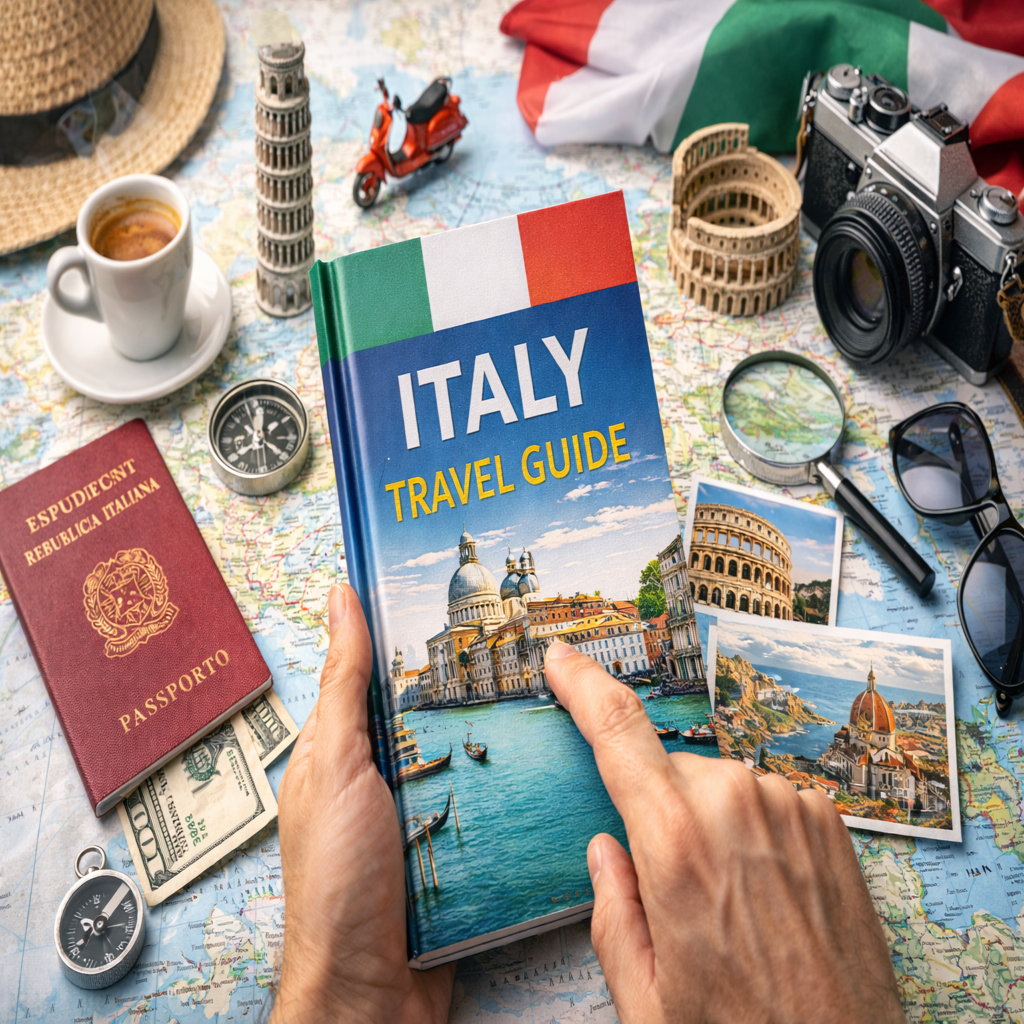
I’ll never forget my first morning in Rome—stumbling into a tiny café near the Pantheon, ordering an espresso and cornetto with terrible Italian, and watching the city wake up around me. That moment, multiplied across hundreds of experiences in dozens of Italian cities over the past eight years, has made Italy my most-visited country and the destination I recommend most often to travelers seeking that perfect blend of history, culture, food, and beauty.
Italy isn’t just a country—it’s a collection of distinct regions, each with unique character, cuisine, dialects, and traditions. From the Alpine peaks of the north to the sun-drenched beaches of Sicily, from Renaissance masterpieces in Florence to ancient ruins in Rome, from canal-crossed Venice to the dramatic Amalfi Coast, Italy offers such diversity that you could visit twenty times and still discover something new.
This comprehensive guide distills everything I’ve learned from extensive Italian travels into practical advice for planning your perfect Italian adventure—whether it’s your first visit focused on the highlights or a deeper exploration of the country’s lesser-known treasures.
When to Visit Italy: Timing Your Perfect Trip
Spring (April-May): Peak Beauty, Growing Crowds
Spring is arguably Italy’s most beautiful season. Wildflowers bloom in Tuscany, temperatures are comfortable (15-22°C/60-72°F), and Easter celebrations add cultural richness. The downsides: increasing tourist numbers, occasional rain, and higher prices approaching summer levels.
Best for: Tuscany countryside, Cinque Terre hiking, Rome and Florence sightseeing, visiting gardens and outdoor sites.
Summer (June-August): Peak Season Trade-offs
Summer brings long days, beach weather, and festival seasons, but also intense heat (often 30-35°C/86-95°F), overwhelming crowds at major attractions, premium prices, and locals escaping cities for vacation. August sees many businesses closed as Italians take annual holidays.
Best for: Beach destinations (Amalfi, Sicily, Sardinia), lake regions (Como, Garda), outdoor dining, and accepting crowds as the price of warm weather.
Fall (September-October): The Sweet Spot
Early fall combines summer’s warm weather with diminishing crowds and harvest season delights. Wine harvests, truffle seasons, and food festivals make this prime time for culinary travelers. Temperatures remain pleasant (18-25°C/64-77°F) through October.
Best for: Wine regions (Tuscany, Piedmont), food-focused travel, cities without summer’s oppressive crowds, ideal weather for sightseeing.
Winter (November-March): Budget Beauty
Winter offers lowest prices, smallest crowds, and magical Christmas markets, but shorter days, cold temperatures (5-12°C/41-54°F), and some coastal areas shut down entirely. Museums and cities remain accessible while beach destinations hibernate.
Best for: Major cities (Rome, Florence, Venice), museums and indoor attractions, budget travelers, experiencing authentic local life without tourist hordes.
Italy’s Essential Destinations
Rome: The Eternal City (3-5 Days Minimum)
Rome demands time. Three days covers highlights; five allows deeper exploration. The Colosseum, Roman Forum, and Palatine Hill form the ancient heart—book skip-the-line tickets weeks in advance. Vatican City requires a full day: Vatican Museums culminating in the Sistine Chapel, St. Peter’s Basilica, and the climb to the dome for spectacular views.
Beyond the famous sites, Rome reveals itself through wandering. Trastevere’s cobblestone streets and local trattorias, the Testaccio neighborhood for authentic food markets, the Jewish Ghetto’s layered history, and countless piazzas where you can sit with espresso and simply observe Roman life.
Essential experiences: Throwing coins in Trevi Fountain (arrive early to avoid crowds), exploring the Pantheon (still free entry), evening passeggiata along Via del Corso, Sunday morning at Campo de’ Fiori market, sunset from Pincian Hill overlooking Piazza del Popolo.
Where to stay: Trastevere for charm and restaurants, Monti for boutique hotels and local feel, near Termini for budget and train access (though less atmospheric).
Florence: Renaissance Masterpiece (2-4 Days)
Florence packs extraordinary art into a compact, walkable city. The Uffizi Gallery houses Renaissance masterpieces—book timed entry weeks ahead. Climbing the Duomo’s dome (463 steps, no elevator) rewards with Florence’s best views. Michelangelo’s David at the Accademia deserves its fame—again, book in advance.
The Oltrarno neighborhood across the river offers artisan workshops, quieter streets, and the expansive Boboli Gardens. Climb to Piazzale Michelangelo at sunset for postcard views of the city’s terracotta rooftops and Duomo silhouette.
Food focus: Florence invented bistecca alla fiorentina (massive T-bone steak). Try it at traditional spots like Trattoria dall’Oste. The Mercato Centrale offers food stalls and cooking classes. Florentine aperitivo culture provides substantial free food with evening drinks.
Day trips: Tuscany’s countryside beckons—Siena’s medieval beauty (1 hour by bus), San Gimignano’s towers (1.5 hours), Chianti wine region tours.
Venice: Floating Wonder (2-3 Days)
Venice is simultaneously magical and overwhelming. St. Mark’s Square and Basilica, Doge’s Palace, and Rialto Bridge draw massive crowds—visit early morning or evening. The real Venice emerges in quieter neighborhoods: Cannaregio’s authentic feel, Dorsoduro’s art galleries and university atmosphere, getting deliberately lost in the maze of calli (streets) and discovering hidden campi (squares).
Take the vaporetto (water bus) down the Grand Canal at sunset—it’s the city’s most scenic transportation. Islands deserve time: Murano for glass-making demonstrations, Burano for colorful houses and lace-making, Torcello for peaceful Byzantine mosaics.
Avoiding tourist traps: Restaurants near St. Mark’s are overpriced and mediocre. Walk 10 minutes in any direction for better value and quality. Avoid €15 Aperol spritzes in the square—locals pay €4-6 elsewhere.
Where to stay: San Polo or Santa Croce for location without St. Mark’s prices, Cannaregio for value and authenticity, Dorsoduro for quieter charm. Skip Mestre (mainland)—you came for Venice, not a commute.
Tuscany: Rolling Hills and Medieval Towns (3-7 Days)
Tuscany rewards slow travel. Base yourself in smaller towns rather than rushing through: Siena’s medieval perfection and the Palio horse race, San Gimignano’s preserved towers and sunset views, Lucca’s walkable city walls and bicycle loops, Montepulciano and Montalcino in wine country.
The Val d’Orcia valley epitomizes Tuscany’s postcard beauty—rolling hills, cypress-lined roads, hilltop villages. Rent a car for maximum freedom, or use buses and join organized wine tours from Florence.
Wine experiences: Chianti Classico wineries offer tours and tastings, Montalcino produces Brunello, Montepulciano creates Vino Nobile. Many wineries welcome visitors; some require reservations.
Cinque Terre: Coastal Paradise (2-3 Days)
Five colorful villages cling to dramatic cliffs along the Italian Riviera. The hiking trail connecting villages offers stunning coastal views, though portions occasionally close due to landslides—check current status before planning hikes.
The villages: Monterosso has the only real beach and most accommodation. Vernazza is the most picturesque and photographed. Corniglia sits atop cliffs requiring 377 steps from the train. Manarola offers the famous vineyard views. Riomaggiore features the tiny harbor and swimming spots.
Practical advice: Buy the Cinque Terre Card for unlimited train travel between villages and trail access. Trains run every 15-30 minutes connecting all five towns in under 30 minutes total. Summer brings crushing crowds—visit in shoulder season if possible.
Amalfi Coast: Dramatic Beauty (3-5 Days)
The Amalfi Coast trades Cinque Terre’s hiking accessibility for dramatic scale and upscale sophistication. Positano’s vertical village cascades toward the sea with designer boutiques and beautiful people. Amalfi town offers the stunning cathedral and slightly more grounded atmosphere. Ravello perches high above with gardens offering spectacular views.
Transportation challenges: The coastal road is spectacular but terrifying to drive yourself. Public buses work but are crowded and slow. Private drivers cost €200-400 for the day but eliminate stress. Ferries connect coastal towns beautifully in summer.
Where to stay: Positano is gorgeous but extremely expensive. Amalfi town offers better value. Sorrento makes an excellent base—cheaper, better connected, less dramatic but more practical.
Day trip: Pompeii sits just 30 minutes from Sorrento—the remarkably preserved Roman city buried by Vesuvius in 79 AD. Allow 3-4 hours minimum; hire a guide to bring ruins to life.
Milan: Fashion and Beyond (1-2 Days)
Milan often gets dismissed as merely a business or fashion city, but offers genuine appeal. The Duomo’s Gothic magnificence includes rooftop walks among spires. Da Vinci’s Last Supper requires advance booking (often months ahead) but rewards with intimate viewing of the masterpiece.
The Navigli canal district comes alive evenings with aperitivo culture—€10-12 drinks include impressive buffets. Fashion lovers pilgrimage to the Quadrilatero d’Oro shopping district. Art enthusiasts visit the Pinacoteca di Brera.
Practical role: Milan’s airports and train connections make it an efficient entry/exit point for Italy and gateway to the Lakes region.
Italian Lakes: Alpine Beauty (2-4 Days)
Lake Como attracts celebrities and honeymooners with good reason. Bellagio’s elegant villas and gardens, Varenna’s colorful waterfront charm, and Como town’s funicular to mountain views create a romantic atmosphere. Take ferry services connecting lakeside towns with mountain backdrops.
Lake Garda, Italy’s largest, offers beaches, water sports, and dramatic scenery. The northern end near Riva del Garda provides Alpine atmosphere; southern areas like Sirmione offer Roman ruins and relaxed beach culture.
Lake Maggiore gets less attention but rewards visitors with peaceful beauty and the spectacular Borromean Islands with baroque palaces and gardens.
Sicily: Island of Contrasts (5-7 Days Minimum)
Sicily deserves its own trip, not a quick add-on. Palermo’s chaotic markets and Arab-Norman architecture, Taormina’s Greek theater with Etna views, Syracuse’s ancient Greek ruins, Agrigento’s Valley of the Temples, and Mount Etna’s volcanic landscapes showcase incredible diversity.
The food culture is distinctly Sicilian—arancini, fresh seafood, cassata, granita, and pasta alla Norma. Markets like Palermo’s Ballarò and Vucciria pulse with energy and street food.
Practical advice: Sicily requires a car for true exploration, or commitment to bus schedules. Allow more time than mainland Italy—distances are deceptive and driving is slower.
Italian Food and Dining Culture
Regional Specialties You Must Try
Rome: Carbonara (pasta with egg, pecorino, guanciale), cacio e pepe (pasta with cheese and pepper), saltimbocca (veal with prosciutto and sage), Jewish artichokes.
Florence/Tuscany: Bistecca alla fiorentina (massive T-bone steak), ribollita (hearty vegetable soup), pappa al pomodoro (tomato and bread soup), wild boar dishes.
Naples/Campania: Pizza (the original and still the best), buffalo mozzarella from Campania, spaghetti alle vongole (with clams), sfogliatella pastries.
Bologna/Emilia-Romagna: Tagliatelle al ragù (the real Bolognese), tortellini in brodo, Parmigiano-Reggiano and Prosciutto di Parma, balsamic vinegar from Modena.
Venice/Veneto: Sarde in saor (sweet and sour sardines), risi e bisi (rice and peas), bigoli pasta, cicchetti (Venetian tapas).
Sicily: Arancini (fried rice balls), pasta con le sarde (with sardines and fennel), caponata, cannoli, granita.
Dining Etiquette and Cultural Norms
Meal timing: Italians eat late. Lunch runs 12:30-2:30pm, dinner starts 7:30-8:00pm at earliest, often later. Restaurants opening at 6:00pm cater to tourists, not locals.
Coperto and service: Cover charge (coperto) of €1-3 per person is standard—this isn’t a scam, it’s paying for bread and table service. Service charge (servizio) sometimes appears on bills; if not, small tips (€1-2 per person or 5-10% for exceptional service) are appreciated but not mandatory like in the US.
Course structure: Traditional Italian meals include antipasto (appetizers), primo (pasta or risotto), secondo (meat or fish) with contorno (vegetable sides), dolce (dessert), and caffè. You’re not obligated to order every course—many Italians eat just primo and secondo or primo and contorno.
Coffee culture: Cappuccino is a breakfast drink only—order it after 11am and you’ll be marked as a tourist. Post-meal coffee means espresso, standing at the bar. A cappuccino costs €1.20-1.50 at the bar, €3-5 seated. When in Rome (or anywhere in Italy), stand at the bar like locals.
Water and wine: Tap water is safe but rarely served. Order “acqua naturale” (still) or “frizzante” (sparkling). House wine (vino della casa) is often excellent value. Italians drink wine with meals, not to get drunk—pace accordingly.
Finding Great Food
Red flags: Menus with pictures, aggressive hosts pulling you inside, menus in 6+ languages, locations directly on major tourist squares.
Good signs: Locals dining inside, handwritten menus or daily specials, simple décor focused on food not ambiance, locations off main tourist streets.
Markets and street food: Central markets in every city offer incredible food halls. Rome’s Campo de’ Fiori and Testaccio Market, Florence’s Mercato Centrale, Bologna’s Mercato di Mezzo provide authentic experiences and great value.
Aperitivo culture: In northern Italy especially, evening aperitivo (roughly 6-9pm) means drinks (€8-12) come with free buffets that can constitute dinner. Milan, Turin, and Bologna excel at this.
Practical Italy Travel Essentials
Transportation
Trains: Trenitalia and Italo operate excellent train networks. High-speed Frecce trains connect major cities quickly—Rome to Florence in 1.5 hours, to Venice in 4 hours. Book in advance for best prices. Regional trains are slower but cheaper and don’t require reservations.
Train tips: Validate regional train tickets in yellow machines before boarding or face fines. High-speed tickets are pre-validated. First-class (prima classe) costs 30-50% more—worth it on crowded routes. Senior discounts (60+) and youth discounts (under 30) available.
Driving: Rent a car for Tuscany, Umbria, or Sicily where public transport is limited. ZTL (limited traffic zones) in historic centers mean cameras photograph your license plate and fines arrive months later at rental companies who charge admin fees plus the fine. Park outside ZTL zones. International Driving Permit required technically but rarely checked.
City transportation: Most Italian cities are compact and walkable. Rome and Milan have metros. Florence is entirely walkable. Venice uses vaporetto water buses (expensive but necessary—€9.50 for 75 minutes, unlimited day passes better value). Taxis are expensive; use only from official stands or apps.
Accommodation Strategies
Hotels vs. Apartments: Hotels in city centers cost €80-200+ for mid-range doubles. Airbnb apartments offer better value for groups or longer stays, plus kitchens for breakfast and snacks. Agriturismi (farm stays) in Tuscany and Umbria provide authentic countryside experiences with home-cooked meals.
Booking timing: Book 1-3 months ahead for good selection and prices. Last-minute deals exist in shoulder season but risk in summer. City tourist taxes (€2-7 per person per night) are added at checkout, not included in booking prices.
Location matters: In Venice, staying in Venice proper costs more but saves commute time and lets you experience evening/morning tranquility. In Florence, across the Arno in Oltrarno offers charm at lower prices. In Rome, Trastevere and Monti provide local feel; near Termini station offers convenience not atmosphere.
Money and Budgeting
Daily costs by tier:
- Budget: €50-80/day (hostel dorms, street food, public transport, free sites)
- Mid-range: €120-180/day (private rooms, restaurants, activities, some taxis)
- Comfortable: €200-350+/day (nice hotels, quality dining, tours, convenience)
Payment: Credit cards widely accepted in cities and tourist areas. Smaller towns and family restaurants may be cash-only. ATMs abundant—use bank ATMs not exchange services for best rates. Notify your bank before travel.
Saving money: Aperitivo dinners, picnic lunches from markets, free museum days (usually first Sunday monthly), walking instead of taxis, house wine instead of bottles, standing at bars for coffee (€1.20) instead of sitting (€3-5).
Language and Communication
English is spoken in tourist areas and by younger Italians, especially in cities. Smaller towns and older generations require basic Italian. Learn essential phrases: “Buongiorno” (good morning/hello), “grazie” (thank you), “per favore” (please), “scusi” (excuse me), “non parlo italiano” (I don’t speak Italian), “il conto per favore” (the check please).
Translation apps: Google Translate’s camera function reads menus and signs in real-time—invaluable for understanding regional dishes and ingredients.
Communication culture: Italians are warm and expressive. Greeting shopkeepers when entering stores is expected. Small talk and relationship-building matter more than in Northern Europe or North America.
Safety and Scams
Italy is generally safe. Violent crime against tourists is rare. Petty theft and pickpocketing concentrate in tourist areas—Rome’s Termini station, Florence’s crowded markets, Venice’s vaporettos, Milan’s metro.
Common scams: Friendship bracelets forcibly tied to your wrist then demanding payment, fake petition signatures leading to pickpocketing while distracted, restaurants with one menu outside showing prices and different menu inside with higher prices, unofficial tour guides at major sites.
Staying safe: Money belt or hidden pouch for passport and backup cards, day bag in front of you in crowds, avoid showing expensive electronics on trains, don’t leave bags on empty chairs in restaurants, be assertive saying no to street vendors.
Sample Italy Itineraries
Classic First-Timer (10-14 Days)
Days 1-3: Rome – Colosseum, Forum, Vatican, Trastevere wandering, major piazzas Days 4-6: Florence – Uffizi, Duomo, David, Oltrarno, day trip to Tuscany Days 7-9: Venice – St. Mark’s, Doge’s Palace, islands, getting lost in neighborhoods Days 10-11: Cinque Terre – Village hopping, hiking coastal trails Days 12-14: Milan or direct home – Last Supper, Duomo, shopping, aperitivo
This covers Italy’s highlights efficiently. Travel by train throughout—all cities well-connected.
Tuscany Deep Dive (7-10 Days)
Days 1-3: Florence base – City sights, day trips to nearby towns Days 4-7: Countryside base – Rent car, stay in Siena, Montalcino, or San Gimignano, explore Val d’Orcia, wine tastings, hilltop villages Days 8-10: Lucca and Pisa – Lucca’s walls, Pisa’s tower, coastal relaxation
Perfect for food and wine lovers wanting slower pace and deeper cultural immersion.
North to South Adventure (3 Weeks)
Week 1: North – Milan (2 days), Lake Como (2 days), Venice (3 days) Week 2: Center – Florence (3 days), Tuscany countryside (3 days), Rome (4 days) Week 3: South – Amalfi Coast (4 days), Sicily (6+ days) or return north
This provides comprehensive Italy experience from Alps to Mediterranean islands.
Southern Focus (2 Weeks)
Days 1-4: Rome – Thorough exploration of the capital Days 5-6: Naples – Pizza pilgrimage, Pompeii day trip, chaotic energy Days 7-10: Amalfi Coast – Positano, Amalfi, Ravello, boat tours Days 11-14: Sicily – Palermo, Taormina, Etna, Syracuse
Southern Italy offers warmer weather, more affordable prices, and fewer tourists than the north.
Essential Packing for Italy
Clothing: Layers essential—churches require covered shoulders and knees, air conditioning blasts indoors, evening temperatures drop. Comfortable walking shoes broken in before arrival—you’ll walk 10-15 miles daily easily. One nicer outfit for upscale restaurants. Avoid athletic wear in cities—Italians dress more formally.
Adapters and electronics: Italy uses Type L plugs (three round prongs). Universal adapter works but dedicated Type L adapter fits better. Portable charger essential for long days out.
Other essentials: Small day pack for sightseeing, reusable water bottle (fill from fountains), travel umbrella (rain can strike any season), sunscreen and hat (summer sun is intense), basic first-aid supplies and any prescription medications.
What to buy there: Italian leather goods (jackets, bags, wallets), local ceramics (Deruta, Vietri sul Mare), wine and food products (olive oil, balsamic vinegar, pasta), specialty items from regions you visit.
Making the Most of Your Italian Adventure
Italy rewards preparation but also spontaneity. Book major museums and attractions in advance to skip lines, but leave time for wandering and discovering unexpected piazzas, cafés, and moments. Accept that you can’t see everything—Italy reveals new layers with each visit, making it a destination you’ll want to return to repeatedly.
Embrace the Italian pace. Meals are long social events, not fuel stops. The passeggiata (evening stroll) is a cultural institution. Shops close 1-4pm for riposo (rest). Fighting this rhythm creates stress; embracing it creates authentic experiences.
Learn from locals. Ask your hotel or Airbnb host for restaurant recommendations away from tourist zones. Chat with shopkeepers even with language barriers. Take cooking classes to understand regional cuisine deeply. Join free walking tours for historical context and orientation.
Italy isn’t just about checking landmarks off lists—it’s about savoring incredible food, experiencing artistic masterpieces in the cities where they were created, feeling history in stones worn smooth by centuries of footsteps, and absorbing a culture that prioritizes beauty, quality, and human connection.
Your Italian journey will create memories that last a lifetime. Whether it’s the moment the Colosseum comes into view, your first taste of real Neapolitan pizza, watching the sunset over Florence from Piazzale Michelangelo, or getting delightfully lost in Venice’s maze, Italy delivers moments that justify every bit of planning and investment.
Start planning, embrace the experience, and prepare for Italy to capture your heart so completely that you’re already planning your return before you even leave.
Buon viaggio—safe travels!
What’s your favorite Italian destination or experience? Share your Italy travel tips and memorable moments in the comments to help fellow GlobeTrailGuide readers plan their perfect Italian adventure!