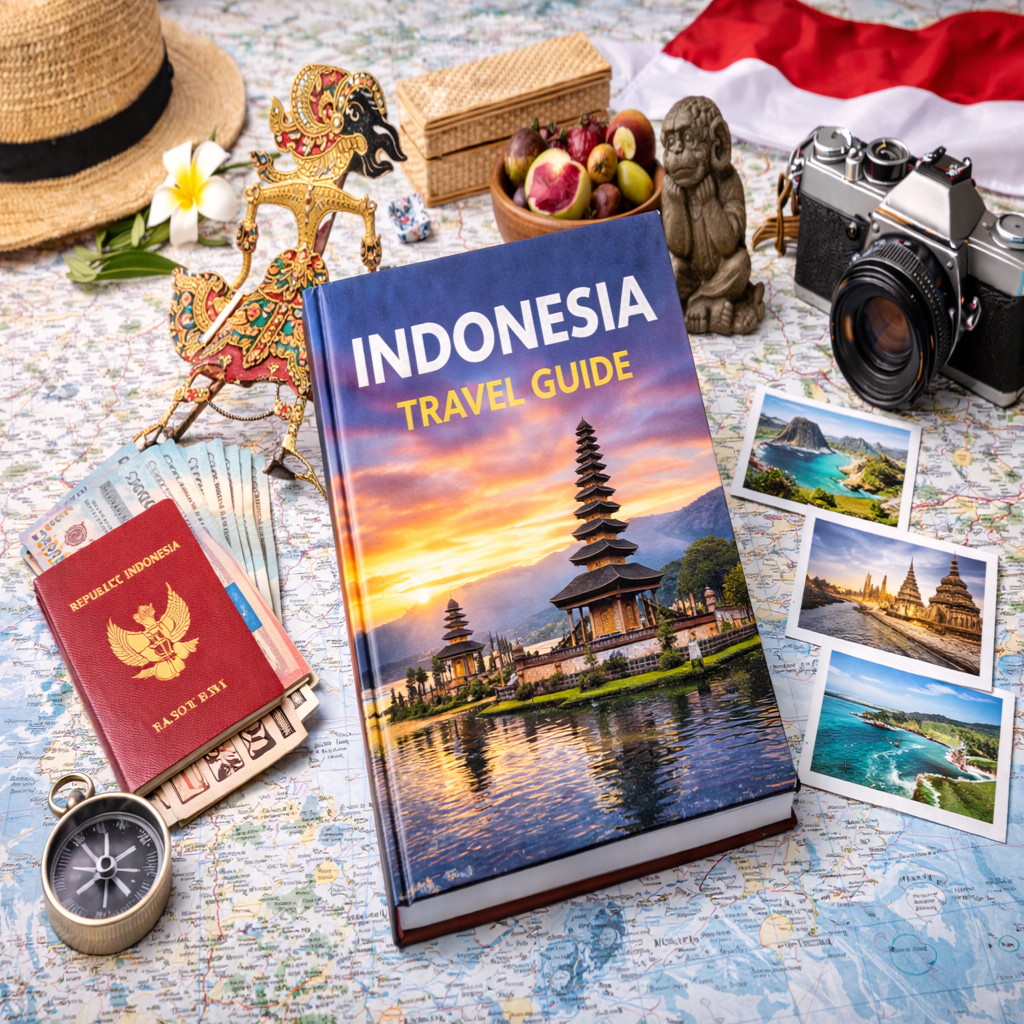
The first time I watched the sun rise over Borobudur’s ancient stupas, mist swirling through the jungle below while volcanoes emerged from the dawn haze, I understood why Indonesia defies simple description. This isn’t a country—it’s an entire world compressed into 17,000+ islands stretching across three time zones, where every island feels like a different nation with distinct culture, language, landscapes, and traditions.
Over four extended trips spanning more than 14 months across Indonesia, I’ve discovered a country of staggering diversity. From Bali’s rice terraces and spiritual energy to Komodo’s prehistoric dragons, from Java’s volcanic landscapes to Raja Ampat’s underwater paradise, from orangutans in Sumatra to traditional villages in Sulawesi, Indonesia delivers experiences that range from backpacker staples to genuine off-the-beaten-path adventure.
This comprehensive guide distills years of Indonesian exploration into practical advice for planning your perfect journey—whether you’re a first-timer focused on Bali and the highlights or an adventurer ready to explore Indonesia’s vast, incredible lesser-known islands.
When to Visit Indonesia: Timing Your Trip
Dry Season (April-October): Peak Travel
Indonesia’s dry season brings minimal rain, calm seas, best diving visibility, comfortable temperatures (27-32°C/80-90°F), and peak tourist numbers especially July-August.
Pros: Reliable weather, best diving and snorkeling, calm seas for boat travel, all islands accessible, perfect beach conditions, hiking weather excellent.
Cons: High season prices (especially July-August), crowded beaches and attractions in Bali, advance booking essential, some areas extremely busy.
Wet Season (November-March): Green and Quiet
Monsoon brings afternoon rain, lush green landscapes, rough seas affecting some islands, lowest prices, smallest crowds, but weather unpredictability.
Pros: Lowest prices for accommodation and tours, smallest crowds, green landscapes and waterfalls at peak, authentic local experiences, morning weather often clear.
Cons: Afternoon/evening rain most days, rough seas limit some island access, diving visibility reduced, flooding possible, humidity very high, some remote areas inaccessible.
Shoulder seasons (April-May, September-October): Best balance—good weather, moderate prices, manageable crowds, excellent time to visit.
Regional variations: Indonesia spans massive area with microclimates. Bali follows typical pattern. Eastern Indonesia (Nusa Tenggara, Maluku) drier June-September. Raja Ampat best October-April. Sumatra rainier year-round. Java fairly consistent. Check specific region weather patterns.
Festival timing: Nyepi (Balinese New Year, March/April)—silent day, everything closes including airport, fascinating cultural experience but plan around it. Ramadan (dates vary, lunar calendar) affects Muslim-majority islands—reduced restaurant hours, some closures.
Essential Destinations Decoded
Bali (5-10 Days)
Bali is Indonesia’s tourist hub, overdeveloped in parts but genuinely beautiful and culturally rich in others. Choose your area carefully—Bali contains multiple personalities.
Ubud: Cultural Heart (3-4 Days)
Rice terraces (Tegalalang most famous, increasingly touristy, entrance fees), Sacred Monkey Forest (entertaining monkeys, aggressive at times, secure belongings), art galleries and museums, traditional dance performances (nightly at various venues), Campuhan Ridge Walk (beautiful morning hike), waterfalls nearby (Tegenungan accessible).
Yoga and wellness: Countless studios, retreats, healing centers, vegan cafés, meditation courses—Ubud is global wellness destination. Expensive by Indonesian standards.
Surrounding temples: Tirta Empul (holy spring water temple, purification baths), Goa Gajah (Elephant Cave), Gunung Kawi (ancient rock-cut shrines), Pura Besakih (Mother Temple on Mount Agung slopes, tour guide pressure intense).
Seminyak/Canggu: Beach and Surf (2-3 Days)
Developed beach areas—upscale resorts, beach clubs, international restaurants, surfing (Canggu especially), sunset drinks, Instagram culture strong. Expensive, traffic terrible, but good infrastructure and variety.
Uluwatu: Cliffs and Temples (1-2 Days)
Dramatic clifftop temple (sunset kecak fire dance, monkey thieves), world-class surf breaks, beautiful beaches accessed by steep stairs, upscale resorts, Single Fin bar famous sunset spot.
Amed and East Coast: Diving and Quiet (2-3 Days)
Black sand beaches, excellent diving/snorkeling (USAT Liberty shipwreck in Tulamben, coral gardens), Mount Agung views, relaxed atmosphere, budget-friendly, good escape from tourist Bali.
Nusa Islands (Nusa Penida, Lembongan, Ceningan): Day Trips or Overnights
Nusa Penida: dramatic coastline (Kelingking Beach/T-Rex cliff, Angel’s Billabong, Broken Beach), manta ray snorkeling, increasingly developed, rough roads, day trips from Bali possible but rushed.
Nusa Lembongan/Ceningan: smaller, more developed, good snorkeling, seaweed farming, bridge connects islands, mangroves, laid-back.
Practical Bali: Rent scooter (most common, traffic chaotic, dangerous, many accidents), hire driver for day trips (very affordable, stress-free), stay in one or two areas rather than moving constantly, avoid Kuta (overdeveloped, trashy), prices higher than rest of Indonesia, dress modestly at temples (sarongs often provided or rented), crowds worst July-August.
Java: Heart of Indonesia (5-10 Days)
Java holds Indonesia’s capital, major cities, most population, incredible temples, and active volcanoes—culturally and historically Indonesia’s core.
Yogyakarta: Cultural Capital (3-5 Days)
Borobudur: World’s largest Buddhist temple, 9th century, UNESCO site, stunning sunrise (expensive sunrise tickets 500,000+ rupiah, worth it for fewer crowds and magic hour), intricate stone carvings, multiple levels representing Buddhist cosmology. Allow half day. 45km from Yogya.
Prambanan: Hindu temple complex, 9th century, dramatic pointed temples, detailed reliefs depicting Ramayana, sunset beautiful, 17km from Yogya. Combined Borobudur-Prambanan day possible but rushed.
City attractions: Kraton (Sultan’s Palace, living palace with residents), Water Castle (Taman Sari), Malioboro Street (shopping, street food, chaos), traditional arts (batik workshops, silver-making, wayang puppet shows).
Mount Merapi: Active volcano, sunrise trekking tours, Jeep tours to lava viewing points, 2010 eruption museum, adventurous but regulated for safety.
Mount Bromo and Ijen: Volcanic Icons (3-4 Days)
Mount Bromo: Iconic sunrise viewpoint over volcanic landscape, sea of sand, active crater emitting smoke, surreal lunar scenery, crowded sunrise (arrive very early), accessible from Probolinggo or Malang. Jeep tours standard, some hike.
Mount Ijen: Blue fire phenomenon (sulfur burns blue at night—4am start essential to see), sulfur miners carrying heavy loads, turquoise crater lake, physically demanding hike, sulfur fumes intense (mask essential). Accessible from Banyuwangi (ferry port to Bali).
Combined tours: Bromo-Ijen often combined in 3-4 day tours from Yogya or Bali, involves long drives but efficient for limited time.
Jakarta: Megacity (1-2 Days)
Indonesia’s capital—chaotic, polluted, traffic nightmare, but vibrant with excellent food, museums (National Museum, Kota Tua old town), shopping, nightlife. Most travelers skip or pass through briefly. Useful for international flights and transport hub.
Lombok and Gili Islands (4-7 Days)
Lombok is Bali’s less-developed neighbor—more conservative (Muslim majority), beautiful beaches, Mount Rinjani trekking.
Mount Rinjani: Indonesia’s second-highest volcano, 2-4 day treks to crater rim or summit, stunning crater lake, challenging but rewarding, requires guide, best April-December.
Gili Islands: Three small islands off Lombok’s northwest coast, no motorized vehicles (bicycles and cidomo horse carts only), distinct personalities:
Gili Trawangan (Gili T): Party island, backpacker central, beach bars, sunset parties, diving schools, developed but fun, snorkeling with sea turtles.
Gili Meno: Quietest island, romantic, honeymoon destination, minimal development, peaceful beaches.
Gili Air: Middle ground—some nightlife but more chill than Gili T, best of both worlds.
Practical Gilis: Fast boats from Bali (2 hours), public ferries cheaper but slower, beautiful but crowded peak season, snorkeling excellent around all three, diving schools abundant and cheap, potential for island-hopping between the three.
Komodo National Park (3-4 Days)
UNESCO site protecting Komodo dragons—world’s largest lizards, prehistoric, up to 3 meters long, dangerous.
Dragon encounters: Guided tours on Komodo and Rinca islands—rangers accompany (safety requirement), dragons in wild habitat, dry savanna landscape, impressive creatures but tours controlled and somewhat predictable.
Beyond dragons: Incredible diving and snorkeling (strong currents, experienced divers only), Pink Beach (pink-tinged sand from red coral), Padar Island (famous viewpoint hike with bays on both sides), manta ray snorkeling at Manta Point.
Practical visit: Based in Labuan Bajo (Flores), ranging from day trips to multi-day liveaboards, boat tours varying quality and price (research carefully, scams exist), best diving April-December, expensive by Indonesian standards.
Nusa Tenggara: Island Hopping East (7-14+ Days)
Island chain stretching east from Lombok—Sumbawa, Flores, Sumba, Timor—diverse cultures, landscapes, limited tourist infrastructure, adventurous travel.
Flores: Mountainous island, Kelimutu (tri-colored crater lakes, stunning sunrise), traditional villages (Bena, Wae Rebo trekking village), starting point for Komodo, rich culture, Catholic majority (unique in Indonesia).
Sumba: Known for traditional villages with distinctive peaked-roof houses, excellent surfing, pristine beaches, animist traditions alongside Christianity, off-beaten-path, developing tourism.
Practical considerations: Island hopping requires time—ferries slow and infrequent, flights expensive, roads rough, accommodation basic outside main towns, English limited, rewarding for adventurous travelers comfortable with basic conditions.
Sulawesi: Shaped Island (7-14 Days)
Uniquely-shaped island (looks like orchid or hand), incredibly diverse geography, cultures, and wildlife.
Tana Toraja (South Sulawesi): Highland region, elaborate funeral ceremonies (expensive, multi-day affairs with buffalo sacrifices), traditional tongkonan houses with curved roofs, hanging graves and tau tau effigies, fascinating culture, best visited during funeral season (July-August), requires several days, based in Rantepao.
Bunaken Marine Park (North Sulawesi): World-class diving and snorkeling, incredible coral walls, marine biodiversity, accessible from Manado, clear waters, less crowded than other Indonesian dive sites.
Togean Islands (Central Sulawesi): Remote islands, pristine beaches, excellent budget diving, jellyfish lake, minimal development, difficult to reach (long boat rides), true off-grid paradise.
Wildlife: Tarsiers (tiny primates with huge eyes, see in Tangkoko Reserve), endemic species, bird-watching.
Sumatra: Wild and Rugged (7-14 Days)
Indonesia’s largest western island—wild jungles, active volcanoes, orangutans, traditional cultures, adventurous travel.
Bukit Lawang: Orangutan trekking in Gunung Leuser National Park, jungle guesthouse stays, tubing down river, developed but still authentic, 2-3 day jungle treks available, best place to see wild orangutans.
Lake Toba: Massive volcanic crater lake, Samosir Island in center, Batak culture, laid-back atmosphere, beautiful scenery, good for relaxing, accessible from Medan.
Mentawai Islands: Surf paradise, remote islands off west coast, world-class waves, boat trips or surf camps, expensive compared to rest of Indonesia.
Practical Sumatra: Large island requiring time, infrastructure less developed than Java/Bali, roads rough in places, adventurous travel, rewarding for those willing to handle logistics.
Raja Ampat: Underwater Paradise (7-10+ Days)
Remote islands in West Papua, considered world’s best marine biodiversity—pristine coral reefs, manta rays, sharks, countless fish species.
Diving/snorkeling: World-class sites, expensive by Indonesian standards (marine park fees, remote logistics), liveaboards or island-based resorts, best October-April, serious divers’ dream destination.
Logistics: Expensive and time-consuming to reach (fly to Sorong, then boat transfers), accommodation ranges from budget homestays to luxury resorts, trips require planning and budget, worth it for marine life enthusiasts.
Indonesian Food Culture
Essential dishes:
Nasi Goreng: Fried rice with egg, vegetables, meat/shrimp, sweet soy sauce (kecap manis)—national dish, available everywhere, breakfast to dinner.
Mie Goreng: Fried noodles, similar seasonings to nasi goreng, equally ubiquitous.
Satay (Sate): Grilled meat skewers with peanut sauce, variations nationwide, cheap and delicious street food.
Gado-Gado: Vegetable salad with peanut sauce, boiled egg, tofu, tempeh—vegetarian-friendly.
Rendang: Slow-cooked meat in coconut and spice sauce, Sumatran specialty, intensely flavorful, often called world’s best dish.
Nasi Campur: Mixed rice with various side dishes, good for trying multiple items, varies by region.
Bakso: Meatball soup, Indonesian comfort food, street carts everywhere.
Soto: Aromatic soup, regional variations (Soto Ayam chicken soup popular).
Martabak: Sweet or savory stuffed pancake—sweet version dessert with chocolate/cheese/nuts, savory with egg and meat.
Regional specialties: Bali (babi guling roasted pig, lawar mixed vegetables with meat), Java (gudeg jackfruit stew, rawon black beef soup), Sumatra (rendang, Padang food), Sulawesi (Torajan coffee, various meats), Papua (sago-based dishes).
Dining culture: Warungs (small family restaurants) serve cheap authentic food, street food safe from busy vendors, “nasi campur” good for pointing at dishes if communication difficult, sambal (chili paste) served with most meals—levels vary wildly in spice.
Vegetarian challenges: Indonesia not vegetarian-friendly outside Bali/Ubud—meat/fish/shrimp paste in many vegetable dishes. “Saya vegetarian” (I’m vegetarian) plus “tidak pake daging, ayam, ikan” (no meat, chicken, fish) helpful. Tempeh and tofu common protein sources.
Food safety: Drink bottled water only, avoid tap water and ice outside tourist areas, eat from busy vendors, fruit you peel yourself is safe, stomach adjustment period normal.
Coffee culture: Indonesia produces excellent coffee (Sumatran, Torajan, Balinese), kopi tubruk (traditional coffee with grounds in cup), kopi luwak (civet coffee—controversial, expensive, often fake, skip it).
Practical Indonesia Travel Essentials
Transportation:
Flights: Garuda Indonesia (national carrier), Lion Air, Citilink, AirAsia budget carriers—domestic flights essential for island hopping, book through airline sites or travel agents, check baggage allowances (often limited on budget airlines), delays common.
Ferries: PELNI operates passenger ships connecting islands (cheap, slow, basic, adventurous), fast ferries between nearby islands (Bali-Lombok, Bali-Gili), schedules can be unreliable, rough seas during monsoon.
Buses: Connect cities on major islands, range from basic to luxury VIP with reclining seats, night buses save accommodation, book through accommodations or terminals, traffic can be horrendous (Jakarta-Bandung, Bali).
Bemos and Angkots: Local minibuses, very cheap, crowded, irregular schedules, difficult for tourists (limited English, confusing routes), authentic local transport experience.
Ojeks: Motorbike taxis—download Gojek or Grab apps (Indonesian Uber), cheap and efficient for short distances, regular ojeks negotiate price at transport hubs.
Boats: Essential for islands—ranging from basic public boats to private speedboats to liveaboards, safety standards vary (check life jackets, avoid overloaded boats), rough seas during monsoon.
Scooter rental: Very popular and cheap (50,000-75,000 rupiah/day), dangerous (many accidents, hospital bills expensive), international license often not checked but legally required, bargain prices.
Money and Budgeting:
Currency: Indonesian Rupiah (IDR). Approximately 15,000 IDR = $1 USD (rates fluctuate). Large denominations common (100,000 notes).
Daily costs by tier:
- Budget: 200,000-400,000 IDR/day ($13-27) – hostels, local warungs, public transport, basic beaches
- Mid-range: 500,000-800,000 IDR/day ($33-53) – private rooms, mix of local and tourist restaurants, some tours, comfortable travel
- Comfortable: 1,000,000-2,000,000+ IDR/day ($65-130+) – nice hotels, quality dining, tours/guides, convenience
Bali significantly more expensive than Java, outer islands even cheaper.
ATMs: Available in cities and tourist areas, often run out of money in remote areas—withdraw large amounts when available, fees typical (around 50,000 IDR per withdrawal).
Cash society: Indonesia is cash-based—cards accepted in hotels, malls, tourist restaurants in Bali, but most transactions require rupiah. Carry cash, especially outside Bali.
Bargaining: Expected at markets, with transport drivers (ojeks, boats), some accommodations, tour prices. Not appropriate in warungs with posted prices, established shops, restaurants. Start 50% of asking price.
Visas:
Visa on arrival: Many nationalities get 30-day visa on arrival (500,000 IDR/~$33), extendable once for 30 days (immigration office, 500,000 IDR, bureaucratic process).
Visa-free entry: Some nationalities get 30-day visa-free entry (not extendable). Check current rules for your passport.
Overstay: Fines significant (1,000,000 IDR per day), can lead to deportation and ban. Track your dates carefully.
Understanding Indonesian Culture
Religion: Majority Muslim (85%), Bali predominantly Hindu, Christian areas (Papua, Flores, Toraja, parts of Sumatra and Sulawesi), Buddhist minority. Secularism varies dramatically—Bali liberal, Aceh conservative with Sharia law.
Modesty: Dress modestly outside beach areas—covered shoulders and knees, especially Java, Sumatra, religious sites. Bali more relaxed but still conservative compared to Western standards. Beachwear only at beach.
Ramadan: Muslim fasting month (dates shift yearly, lunar calendar)—restaurants close during day outside tourist areas, some attractions have reduced hours, festive evenings, respectful not to eat/drink publicly during fasting hours.
Language: Bahasa Indonesia official language (relatively easy to learn basics), hundreds of regional languages and dialects, English common in tourist areas (Bali, Gili Islands), limited elsewhere, learning basic Indonesian extremely helpful.
Essential Indonesian: “Selamat pagi/siang/malam” (good morning/afternoon/evening), “Terima kasih” (thank you), “Tolong” (please/help), “Ya/Tidak” (yes/no), “Berapa harga?” (how much?), “Maaf” (sorry/excuse me), “Saya tidak mengerti” (I don’t understand).
Social customs: Remove shoes entering homes and some shops/temples, left hand considered unclean (use right hand for eating, giving/receiving), public displays of affection inappropriate, modest behavior respected.
Balinese Hinduism: Unique to Bali—daily offerings (canang sari small baskets everywhere, don’t step on them), ceremony-focused (frequent temple festivals), dress codes at temples (sarong and sash required, often rented at entrance), women menstruating not permitted in temples.
Sample Indonesia Itineraries
Bali and Beyond (10-14 Days)
Days 1-4: Ubud – Rice terraces, temples, culture, yoga Days 5-6: Sidemen or Amed – Quieter Bali, rice fields or divingDays 7-9: Gili Islands – Snorkeling, relaxation, island vibes Days 10-11: Nusa Penida – Dramatic cliffs, day trip or overnight Days 12-14: Seminyak or Uluwatu – Beach time, departure
Covers Bali highlights plus nearby islands without exhaustion.
Java and Bali Explorer (14-16 Days)
Days 1-3: Yogyakarta – Borobudur, Prambanan, city culture Days 4-6: Bromo and Ijen – Volcanic landscapes, blue fireDays 7-10: Bali (Ubud and beach) – Culture and relaxation Days 11-13: Nusa Lembongan or Gili Islands – Island timeDays 14-16: Bali departure – Final experiences
Combines Java’s temples and volcanoes with Bali beauty.
Eastern Indonesia Adventure (18-21 Days)
Days 1-3: Bali – Arrival, adjustment Days 4-6: Lombok and Gilis – Beaches, snorkeling Days 7-10: Komodo – Dragons, diving, Labuan Bajo base Days 11-14: Flores – Kelimutu, villages, culture Days 15-18: Sulawesi (Bunaken or Toraja) – Diving or culture Days 19-21: Return via Bali or Makassar
For adventurous travelers comfortable with basic conditions.
Sumatra Wildlife and Nature (12-14 Days)
Days 1-2: Medan arrival – Gateway city Days 3-5: Bukit Lawang – Orangutan trekking, jungle Days 6-9: Lake Toba – Crater lake, Batak culture, relaxation Days 10-12: Mentawai Islands (if surfer) or additional Lake Toba Days 13-14: Return via Medan
Focuses on Sumatra’s natural beauty and wildlife.
Essential Packing
Clothing: Light, breathable fabrics (cotton, linen), modest coverage (long pants/skirts, shirts covering shoulders), swimwear, sarong (multipurpose—beach cover, temple wear, towel), light rain jacket (wet season), flip-flops and sandals, one pair closed shoes for hiking.
Sun and rain protection: High SPF waterproof sunscreen, sunglasses, hat, umbrella or rain jacket (wet season essential).
Health items: Mosquito repellent (DEET), anti-diarrheal medication (stomach issues common initially), basic first aid, hand sanitizer, any prescription medications with extras.
Diving/snorkeling: If planning water activities—reef-safe sunscreen, underwater camera, rashguard (sun protection), own mask (rental quality varies).
Other essentials: Headlamp/flashlight (power outages, dark areas), day pack, waterproof phone case, adapter (Type C/F plugs), portable charger, toilet paper (not always available), quick-dry towel.
Making Indonesia Unforgettable
Indonesia rewards patience, flexibility, and adventurous spirit. Transportation delays, communication challenges, and unexpected situations are inevitable—embrace them as part of the experience rather than fighting against them.
“Jam karet” (rubber time) reflects Indonesian approach to schedules—things happen when they happen, not necessarily when planned. Adjusting to this pace reduces stress immensely.
Learn basic Indonesian—even minimal effort dramatically improves interactions and opens opportunities. Indonesians are incredibly friendly when approached respectfully.
Balance tourist highlights with exploration. See Borobudur but also eat at local warungs where no English exists. Visit Bali but also venture to lesser-known islands. The famous sites are famous for reason, but Indonesia’s magic often appears in unexpected moments and places.
Respect cultural and religious diversity. Indonesia is secular nation with deeply religious population across multiple faiths. Modest dress, respectful behavior, and cultural awareness show appreciation for incredible access to different traditions.
Indonesia is too vast for one trip. Choose regions based on interests—culture and temples (Java and Bali), beaches and diving (Bali, Gilis, Komodo, Raja Ampat), wildlife (Sumatra, Sulawesi), adventure (Nusa Tenggara). Every area deserves proper time.
Your Indonesian journey awaits—prepare for incredible diversity, warm people, stunning natural beauty, cultural richness, logistical challenges, and experiences that will expand your understanding of what’s possible when thousands of distinct cultures coexist across an archipelago.
Selamat jalan! — Safe travels!
Which Indonesian destination calls to you most? Share your Indonesia questions, experiences, or travel tips in the comments to help fellow GlobeTrailGuide readers plan their Indonesian adventures!